What Adobe hands startups for a year
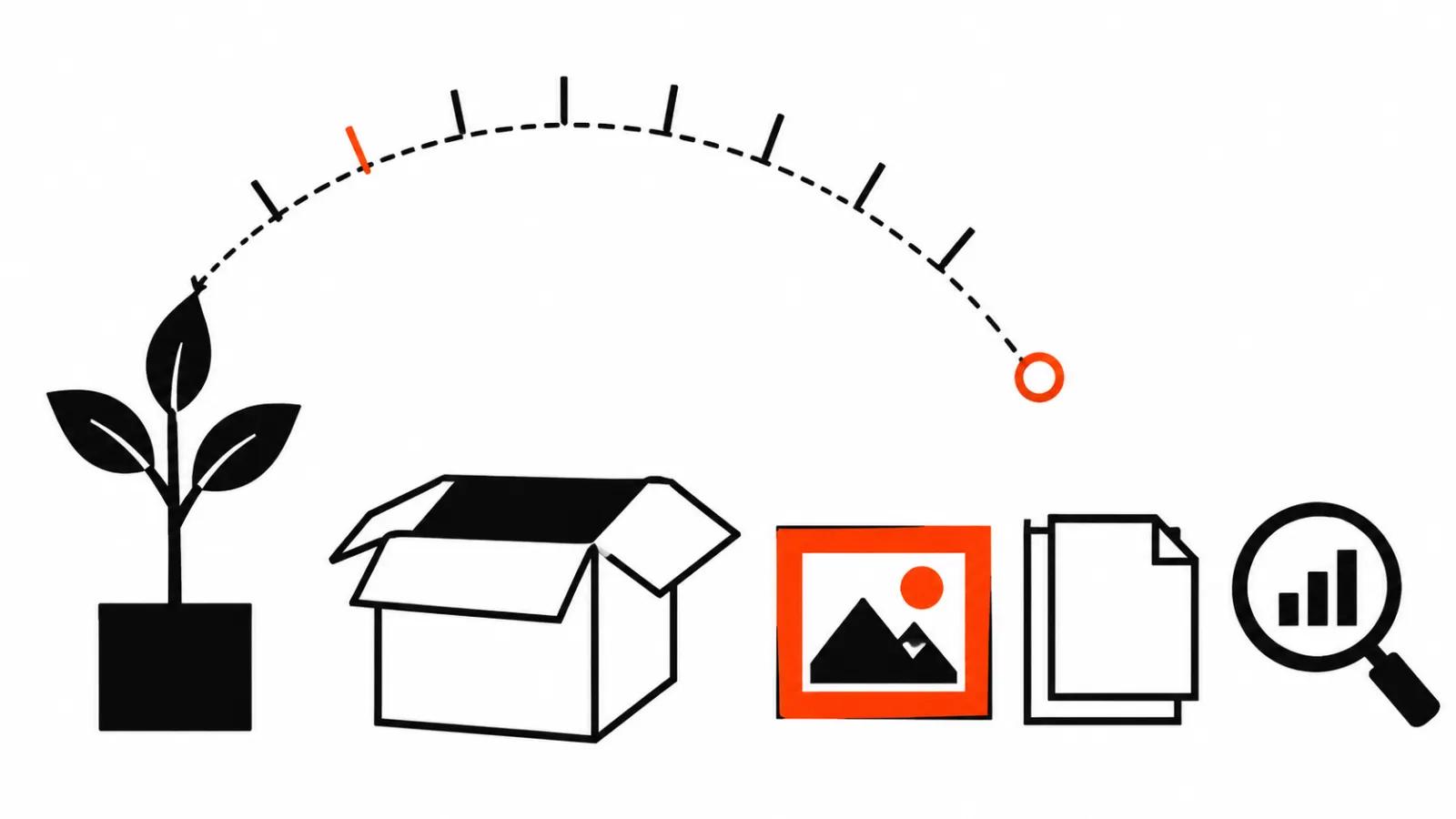
The announcement landed on November 2 in Adobe's corporate blog. The program is called Adobe for Startups and targets companies at an early stage. A qualifying startup gets twelve months of free access to three products: Adobe Firefly Pro Plus, Acrobat Studio together with Adobe Express Premium, and Semrush.
The list is short, and that is its strength. A young team does not need another bundle of ten services with trial weeks. Three separate holes get covered here: images and clips, documents with decks, search analytics.
Adobe Firefly video: what Pro Plus actually gives you
Adobe describes Firefly Pro Plus as a generative AI studio for images, video and sound. The subscription includes commercially safe models from Adobe and partner models, plus Photoshop on web and mobile.
The phrase commercially safe matters more than the model list. A startup producing ads for someone else's brand eventually gets asked about the rights behind a picture. A commercially safe model removes part of that risk, and with a first client that argument carries weight. Which partner models sit in the subscription is not spelled out in the announcement, so the set is worth checking inside the account.
Photoshop on web and on the phone covers touch-ups on a finished frame: remove an object, resize for vertical, fix exposure.
A free video model: what the year does not cover
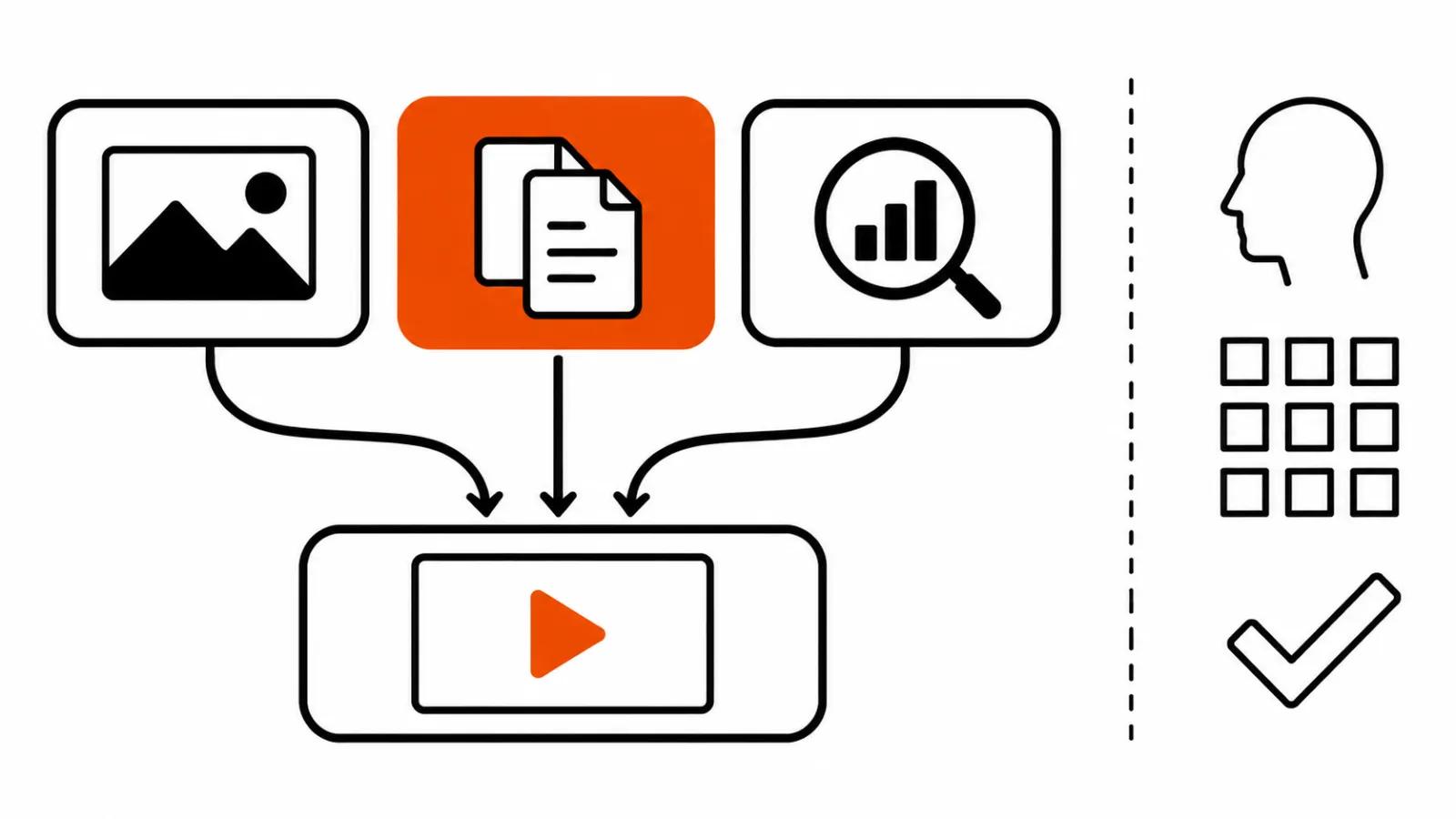
A free year saves money on a subscription, and that is the whole of it. A generator is available to everyone now: free queues, rivals with a similar model list, open weights on a local card. A clip that sells comes out of a script, taste and rhythm. None of the three arrives with a license key.
A typical early-team mistake. Access is granted, the first clip is cut in an evening, the second a month later, the third never. The channel stalls because nobody decided who owns the release, which calendar it follows, and what counts as a good result.
Who qualifies
Two requirements. The startup was founded no earlier than five years ago, meaning 2021 or later, and has raised less than $15 million. Adobe verifies compliance at application, and program terms, selection criteria and country limits apply on top.
One sentence on geography, since the source is explicit about country restrictions: availability is a separate check for each market, and applicants should confirm their country before planning around the bundle. The rest is settled by the program terms.
Acrobat Studio and Semrush in the same bundle
Acrobat Studio pulls PDF tools, the AI Assistant and Adobe Express into one package: document edits, decks, signatures. Express Premium adds templates for social posts and marketing material. For a startup that is a pitch deck, a proposal and a month of posts in a single window.
Semrush covers another part of the work: search analytics, including how a brand shows up in classic search and in AI search. The second half is the interesting one, since few teams measure how assistants mention their brand yet.
The calendar: a December 3 workshop and the Adobe MAX hub
Two events sit in the next few weeks. On December 3 there is a workshop called Brand on Demand with Artist and the Machine: a week of brand content produced live on Adobe's AI tools. From November 10 to 12 the Adobe for Startups hub runs at Adobe MAX in Miami.
Three participants are named in the announcement: DataCurve, Gondola and Oruk. They work on sports data, the creator economy and speech AI.
Adobe video creation: what to check before you apply
First, the country and the terms. The program runs with geographic limits, and that belongs in the check before the team migrates to a new tool.
Second, what you need from video. The generator in the bundle suits short shots, b-roll and inserts between slides. A two-minute piece with a story still gets built in the edit from a script.
Third, rights. For client work, read what the subscription allows and what stays with you after it ends. In a year the access closes and the material keeps running in ads.
Fourth, the budget for volume. One clip a month lives fine on a subscription. When dozens of vertical versions are needed, a template and a predictable price per unit matter more than the generator. That is where handcrafted videos from $190 earn their place, with a team running the script, staging and assembly. For a series of releases there is an AI YouTube channel from $200 per month, where script, voice and edit move as one process.
Fifth, look at the market. We collected the best AI video models of 2026 in a separate piece. If you are counting budget, the breakdown of cost per second will help.
My take: where the application actually pays off
For a startup with a pitch deck, a landing page and a first set of creatives, a free year covers nearly the whole visual block. The saving on subscriptions is real, the risk is close to zero, and a rejection costs nothing.
A company that needs a stream of clips gets a tool from the free year. The process still has to be built: script, calendar, an owner, a way to count results. In that list the subscription sits on the last line, which is the right order.