What Lionsgate Play actually announced
The story ran on November 24, 2026, written by Jesse Whittock as an exclusive.
Lionsgate Play announced its first original series with AI in the lead. The project is called Eklavya and its foundation is Indian mythology. The hero, Yug R.Ai, is an AI actor that CEO Rohit Jain introduced recently.
The plot takes an archer from the Mahabharata. In the company's own description, it tells the myth of a boy rejected by his guru who taught himself the bow through sheer will.
The status is concrete. Production is already running, the first season covers eight episodes, and the project is designed as the start of a franchise. The premiere comes next year on Tiger TV inside the Lionsgate Play app. The show ships in several Indian and international languages.
Why a streamer goes for AI: mythology scale against budget
The company names the reason directly. Indian mythology is often too large for television budgets and has to be trimmed. The Lionsgate Play statement puts it in three words: AI changes that.
Behind that sits plain arithmetic. A scene with an army, a palace and gods cannot be shot on a broadcast slot budget, so a producer picks between simplification and generation. Generation moves the cost of error somewhere else, into reworks and into the work of artists holding a hero's likeness from shot to shot.
Deadline notes that the use of AI actors remains contested and that projects like this generate a lot of noise. That is worth keeping in view. A press release talks about capability, while the argument runs about the people the technology touches.
Who is behind the series
The director is Vibhu Puri, whose credits include the Netflix series Heeramandi and the Hindi-language film Gustaakh Ishq.
Production runs under a long-term production agreement between Lionsgate Play and Google, and Google's AI technology is what the project uses. The deal is described as long-term, which makes it a frame for several projects.
Jain describes the technology carefully. In his words, every technological leap opened doors for storytellers, yet technology on its own does not create magic on screen: stories do, and the people behind them. Every project in the AI slate is led by a strong creative team, from writers and artists to the director. Jain calls Eklavya the boldest statement of intent yet and Yug R.Ai only the beginning.
Puri talks about something else. Nobody taught Eklavya, so he made the bow his own. The director notes that he spent a career squeezing ambitious ideas into budgets and schedules, and here he finally had a canvas as large as the imagination, with every shot, emotion and character choice coming from the team.
Tiger TV: where the show will be seen
Jain bought a streamer in South and Southeast Asia earlier this year and launched the Tiger TV platform for Hindi and Punjabi content. Access runs through Lionsgate Play across Asia, while the US, UK, Canada, Australia and New Zealand get a standalone app.
What matters for a client here is the product type. The show lands on a platform built around seasons and episodes, with a schedule and a viewing order. That is a different contract with the audience than a feed of short clips.
An AI character across eight episodes
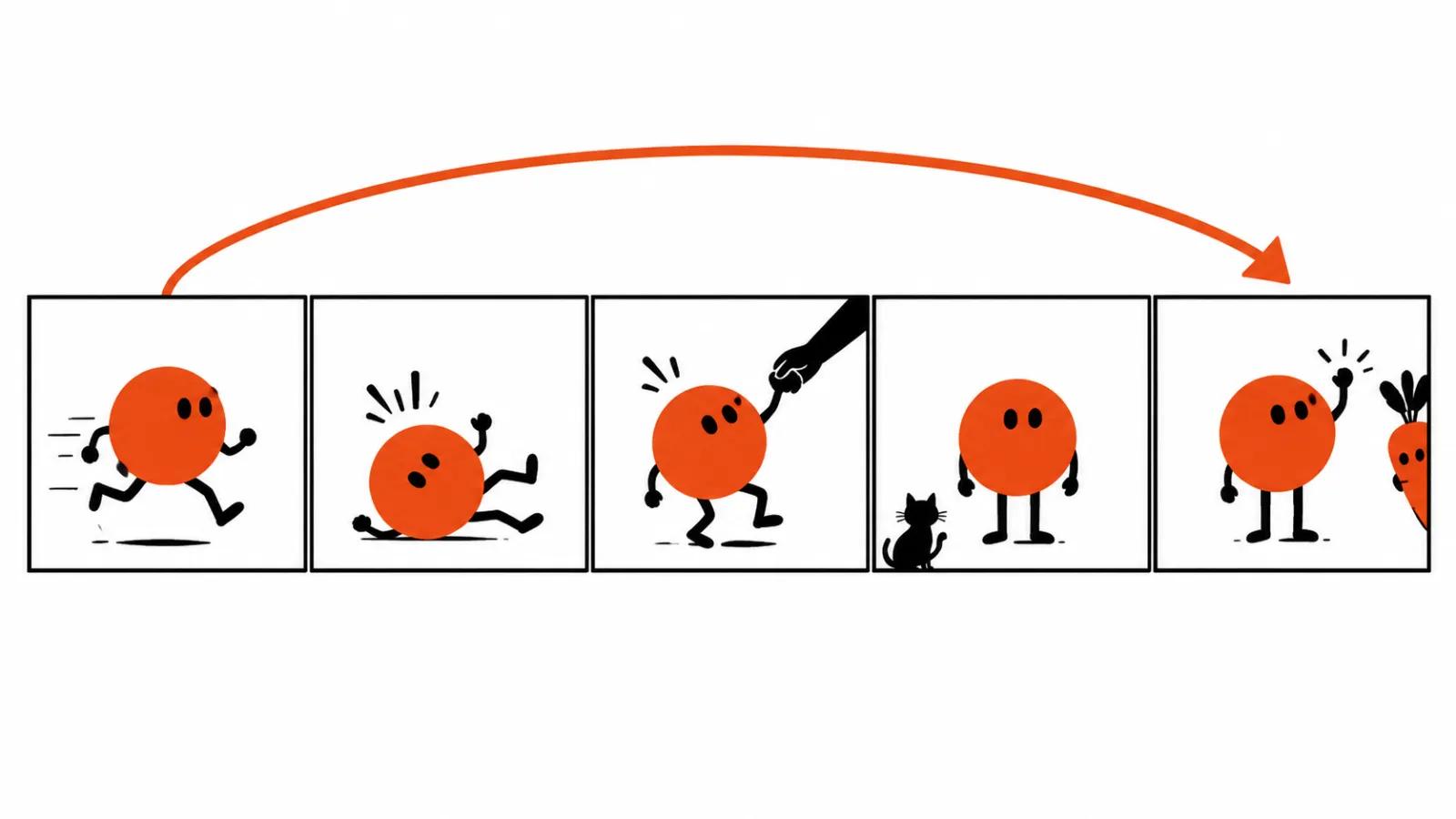
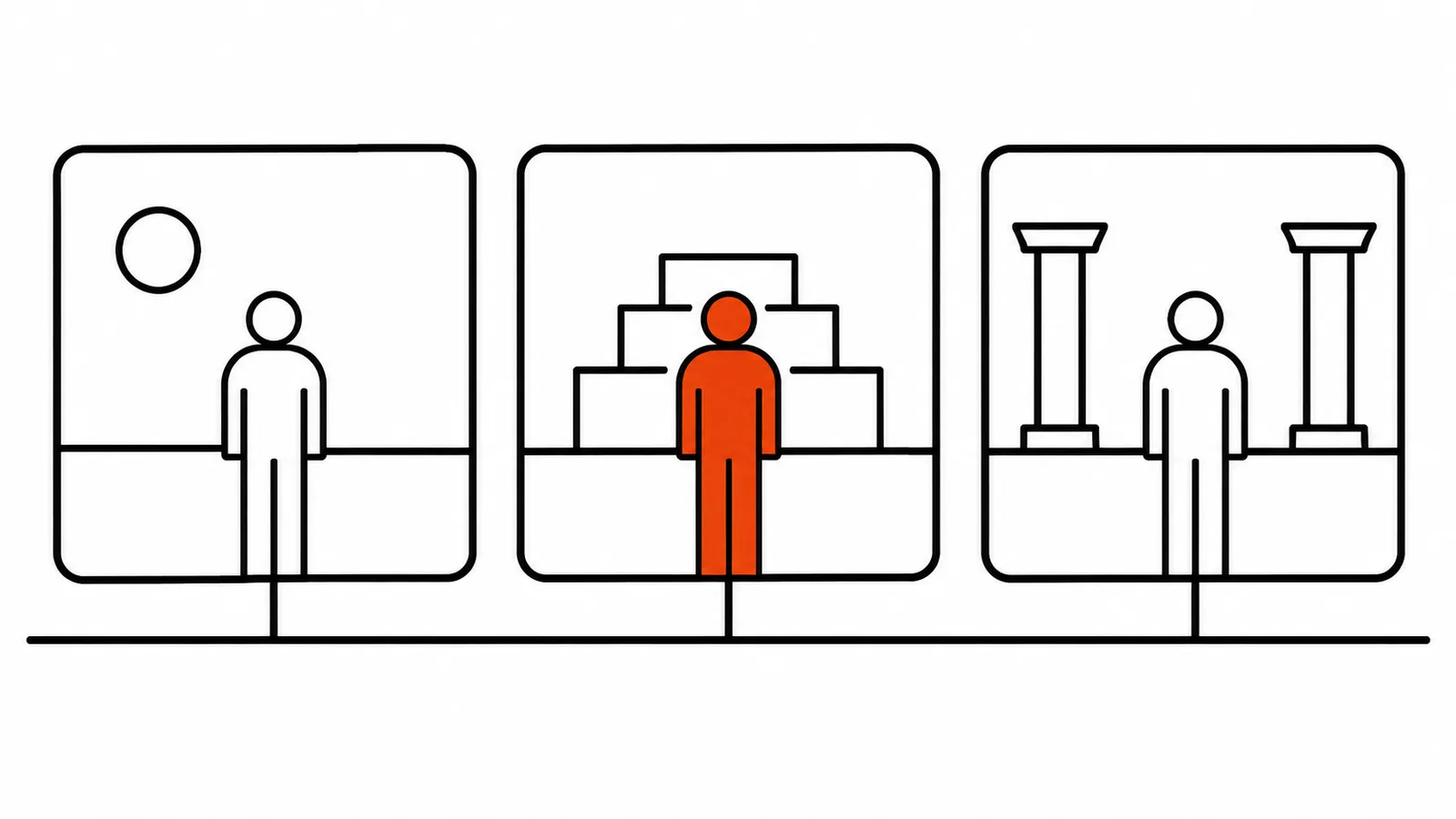
A commercial with an avatar solves one problem: a person on screen delivers lines. A series sets another. The same hero has to stay himself across scenes, costumes and angles, under different light, and the production has to hold that for the entire season.
Three things follow. The look gets locked before work starts: face, hair, costume, height, the way the hands move. One person carries the character, otherwise the face drifts between episodes at the edit. Lip sync and motion get tied to the voice, because an audience recognises a hero by timbre as much as by face.
The third point is volume. Eight episodes mean eight different scripts, and a duplicated script will not carry a season. Each episode splits into scenes, each scene into shots, and in every shot the hero appears in a new position. The more screen time the character has, the more places he can slip out of himself.
The basics of how a digital avatar gets built sit in a separate piece on AI avatar video. What follows here is the series layer on top of it.
How a series differs from a single avatar spot
The difference starts at episode two. In a thirty-second spot the avatar appears once, and a visible glitch gets fixed locally. In a series the same hero returns in a new scene, and the viewer compares him against memory of the previous episode.
Then the cost of error splits. A bad shot in a commercial costs one shot and one rework. In a series, changing the hero's look drags along every scene he already appears in.
Live situations need a different setup entirely. When a character has to answer an audience in the moment, that runs through a real-time talking avatar, which works on another principle, and a series pipeline will not do the job.
What this means if you want one character across several videos
The brief usually sounds like this: a brand wants its own hero, appearing in ten videos, speaking in the brand voice. Eklavya shows what that project looks like on a streamer's side, and the same questions arrive at a smaller business, only at a smaller scale.
First question: what locks the look. Reference sets, image packs, a separate character file, a written description. Second: who carries the character, one person or each freelancer in their own way. Third: what happens when the model that drew the face gets updated. Fourth: how many videos sit in the package and what counts as a new scene, because that is where the budget begins.
These questions get easier to answer at small volume. For three to five videos it makes sense to start with handcrafted AI videos from $190, where the scope is visible in the quote before work begins. When the character has to live in a regular channel, an AI YouTube channel from $200 per month puts the consistency question back on the table every month.
It also helps to watch how others handle invented characters. The AI character series that pulled millions of views is one reference point, and AI avatar production covers the lower bar most brand projects actually need, with the same principle of locking the look.
What to check in a contract when a character outlives one video
First: how the look is locked and what the client receives. A reference set, a character file, a description. If only finished video comes back, the next episode starts from zero.
Second: what happens when the tool updates. The model that drew the face changes, and the hero starts to look slightly different. The contract needs a line on rebuilding and on who pays for it.
Third: how many episodes sit in the quote and what an extra episode costs. The difference between eight and twelve gets settled at the start, before the first shot.
Fourth: who owns the script. In a series the story holds an audience between episodes, and a weak second episode erases a strong first one. Technology does not cover that part, and on the Lionsgate Play project it sits with the creative team Jain describes.