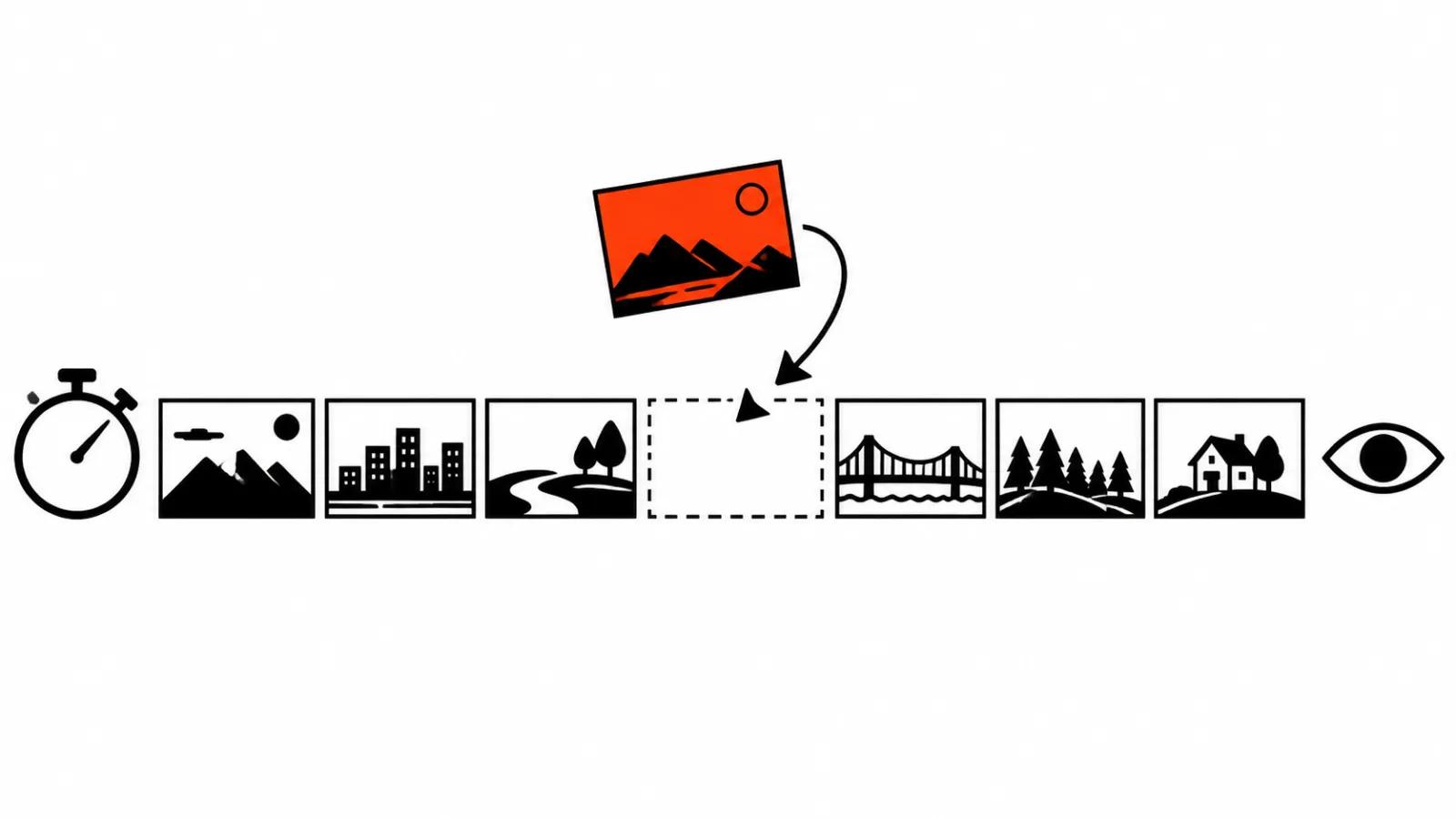
How a promo video script starts: count the limits first
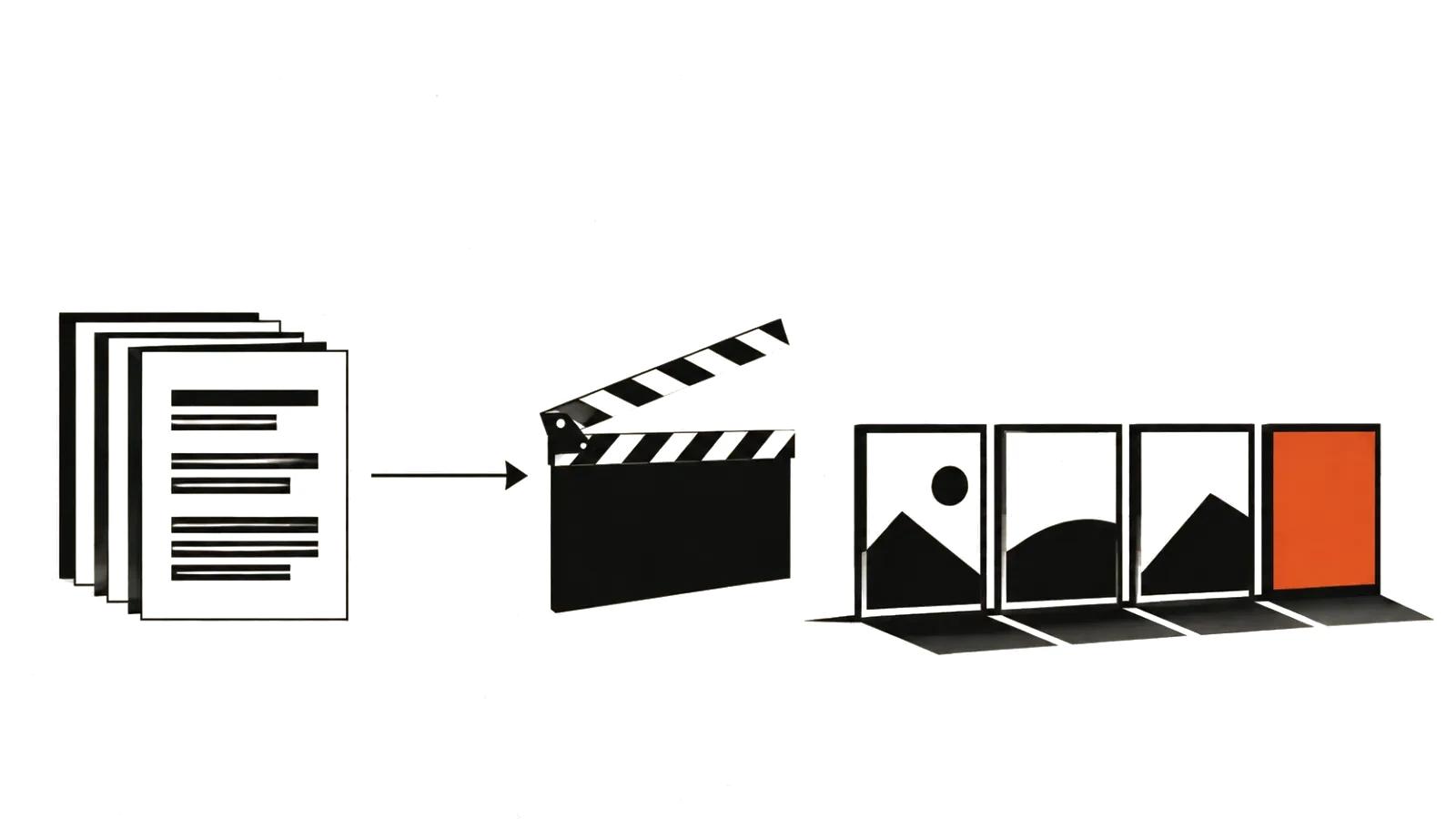
The script begins with the length limit of a single generation. Wan 3.0 returns up to 30 seconds per request at 480p-1080p, with audio rendered alongside the picture. The same request can take a document as reference: PDF, PPT, DOC and other formats. Alibaba's blog post of August 27, 2026 gives the example of a product deck turning into a launch video, which is the shortest route for a launch: the materials already exist and the model reads them.
Kling 4.0 is available through the Runway API: 3 to 30 seconds, 720p or 1080p, up to 10 frames and references combined, audio inside the generation. Shedevrum returns 4 seconds at a time, so thirty seconds there is built from seven or eight pieces.
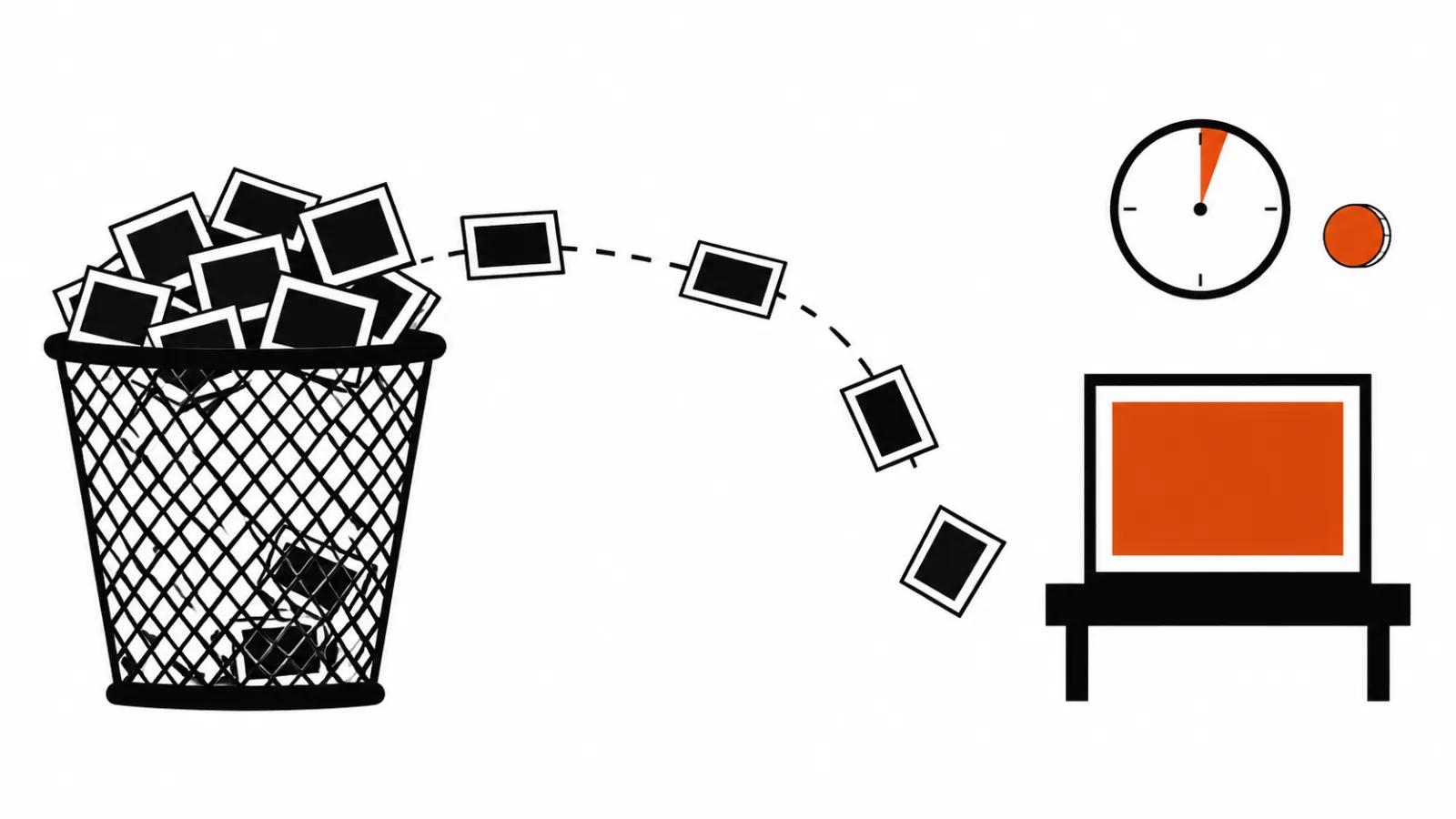
The conclusion is short. Thirty seconds fit into one Wan 3.0 request, and that is the trap: fixing one hand movement means rebuilding the whole scene. Seven shots of 3 to 5 seconds get replaced one at a time, and by the fourth attempt that saves an evening.
A promo video holds one idea
Before any storyboard, the script comes down to one sentence: what the viewer understands and what they do next. Check the second half first. If thirty seconds end without a clear next step, the rest does not matter.
The structure that fits 30 seconds: problem, product in use, proof, call to action. Each element gets at least one shot, and a short shot per element beats one long shot covering two.
The hook lives in the first 2 or 3 seconds. Concrete detail does the work: a queue at seven in the morning, steam over a cup, a hand reaching for a switch. A logo on a white background never hooks anyone, because the viewer scrolls on while the model draws an intro card.
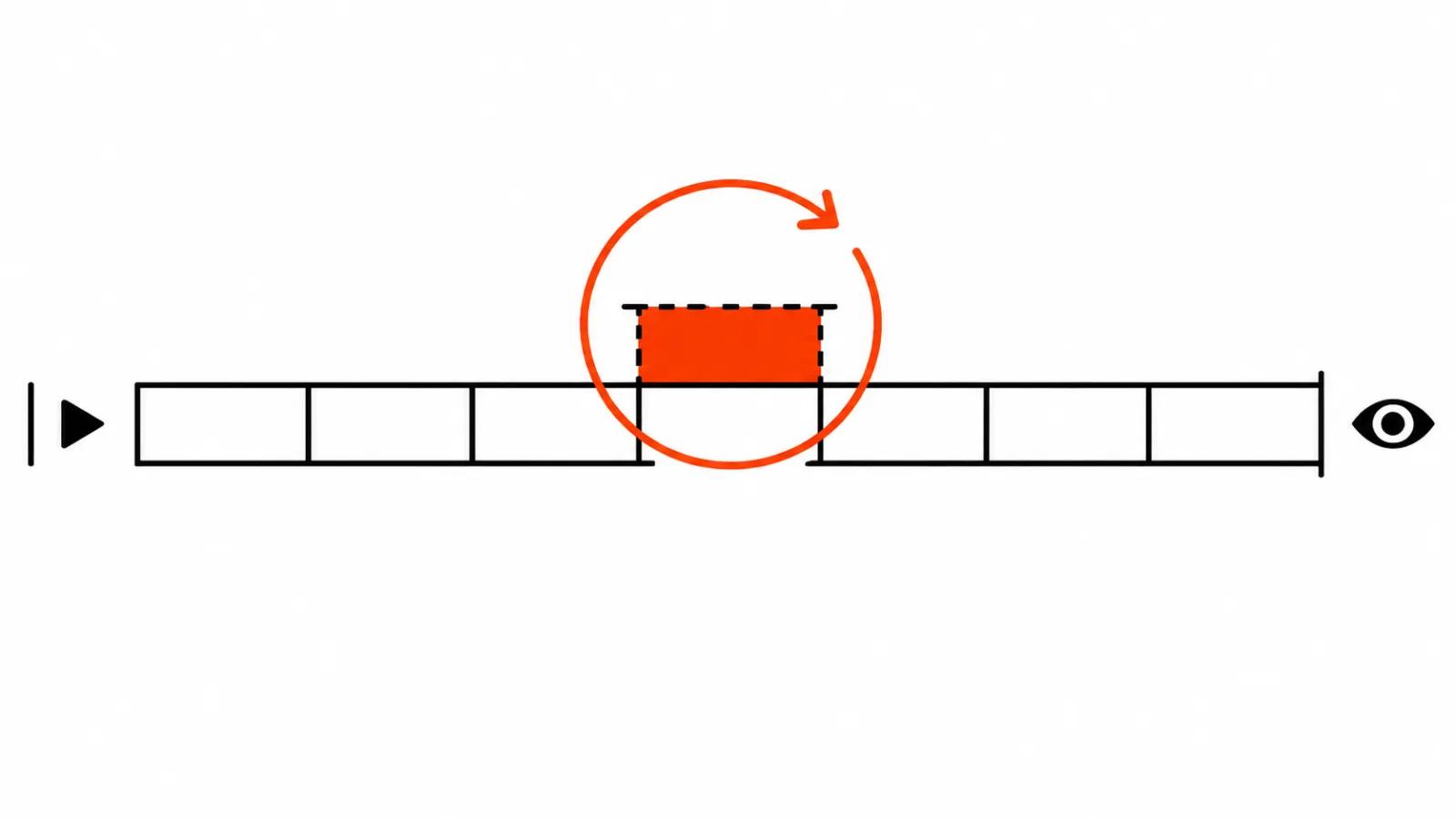
Generating the video: write a longer line than you would for a crew
A script for a film crew forgives gaps. "The barista smiles at a customer" becomes a real shot, because the operator can see the room. A model takes the words literally and adds what the line left out: a second hand, an extra cup, a stranger in the background.
So each shot names the framing, the light, what the hands hold, where the person looks, what the camera does. "Close-up, a cup on a wooden table, steam, soft morning light from a window on the left, camera pushing in slowly" gives a predictable result. "A beautiful coffee shot" gives a lottery.
My position: the script saves more re-rolls than a model upgrade. The gap between Wan 3.0 and Kling 4.0 over thirty seconds shows up in detail, while the gap between a seven-word line and a line with seven clarifications shows up in the number of attempts. That costs an hour at the desk and nothing else.
Too much detail hurts as well. Three actions in one line get stretched across the runtime, and none of them lands. One line, one action.
The shot table: 30 seconds for a coffee shop
Here is an invented promo for a corner coffee shop, seven shots, no brands. The columns are the ones the edit needs: number, duration, what is in frame, voiceover, on-screen text, sound.
That adds up to exactly 30 seconds. The table is filled in before generation, and from there every shot lives in its own prompt line.
| Shot | Duration | In frame | Voiceover | On screen | Sound |
|---|---|---|---|---|---|
| 1 | 3 s | Close-up: a hand sets down a cup, steam | Seven in the morning. The queue reaches the door. | 7:00 | Room noise |
| 2 | 5 s | Wide shot of the room, barista behind the counter | Every morning the same thing. | none | Murmur of voices |
| 3 | 4 s | Macro: beans dropping into the grinder | Until we changed the grind. | grind | Grinder rattle |
| 4 | 5 s | Barista hands over a cup, customer nods | New grind, same address. | none | Music comes in |
| 5 | 5 s | Window from the street, two people walk in | The queue is a minute shorter. | a minute | Music |
| 6 | 4 s | Close-up: latte art, cup on the table | Come by before nine. | before 9:00 | Music |
| 7 | 4 s | Door, sign, street | The coffee shop on the corner, as it was. | address | Music fades |
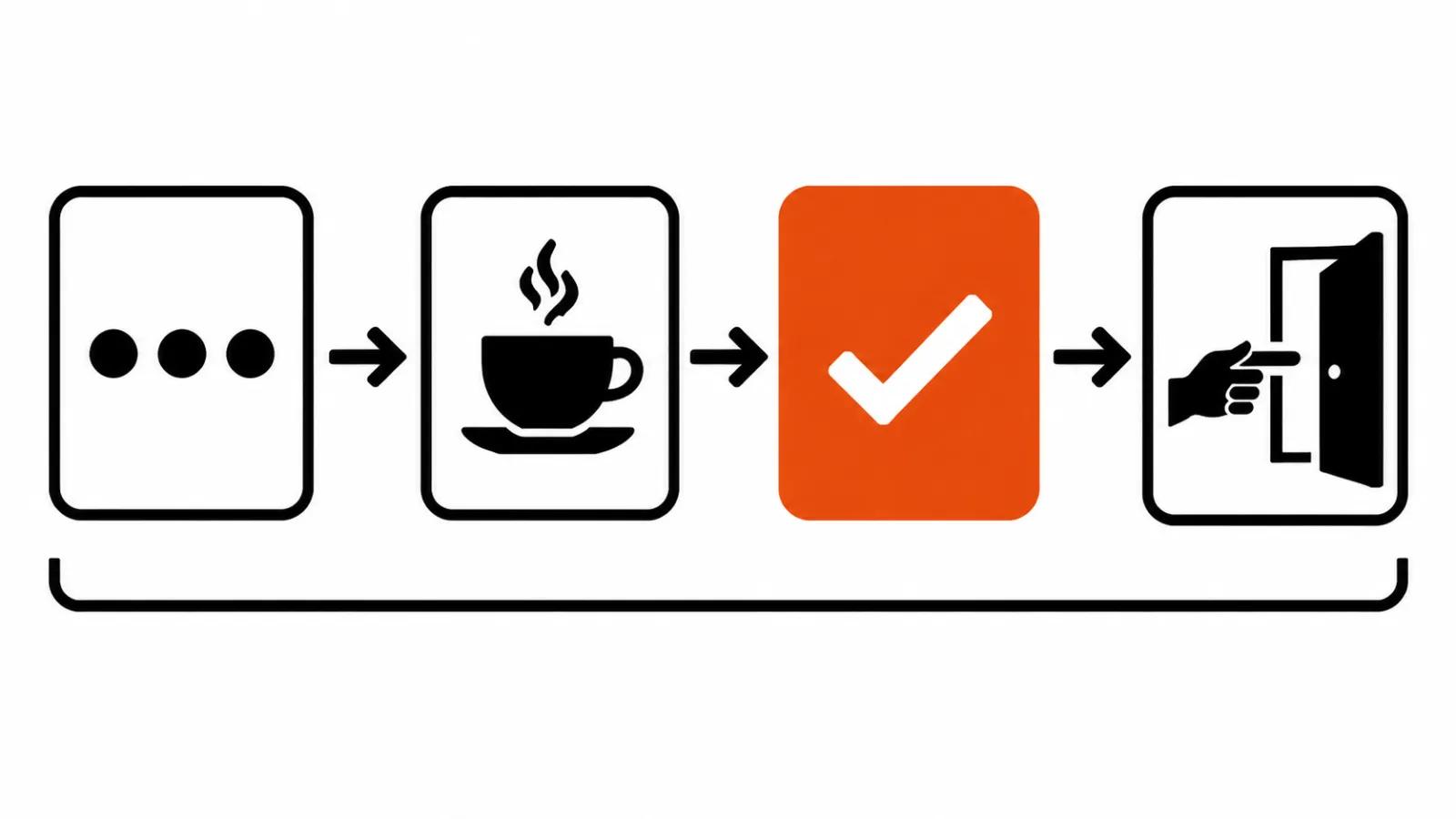
Shots of 3 to 5 seconds: re-roll them one by one
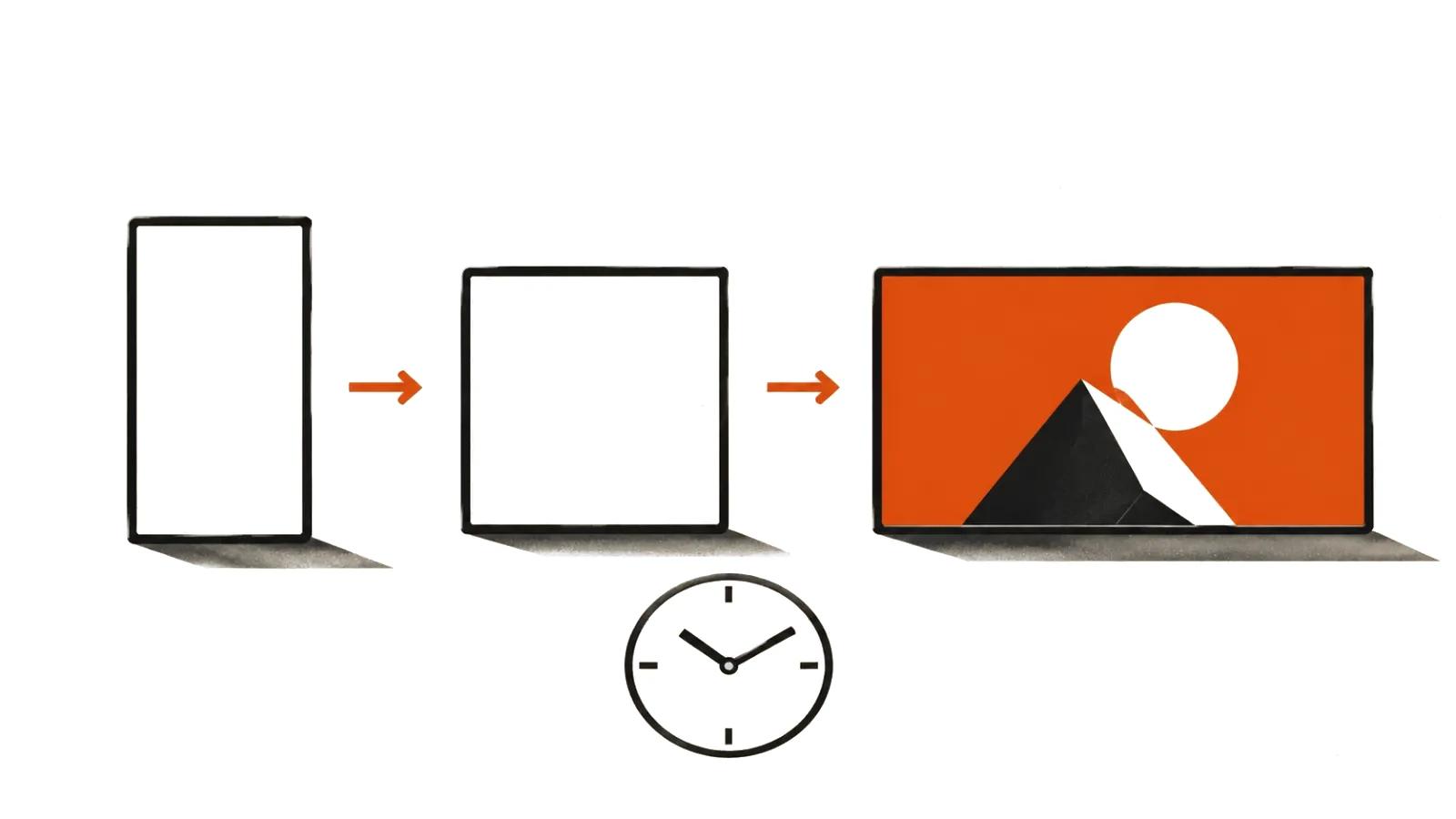
A long scene drifts: by the eighth second hands change shape, the cup changes colour, the light wanders. A shot of 3 to 5 seconds gets replaced on its own, and a bad take does not drag its neighbours down.
Splitting helps across models too. Four seconds of Shedevrum is enough for one shot. Thirty seconds of Wan 3.0 also make one shot, and that one shows the whole result at a glance.
The price of splitting is the join. One person across seven generations comes out as seven different people. A face reference fixes it where the model holds the face, and a frame without a face fixes it everywhere else: hands, a back, a silhouette in a doorway.
Voiceover out loud, and what goes on top
Read the voiceover out loud with a stopwatch. That is the only check that works: the eye forgives a long line, the tongue does not. If thirty seconds of text will not fit, cut words and keep the pace.
On-screen text gets planned in its own column. Small lettering, a logo, a price, an address are all things the model does badly: letters swim, the logo turns into someone else's mark. Those go on top during the edit, in a font, at the moment the eye has time to read them.
Sound gets decided in the same pass. Wan 3.0 and Kling 4.0 deliver audio with the picture, and that is enough for a room or a street. Music and a narrator's voice are easier to add in the edit, where they can be fixed apart from the picture.
What the script buys you: fewer attempts
Thirty seconds with a shot table comes together in an evening. Without one, the same thirty seconds stretch across many evenings and end in a compromise: one good shot, the rest tolerable.
We build a promo video for a launch from the table: one idea first, then shots of 3 to 5 seconds, then one generation per shot. The same order holds an AI commercial across several weeks, where only the shots change. When the frame needs a real person with real intonation, handcrafted AI videos start from $190, which is cheaper than an endless hunt for a face inside a generation.
If you want the format explained first, we have a piece on how a promo video slides into a sales deck and what separates it from a fifteen-second cut, plus a guide to AI video from a script, where text becomes a finished clip.