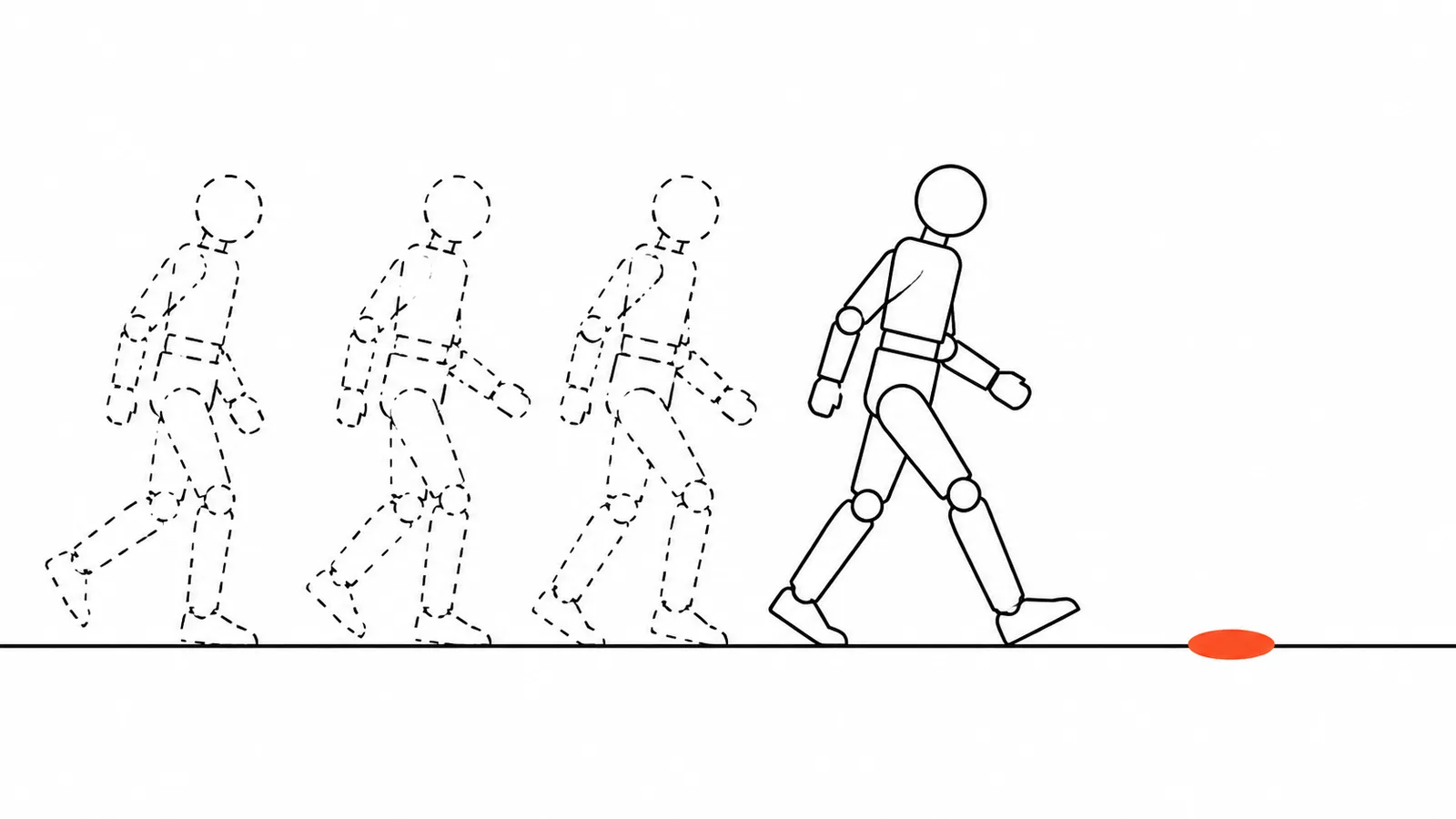
What NVIDIA shipped
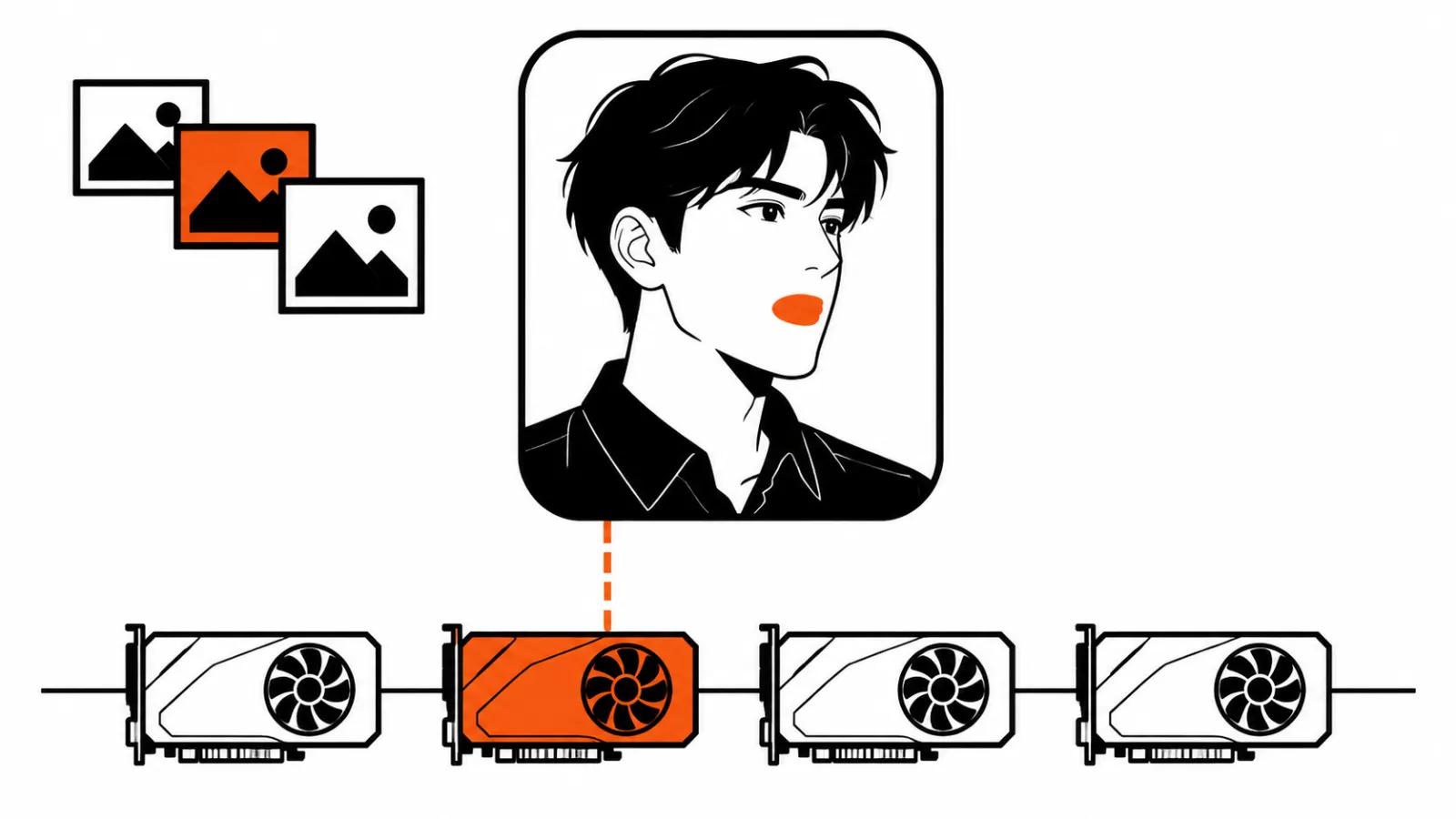
The project page describes MotionBricks as a large-scale generative framework for real-time motion. The work appeared in ACM Transactions on Graphics as a SIGGRAPH 2026 paper, the code and weights sit in NVIDIA's official repository, and the package is on Hugging Face. On November 19, per VP Land's write-up, a pretrain for SOMA characters was added to the set. The first release covered the Unitree G1 robot, so the list of bodies the model handles has grown.
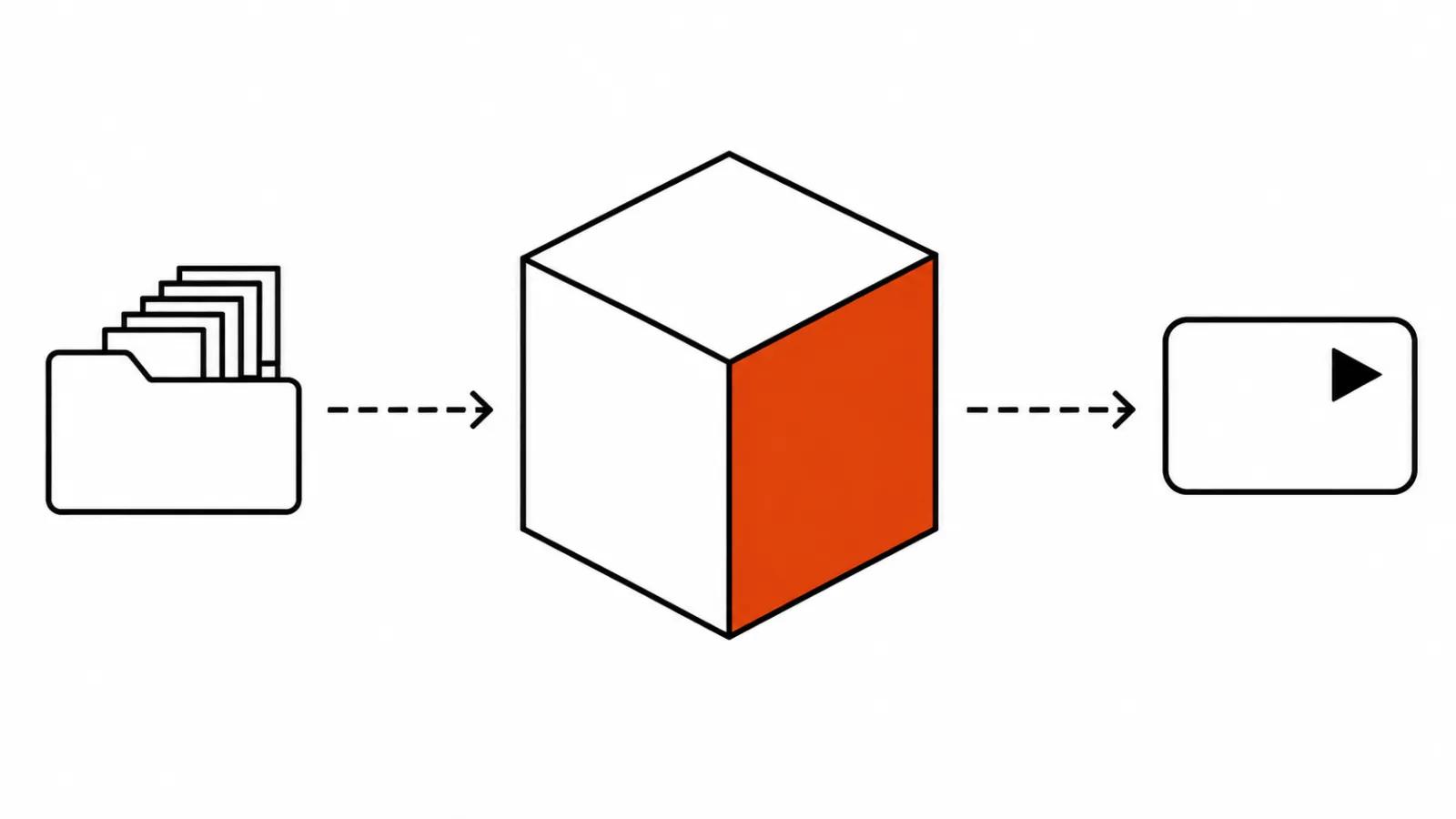
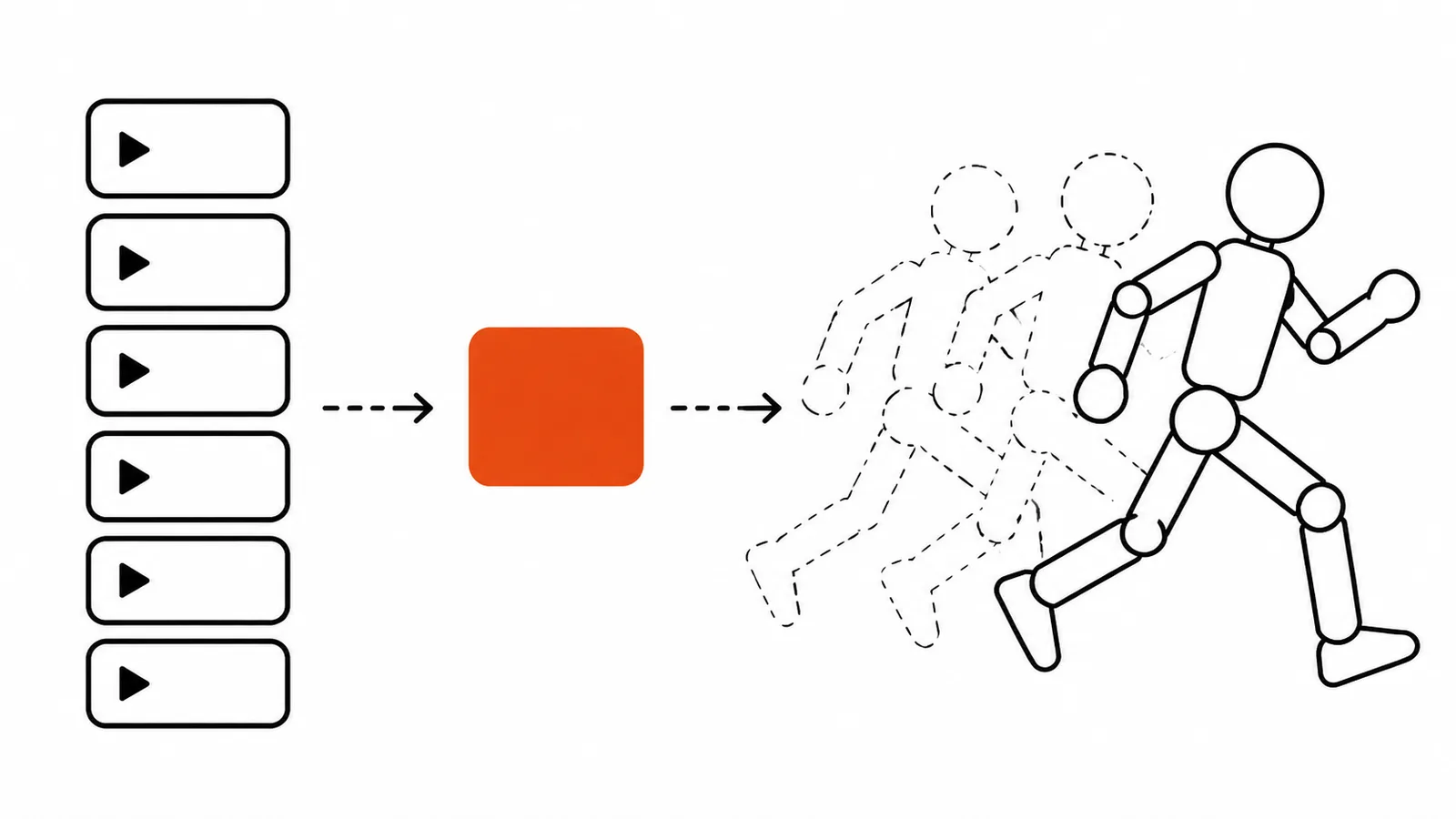
The headline numbers are these. 15,000 frames per second and 2 ms of latency, with more than 350,000 motion clips modeled by a single neural backbone. Backbone here means something plain: one network covers the whole motion library instead of a separate network per kind of step.
Control runs through smart primitives. Navigation takes a velocity, a heading and a style, while object interaction takes proxy keyframes. The backbone fills in the approach, the contact and everything else the prompt leaves out. From the outside it reads as tuning a handful of understandable parameters.
Character animation by network comes down to a few parameters
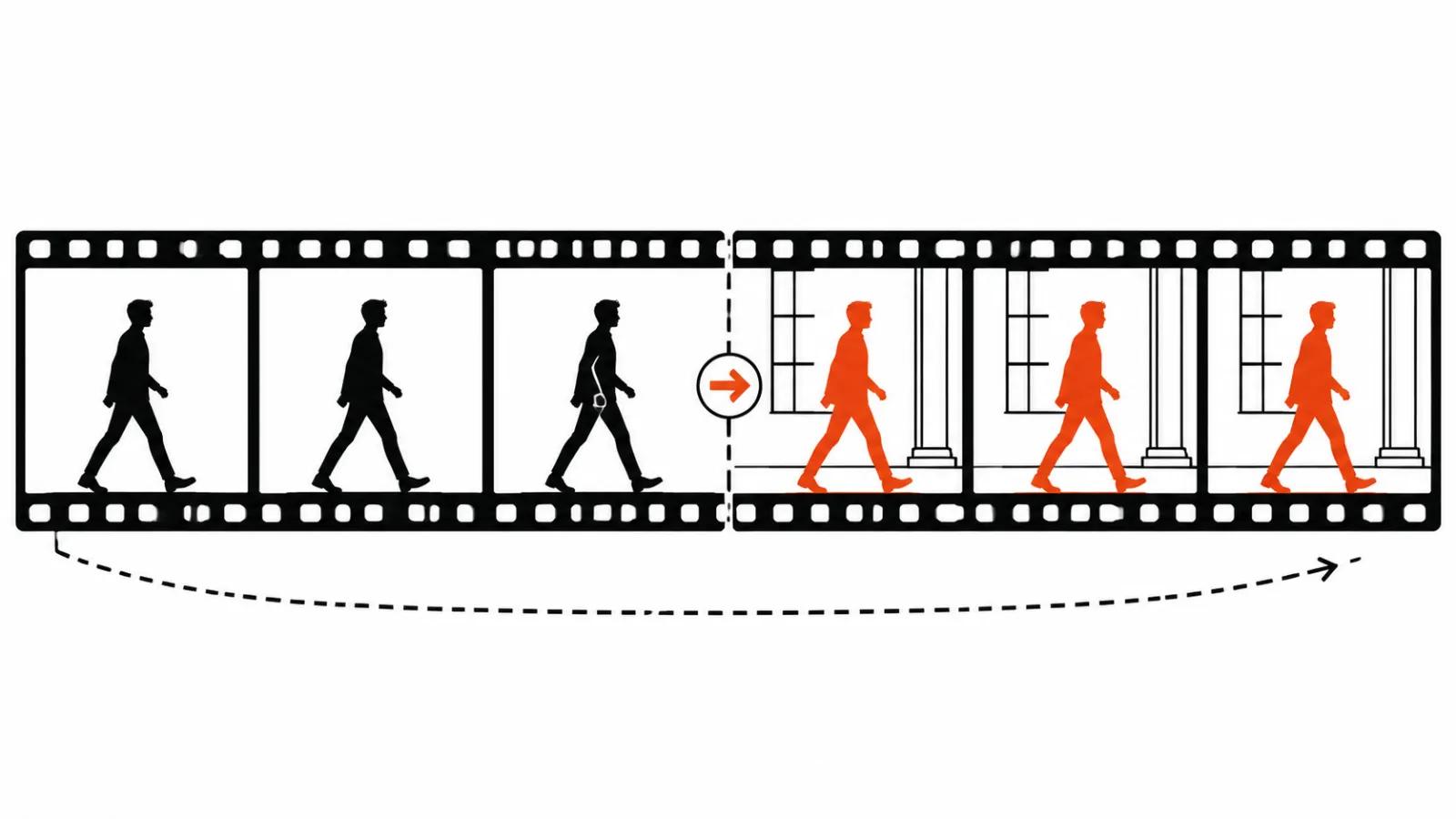
The point of the primitives is that they replace a stack of conditions. Behaviour used to be written as transitions between clips: where a step starts, where it ends, how a run enters that step, what happens on a turn. Here the same set of instructions goes in as one primitive, and the model fills the in-between states.
All of it runs zero-shot. No fine-tuning for the task, no task-specific tagging, so applications assemble plug-and-play and expert animation knowledge stops being a requirement. The authors say as much on the page.
The practical effect is described this way: stylized locomotion, an injured leg, a zombie gait, skipping, strafing and a crouch, all come from a single primitive without retraining. Switching between idle, walk, jog and run happens at runtime on a user command. For a shot, that means a gait change halfway through arrives as a parameter. A pre-built clip for the transition is not needed.
What this gives 3D animation
The page carries an uncut 2 minute 40 second demo built in UE5. The authors list what it does without: no foot-locking, no blending, no collision detection, no hand-authored transitions. Every motion is generated by the network. The styles on show are an injured leg, an injured torso, a zombie walk, skipping, strafing, a crouch and mixtures between styles.
This is where 3D animation changes its working order compared with the familiar pipeline. A character does not receive a set of clips that someone later glues transitions onto. It receives a description of where and how to move, plus a pose at the point that matters. The scene answers on its own, and the artist checks the result instead of assembling the links.
How the techniques compare has its own piece: hand keyframes, rigging and 3D solve similar problems in different ways, and the breakdown of rigging and 3D shows how the three differ by cost of error. MotionBricks sits closest to the third path, where behaviour is written as rules.
Where the announced numbers stop
The first limit is simple. 15,000 frames per second is about motion generation on server hardware. It says nothing about rendering a frame of finished video. The model owns the skeleton. Materials, light and the picture itself stay in the engine or in the video model, which is a separate stage.
The second limit shows up for anyone who wants to bend the style. The package holds three networks in one weight set, and these are not Transformers models loaded with the usual from_pretrained call. The repository has no training pipeline and no full dataset, so fine-tuning the model to a house style is not a quick job. What exists works zero-shot, which is the strength and the boundary in one.
The third is about evidence. A 2:40 demo shows styles and continuity. It does not show behaviour in someone else's project. Nothing in the materials compares it with hand animation on effort, so the frame rate stays an author's claim. It does not become a delivery promise.
What it changes for a buyer
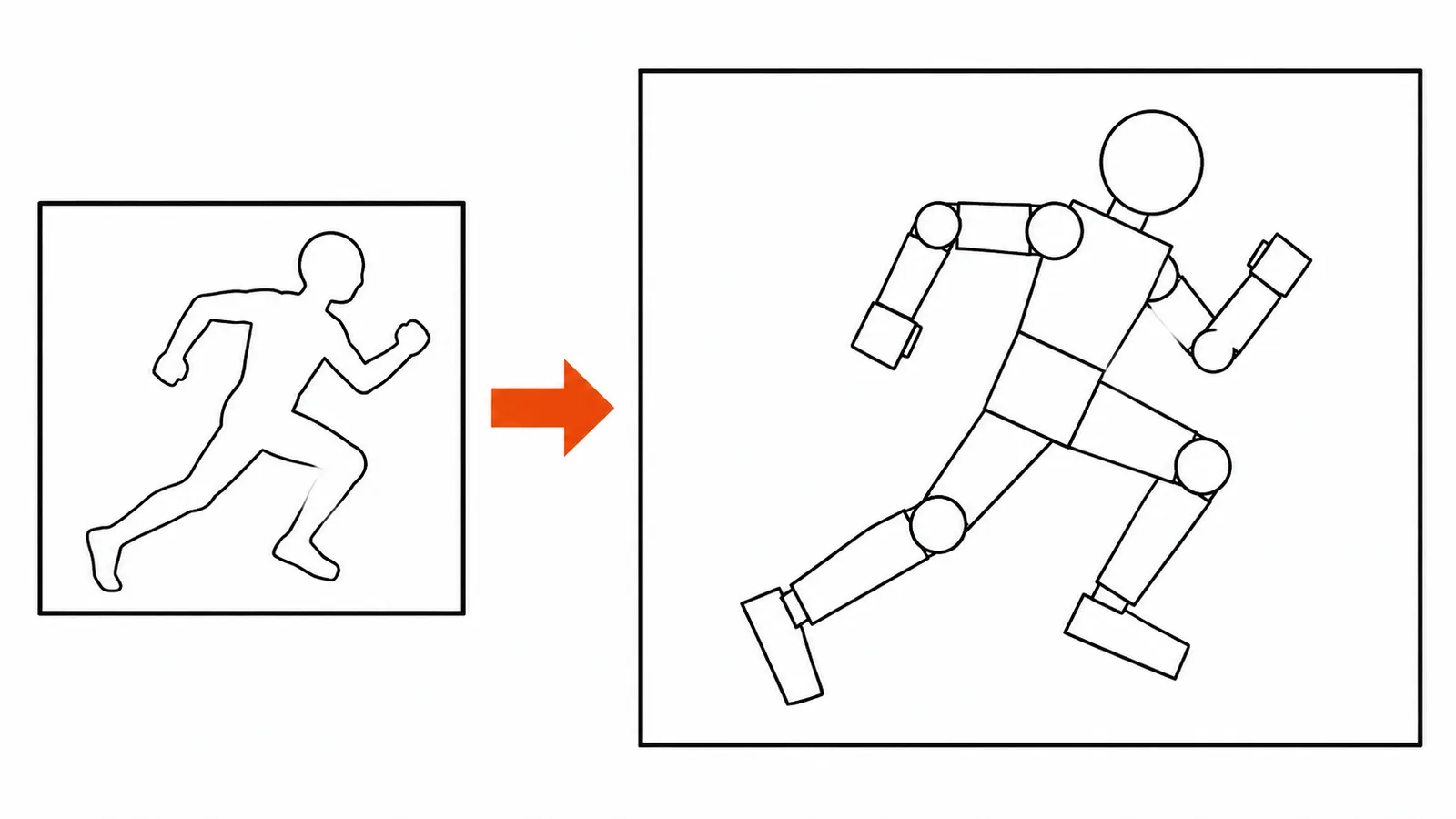
For a buyer the shift is narrow. Motion stops being hand work on keyframes and becomes generation from target poses. Where a piece needs many bodies, different gaits and repeatable movement, that changes the schedule.
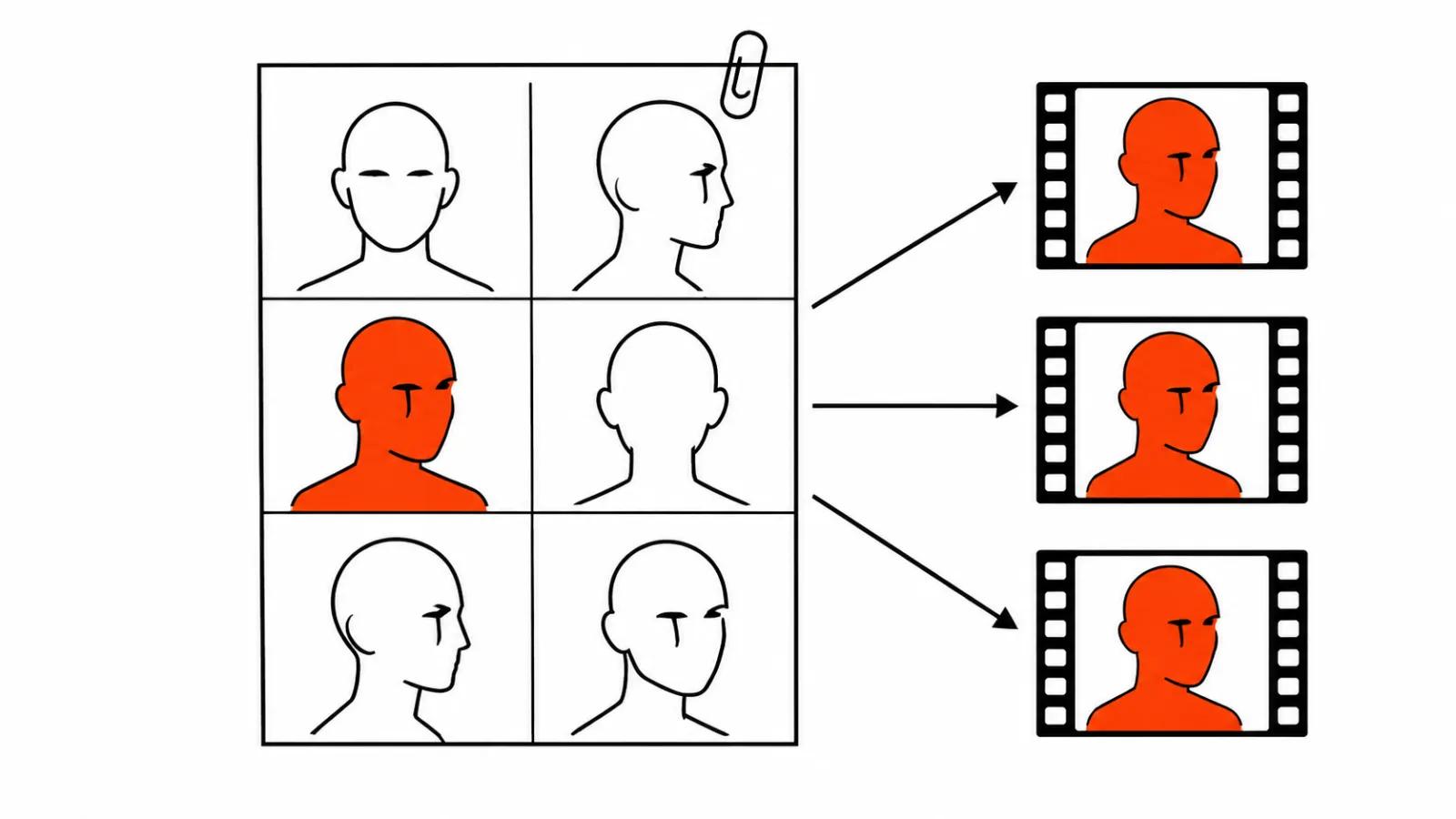
Caution is still in order. The model handles motion, and the rest of the video is assembled elsewhere. Keeping a character consistent is a good reminder of how much effort goes into a hero who does not change between frames. Motion generation covers part of that problem, because the face and the wardrobe do not live inside it.
Work on a volumetric scene is scoped as 3D animation, since the geometry the camera travels through matters as much as the pose. Budgeting follows how 3D animation is commissioned, where the set and the character's behaviour are costed together. A single hero with precise facial performance takes a different route, and a handcrafted video from $190 is the better fit there. High-volume vertical output is a third case: AI video production runs up to $2.40 per 1000 views, and at that volume motion from primitives pays back on quantity.
The whole story circles one question. The UE5 scene also turns up in the engine change covered elsewhere today, and the questions there are the same: what survives from a project already built, and what it costs to carry it forward.