What Tencent shipped on October 28
The week's most interesting paper is 2610.38352 on arXiv, titled "WeVisCut: The Whole Editing Room in One Agent From Narration to Long-Form Video". The code is open on GitHub inside Tencent's organisation under Apache-2.0, the weights are on Hugging Face as tencent/WeVisCut. One model sits at the centre: 9 billion parameters on Qwen3.5, with a tool layer and a renderer around it.
Feed it an article or a voiceover script and it returns a finished video of several minutes, split into chapters, with narration, stock footage, music and a final assembly. That pipeline used to mean hours inside a timeline.
Twelve tools instead of one prompt
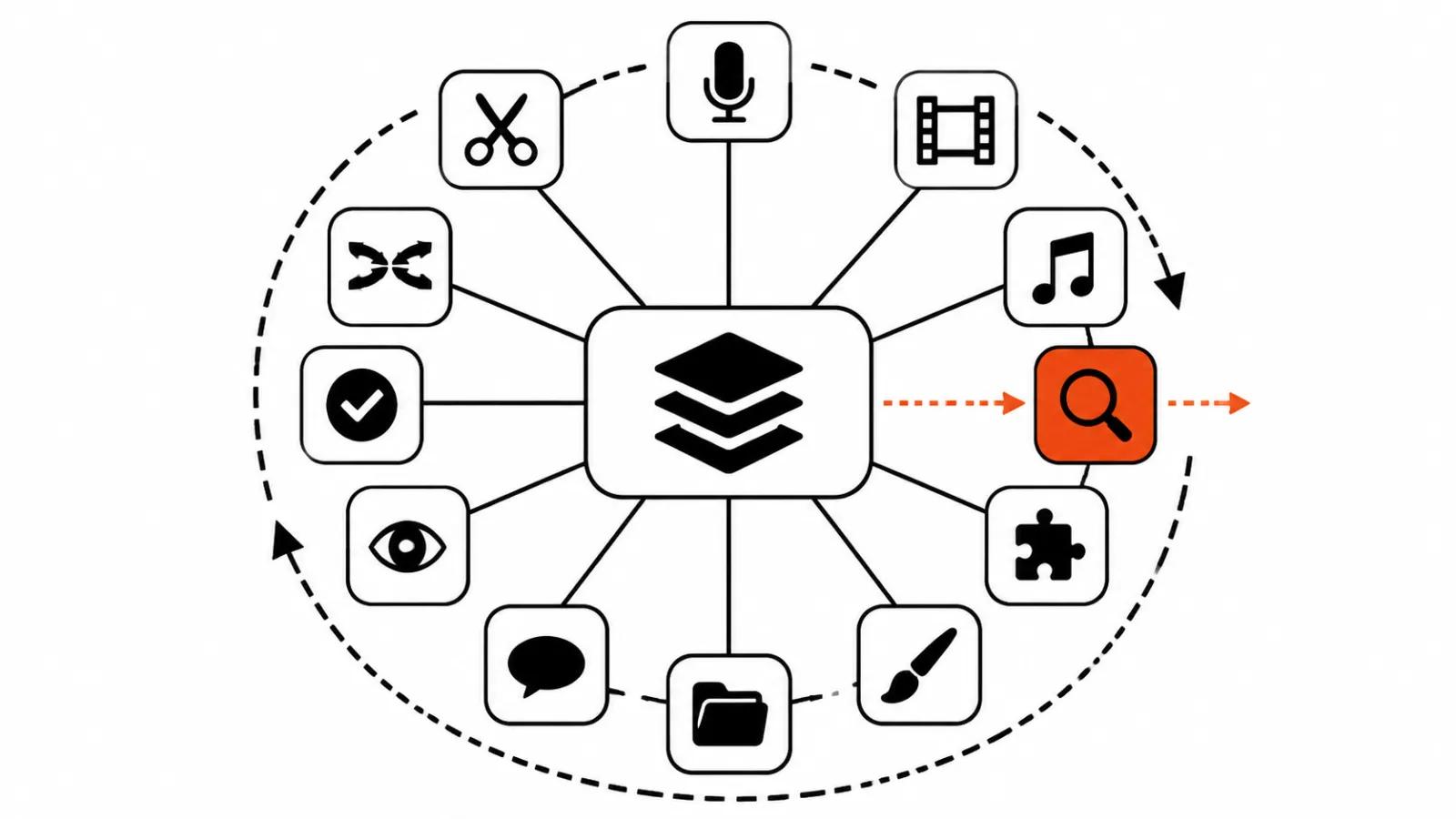
The loop is what won me over. There is no separate step that plans the whole film up front: the agent looks at the current state of the edit, picks one tool, calls it, then looks at the new state. A run lands at roughly 12 calls.
The tools are:
Each item is a single operation with a defined input and output. That is why Studio later lets you click any shot and fix it by hand without rebuilding the whole video.
- split the article into chapters
- plan the shots
- synthesise narration
- find footage
- apply an animated template
- assemble a shot
- pick background music
- check the text
- check the rendered video
- decide what to repair
- check external services
- stitch the final cut
Three thousand seven hundred fifty videos, edited backwards
The training data did not come from prompts. The authors took 3,750 finished videos and walked them backwards, recovering the editor's decisions: where a shot starts, where the footage came from, how the music sat. That produced more than 130,000 training examples.
The logic is easy to follow. The model learned to repeat a human sequence of moves, so it can open a chapter, search a clip and check the result. Guessing the final frame from a description is not part of the job.
The number against Claude Opus 5
The benchmark holds one hundred tasks and the authors built it themselves. On that set WeVisCut scores 90.5 against 89.9 for Claude Opus 5, the same figures cited in the AI Weekly write-up of November 1. Generated tokens per minute of finished video come in almost 33 times lower.
Read those numbers with care: the tasks were chosen by people with a stake in the result, nobody has replicated the run, and 0.6 points across a hundred tasks is noise. The token saving is the more interesting half. The authors credit the design: one compact model runs the whole edit through a shared project state and gets by with about a dozen tool calls.
Studio: eight tracks and edits by chat
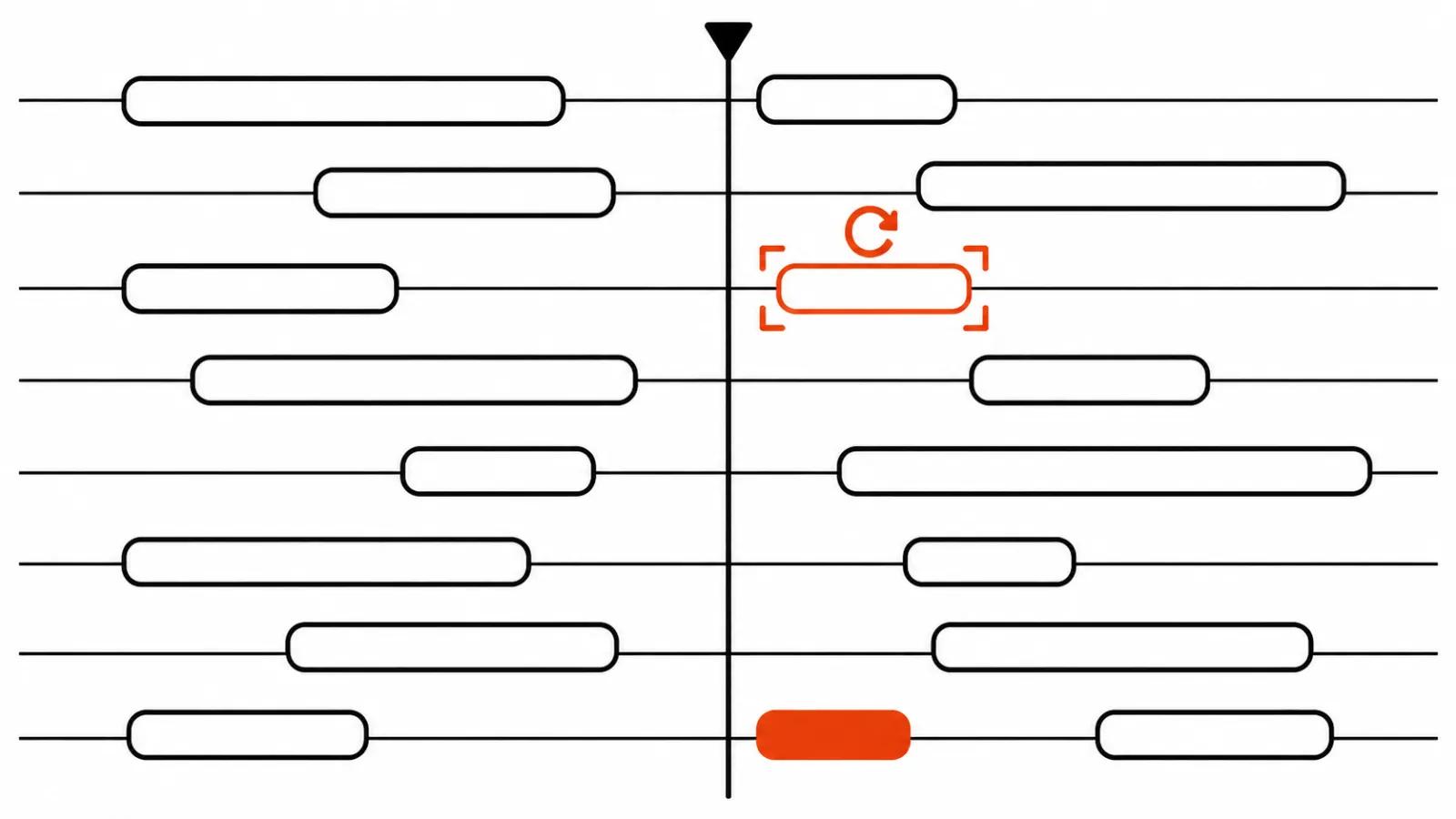
Studio ships alongside, with a live timeline of 8 tracks: chapters, shots, narration, subtitles, footage, templates, music, render. You get pause, manual edits, chat edits along the lines of "change the first line", re-rendering of changed shots only, and version rollback.
That is the real argument. You can stop a run halfway, fix one shot and continue. Single-prompt generation does not allow that: until you watch the output, you cannot tell what to change.
What it takes to run
The requirements are modest for an open model and heavy for a laptop: Python 3.11+ and an NVIDIA GPU with around 24 GB, which is what the model needs in bf16. Footage and music are pulled from the open web by default, and the source can be swapped for a local folder or an API.
Rights to whatever footage the agent finds stay with whoever runs it. For internal drafts and animatics that is workable, for a client video you have to load a licensed folder in advance and confirm the agent actually uses it.
An editor that does not draw frames
Keep the boundary in mind. WeVisCut does not generate images from scratch: it assembles a video from the footage it finds and from animated templates, so the frame on screen looks like stock or like a template.
A standard text to video generator owns the shot, this agent owns the assembly, and the two roles should not be confused. News, explainers and training modules usually survive on stock footage. A scripted scene with a specific character still needs a separate video model and a separate prompt.
Why this matters for article-to-video work
My take is simple: the value sits in an edit broken into steps. Those twelve operations are the same list a human editor follows, chapters, shots, narration, footage, music, checks, assembly. If the job is to make AI video from text for an explainer or a news segment, this kind of agent gives a predictable skeleton: swap a scene, rewrite a line, drop the music.
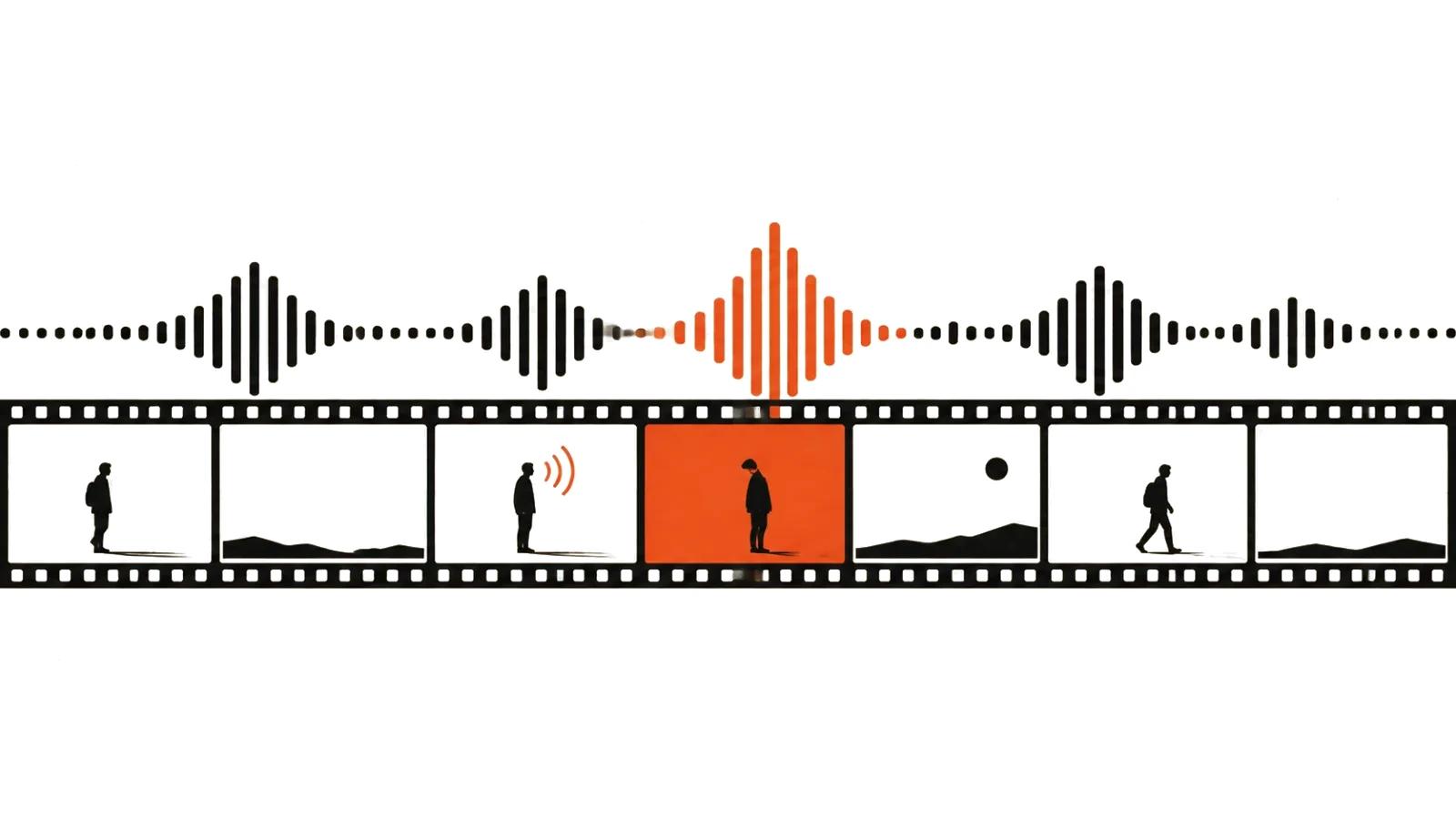
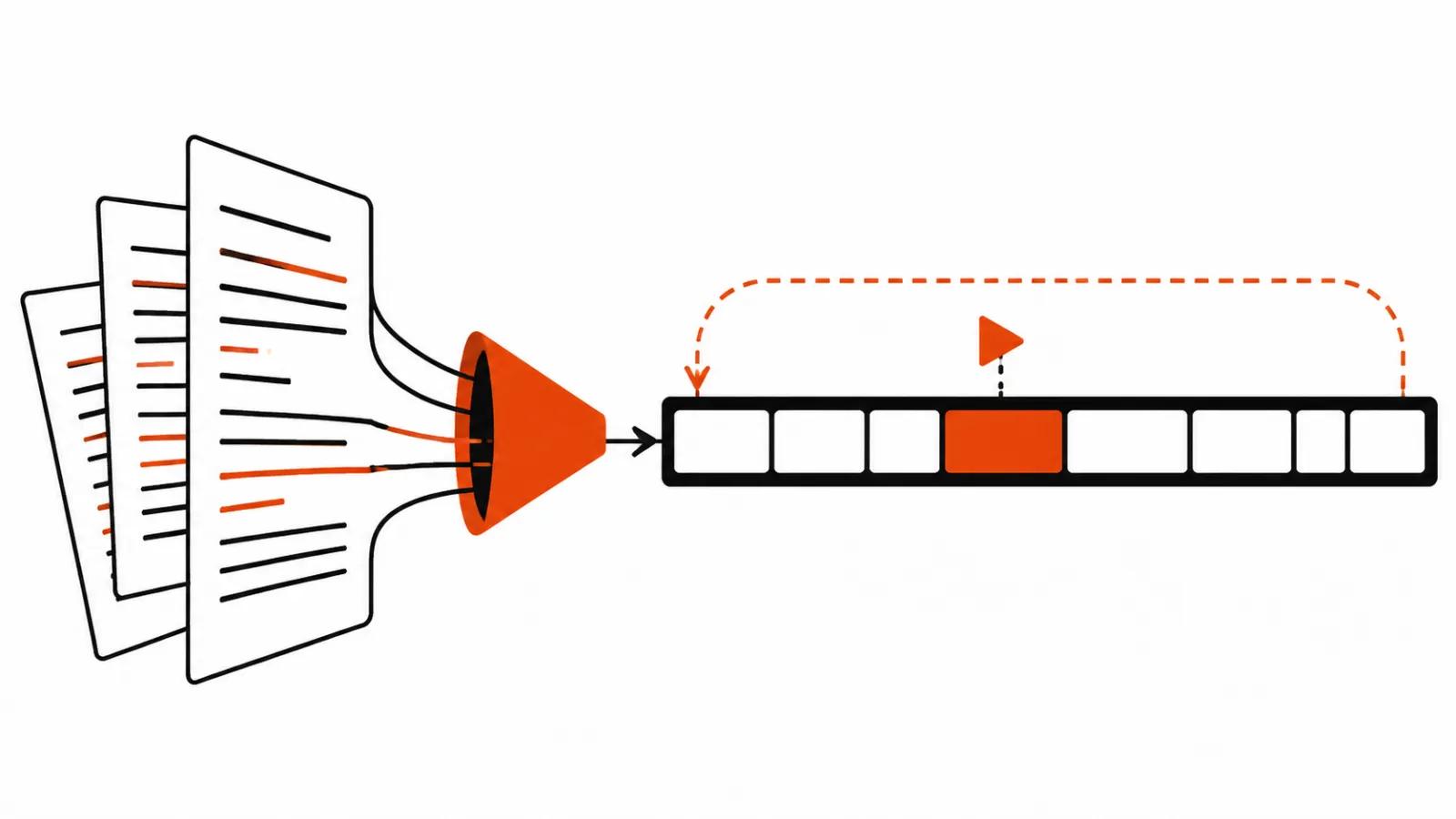
A single prompt does the same work blind: get a minute, watch it, throw it away. The difference shows up in control and in how many times you redo the whole thing. We wrote separately about what a text to video model actually reads, where meaning leaks out and why a long article digests worse than a short paragraph, and that piece is worth reading before testing WeVisCut.
Treat WeVisCut as a replacement for hand assembly on explainers and news videos. Test it on your own footage if a 24 GB card is within reach, otherwise watch the repository.
Volume decides the rest. A couple of videos a month runs fine on a subscription, while a regular schedule needs a setup where editing hours and revision hours get counted. An AI YouTube channel can be built around a finished timeline with a human pass at the end, and for that production route we run AI video production and channel management, from script to delivered cut with a check at every step.