What video actually does for a business
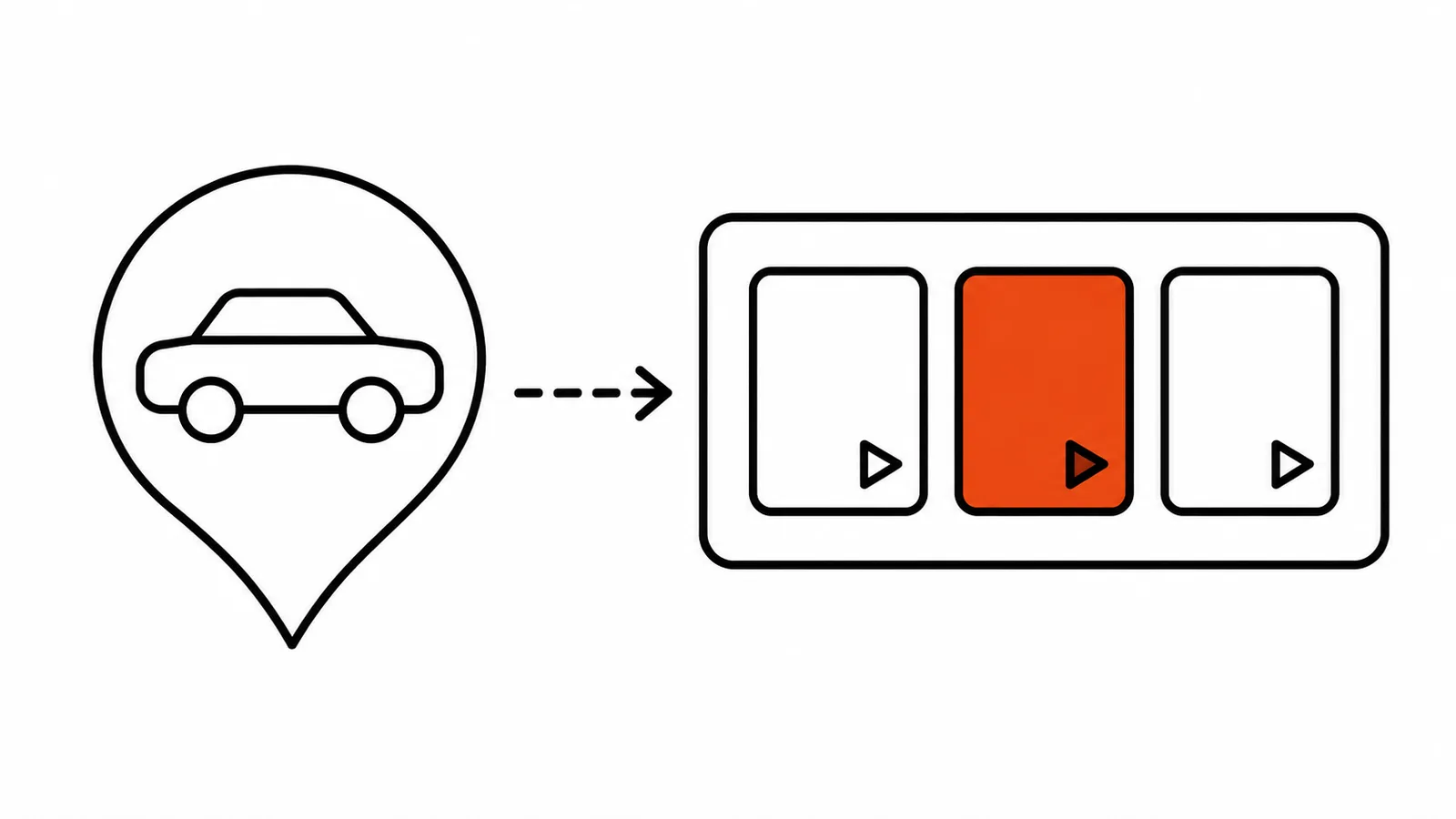
Business video covers four different jobs, and mixing them up gets expensive. The first is trust in the product and the company. Wyzowl's State of Video Marketing 2026 (266 respondents, fieldwork in late autumn 2025) reports that 89 percent of consumers say video quality affects their trust in a brand. The second is explaining a complicated product when text runs out of road. The third is reach in the feed, because platforms push video on their own. The fourth is clearing an objection before the call, so the person arrives already half-sold.
Video being everywhere stopped being news years ago. The same Wyzowl report puts the share of companies using video in marketing at 91 percent. The sharper number sits next to it: the share reporting a good return dropped from 93 to 82 percent in a year. Video became a mandatory line item, and the promised return stopped arriving for everyone.
The practical conclusion is short. Name the job and the metric before ordering anything, because trust, explanation, reach and objection handling each want a different format and a different length. A separate piece on which three videos to order first walks through that split.
Why demand moved to generation
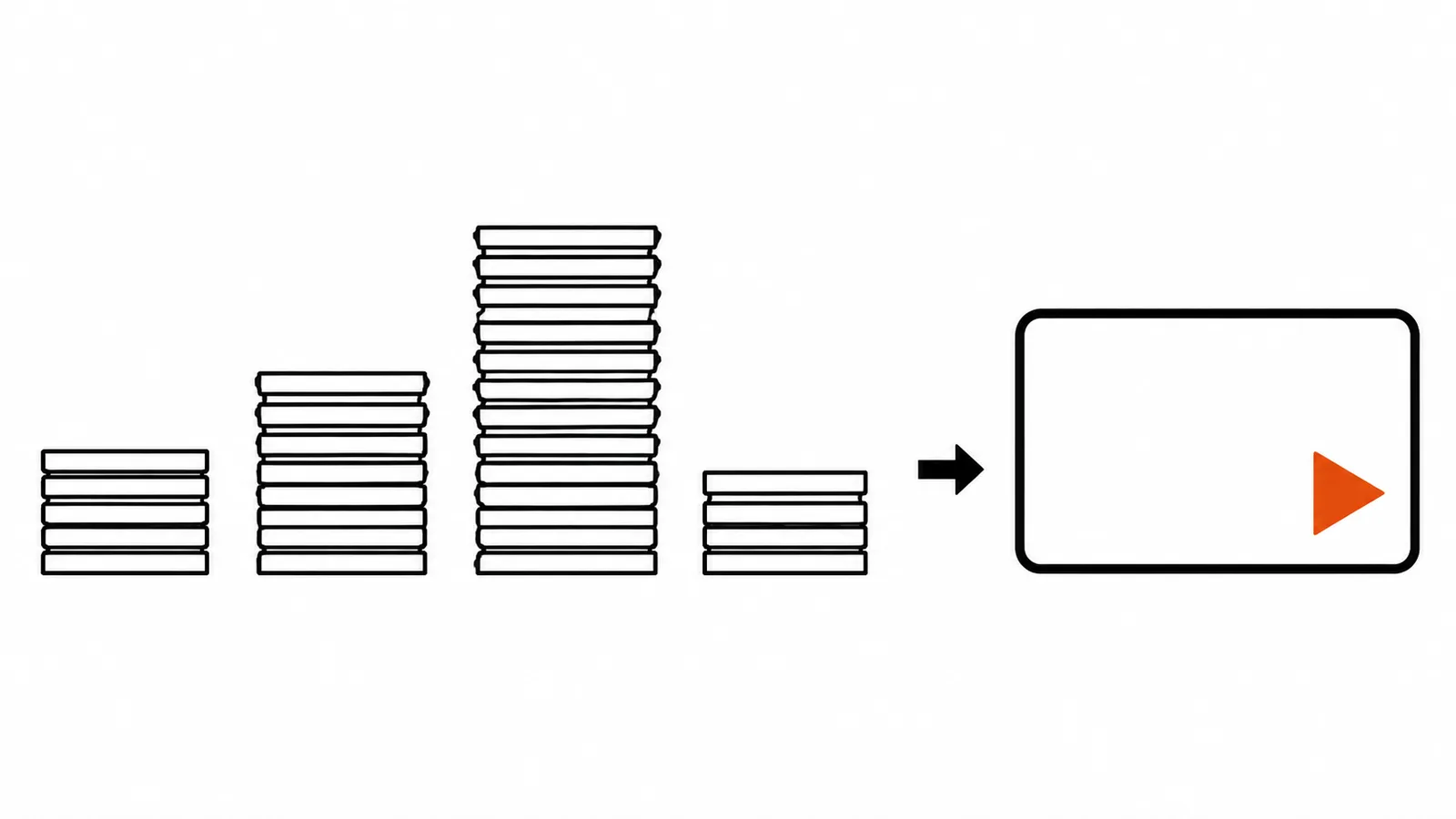
The video market is growing faster than advertising as a whole. IAB's 2026 forecast puts US digital video spending at $81.9 billion, an 11 percent rise year over year, which runs almost 20 percent ahead of the wider ad market. Last year backs it up: in IAB and PwC's April 2026 report, US digital video ad revenue rose 25.4 percent in 2025 to $78.0 billion.
Generation landed inside that growth for a plain reason. Two independent 2026 studies put AI use in video creative at about two thirds of respondents: Wyzowl counts 63 percent of marketers, while IAB reports 62 percent of video ad buyers. One more shift sits beside it, with Nielsen finding in December 2025 that streaming passed 47.5 percent of US TV viewing for the first time.
Put those together and the shape is clear. More video is needed, less time is available to make it, and part of the creative is assembled by a model. That is also where the year's real divide sits. AI use in video creative keeps climbing while reported return keeps falling, and the gap explains why some clients sour on the approach faster than they see a result.
Where generation wins
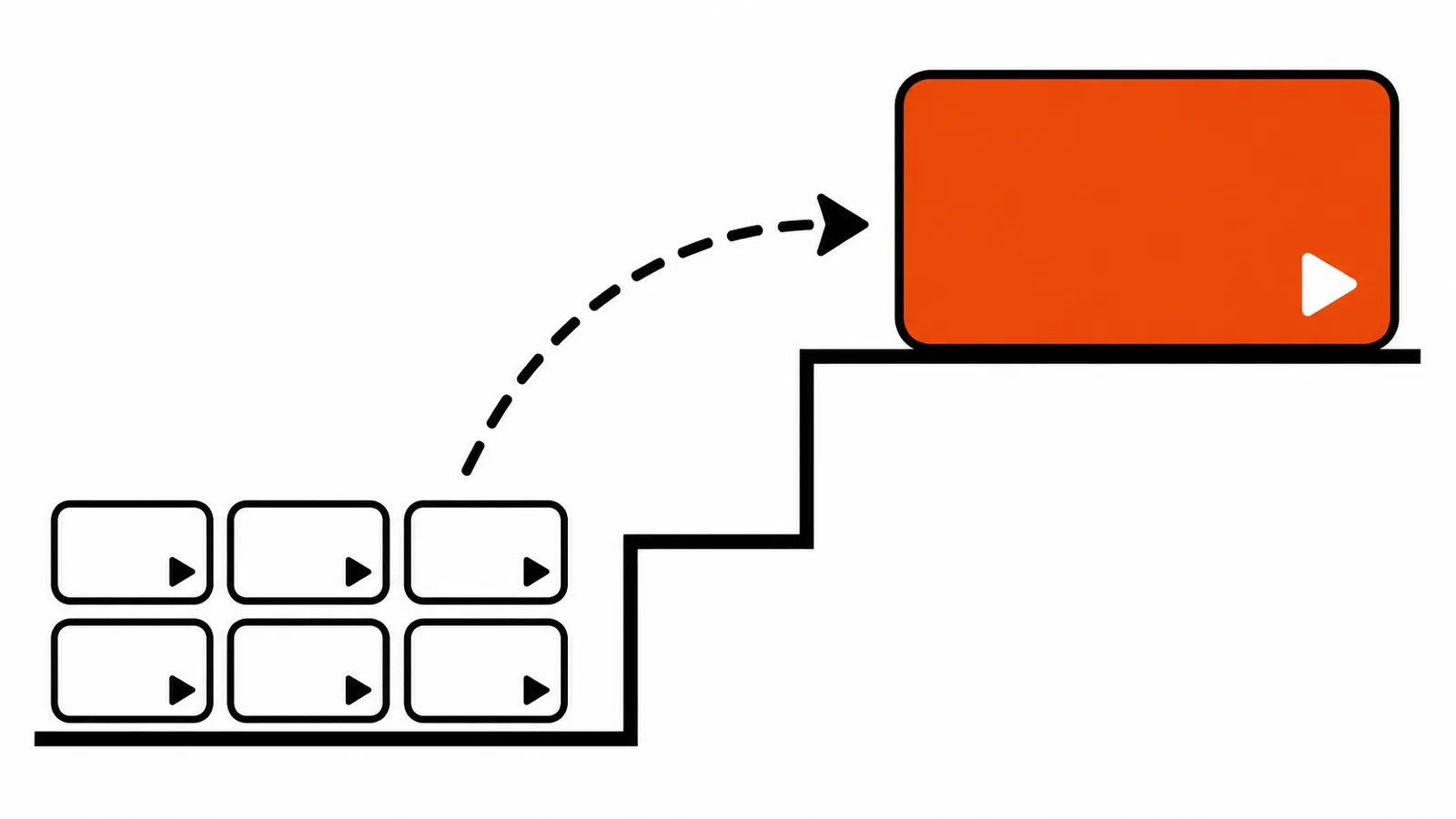
Generation wins where volume and speed matter. Mass formats come first: dozens of versions of one video for different placements, where the hook, the first frame and the length change. Hypothesis testing comes next, because when nobody knows which message will land, ten cheap variations beat one expensive shoot.
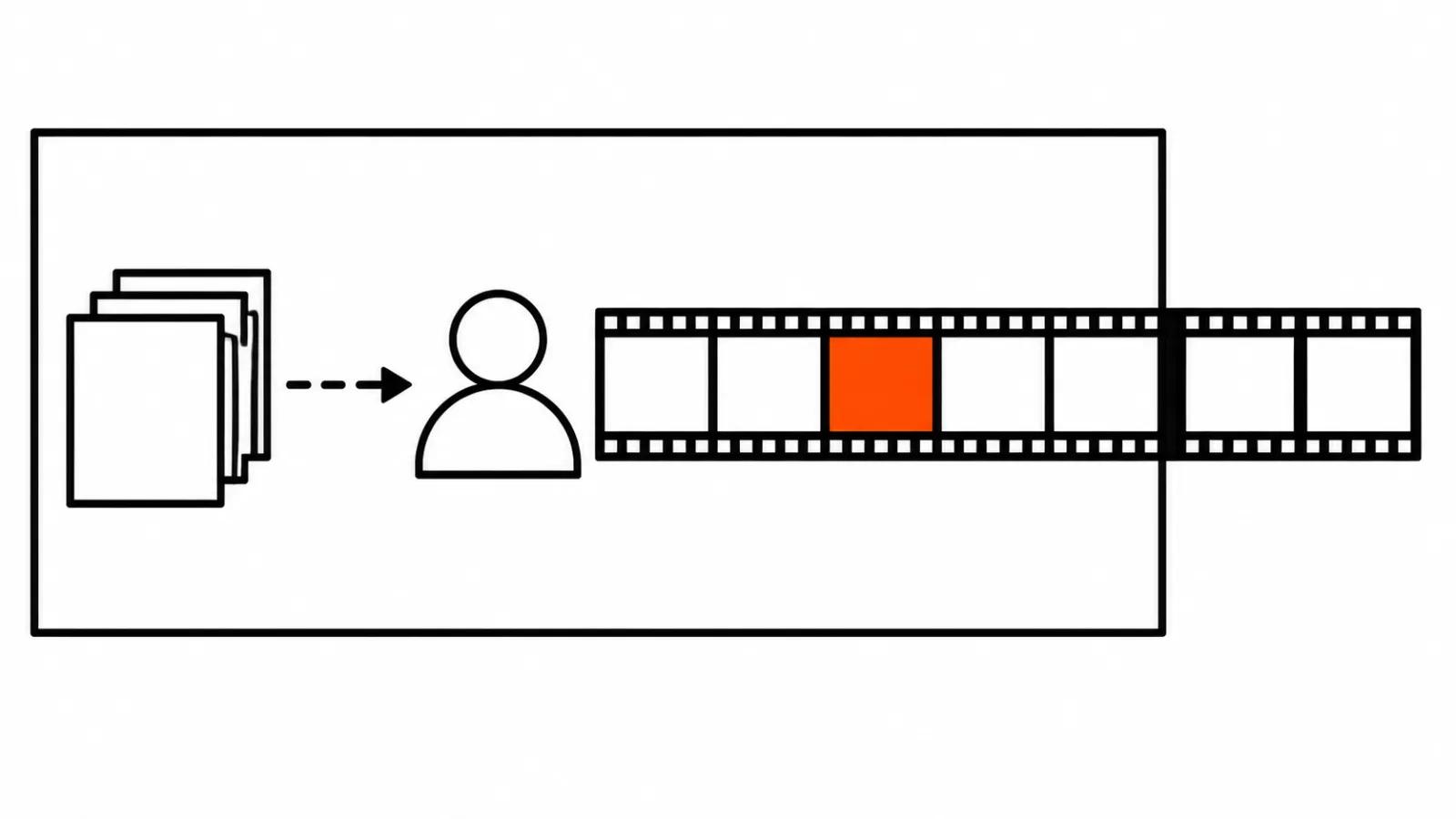
Second is product pages and short marketplace clips. There is no set, only a product, a logo and a few seconds to use. Third is audience versions, where one source clip is rebuilt into a set of variants by copy and voiceover. The breakdown of ad creative versions is useful here, since it separates a properly versioned campaign from a single hero clip.
The rule underneath all of it is simple. When the job repeats and the format is settled, ordering AI video and scaling the winning template costs less. On a one-off story with a single strong shot the saving shrinks, because frame selection sets the price and volume does not help.
Where a real shoot still wins
Some shots come out worse from a model than from a camera. A real product in close-up: texture, the gloss on the packaging, an exact shade. A person and a voice, when the specific face matters. The client's own site, a floor, a warehouse, a room the viewer recognises. In all three cases the model either fumbles the detail or loses the recognition.
The mistake lives at both extremes. Some teams move everything to generation, including shots a phone would handle for less. Others refuse it everywhere, even where scaled versions would cut the budget in half. The read on why videos get no views is worth keeping in mind for that boundary: the weak point usually sits in the job and the placement, and the production method comes second.
The takeaway for this part is that a mixed approach is cheaper than a pure one. A shoot covers the product and the person, generation covers the volume and the versions.
How the market prices the work
A vendor quote is built from a handful of lines, and they barely change with the method. Script and storyboard, material prep, production, cleanup, voiceover, editing and placement versions. What changes is the split. On a shoot most of the budget goes to the set, the crew, the talent and the camera. On generation most of it goes to selecting usable frames and re-runs.
The second cost line is waste, which clients rarely see coming. Some share of generated runs never reaches the edit, and it has to be budgeted from the start. The third is versions. One clip in one aspect ratio carries one price, while the same clip for five placements is separate work, even though the base is produced once.
A rule follows for comparing quotes. Look at what the package includes: how many versions, whether voiceover is in, how many revision rounds, how deep the cleanup goes. Two packages with the same label can differ on every one of those, and acceptance is where it shows.
Common mistakes on the client side
There are not many mistakes, and they repeat. The first is ordering a video with no job and no metric attached, which turns acceptance into a matter of taste and endless revisions. The second is expecting one model to deliver the whole result, script, voiceover and edit included, when those are separate steps and often separate people. The third is leaving tests and waste out of the budget, so the quote is either too low or collapses halfway.
The fourth mistake is about formats. A clip is built for one placement and reshot for the rest, when versions are cheaper to plan at the script stage. The fifth is the quietest: video gets made for its own sake, with no plan for publication or distribution, and then sits in a folder.
Compress it to one line and it reads like this. Video works where it has a job, a metric and a plan for versions. Everything else turns into a nice picture with nothing behind it.
Our offer
A handcrafted video up to 90 seconds costs from $394, and that covers the script and storyboard, frame selection, cleanup, editing and music, with the first batch ready in about a week. Vertical videos at scale and 9:16 vertical video ads start at $2.47 CPM, from 100 videos a month, first batch in 5-7 days. Anything outside these formats is quoted after the brief.
The full price list is on the pricing page, and the service itself is described on the AI video production page. You can reach us on Telegram @neurocartel_sup, on WhatsApp +7 993 909-98-29 or by email at [email protected].