AI video production: three levels of review
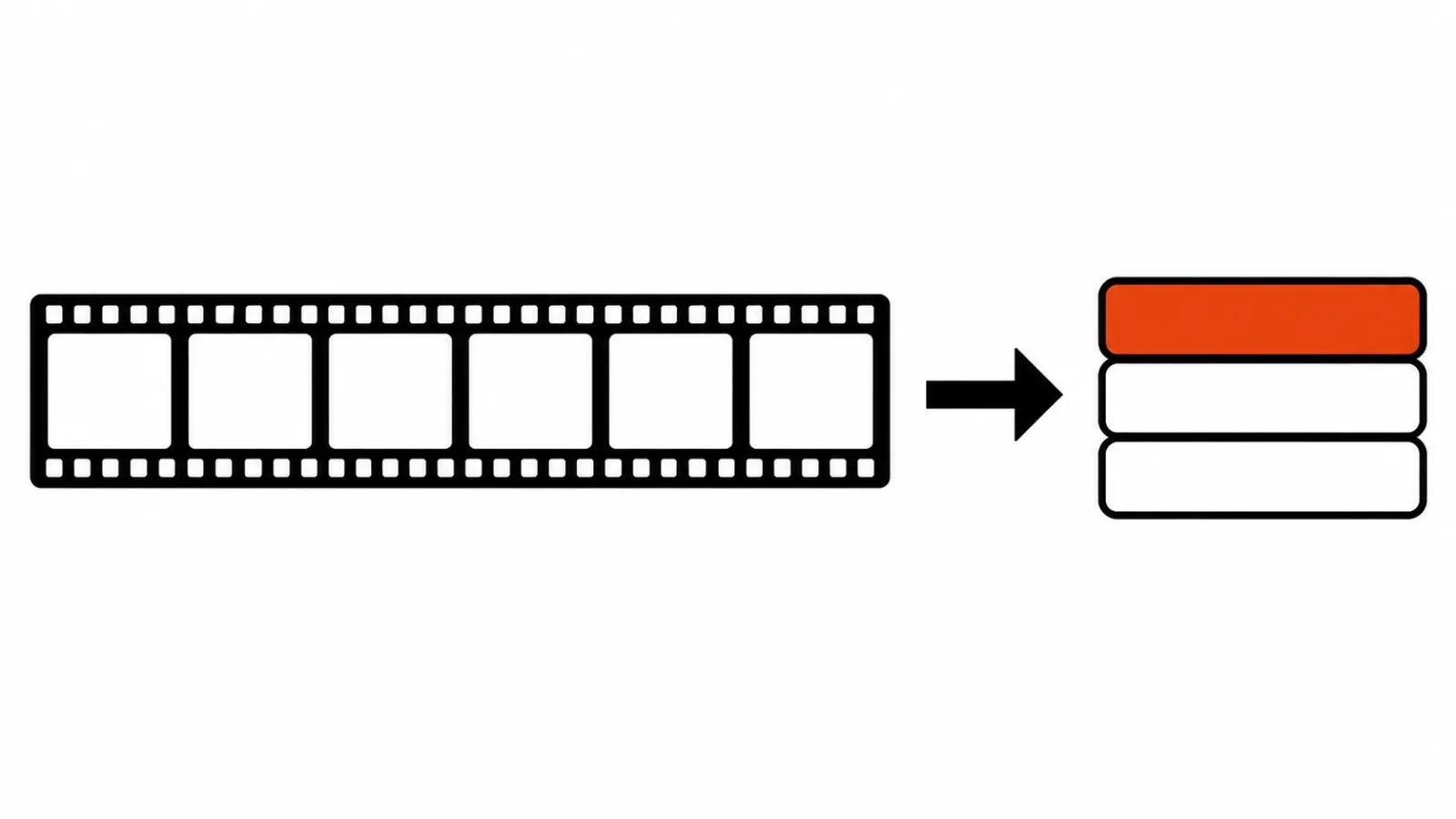
A hand-built video up to 90 seconds gets every frame watched, and a single movement can take up to a hundred generations. Someone picks one of those hundred by eye: no instrument in the workflow says which frame is the better one. That is where the defects come from. The choice is made by eye, and the review works with the same eye.
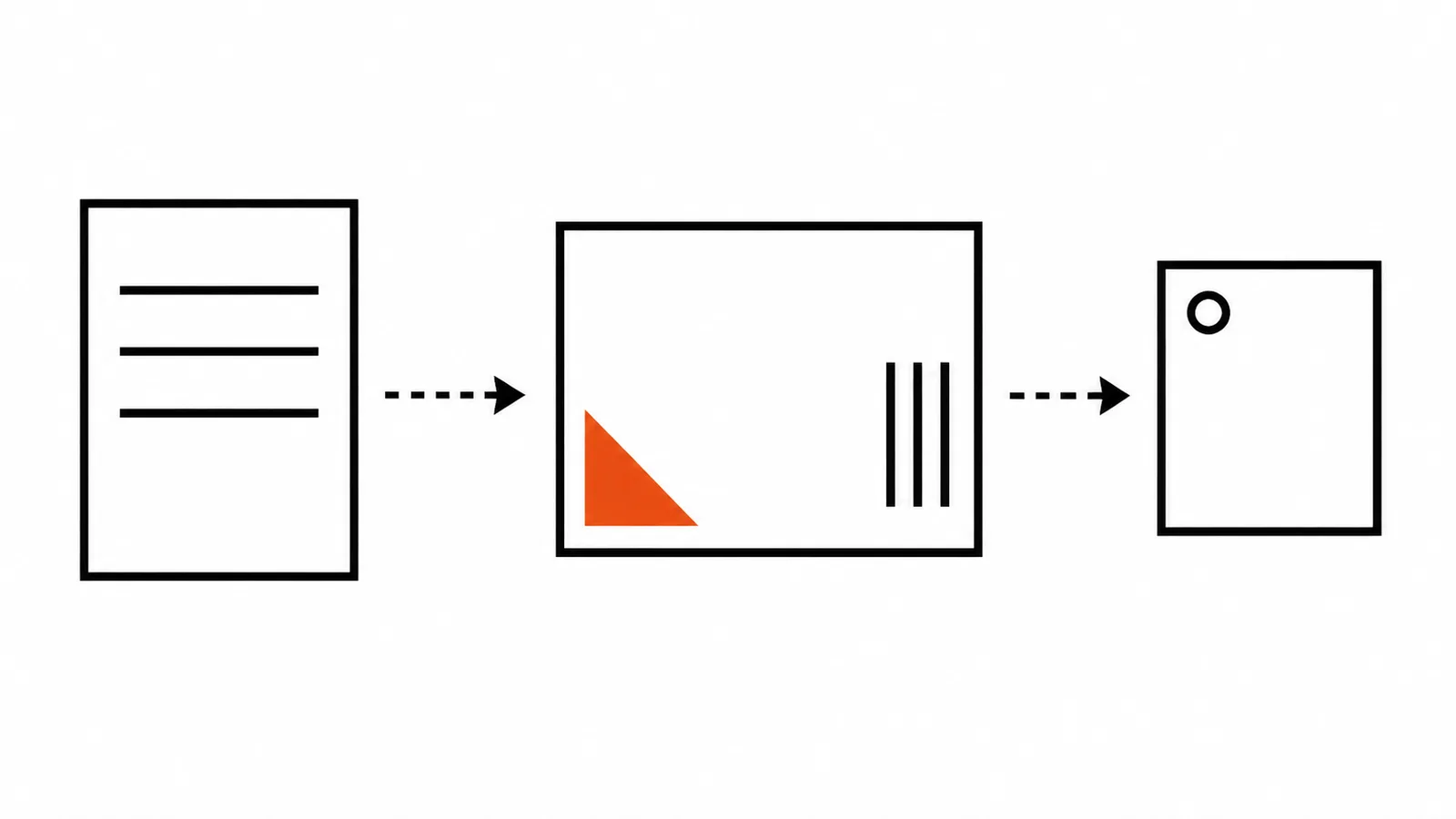
Review splits into three levels. The technical one reads the file properties and answers yes or no. The content one covers what only shows up on pause at 100% zoom. The legal one covers a person's consent, the AI label and the music. The order matters: technical takes minutes, content takes hours, and legal is settled before generation and only confirmed at delivery.
Technical level: checking against the spec
The file gets opened and compared with the spec by numbers. The Kling 4.0 manual (kling.ai, checked 20.11.2026) lists them: one generation runs 3 to 30 seconds in one-second steps, 10 by default. Resolution accepts 720p, 1080p or 4k, 1080p by default. Dynamic range is a separate setting, sdr or hdr, sdr by default. 720p is available in SDR only. Aspect ratio comes in six variants: 21:9, 16:9, 9:16, 1:1, 4:3 and 3:4.
The model takes up to ten keyframes and up to fifteen references, of which up to ten images, up to five videos with a combined length of 30 seconds, and up to seven elements. Stereo audio and lip sync are both in.
Delivery checks duration, resolution and range, aspect ratio, the audio track and how lips match speech. If the spec says HDR and the file arrives in 720p, there is nothing left to review: the shot goes back for a new run. The parameters a spec should fix are covered in the piece on the AI video brief.
AI commercial work: defects that only show frame by frame
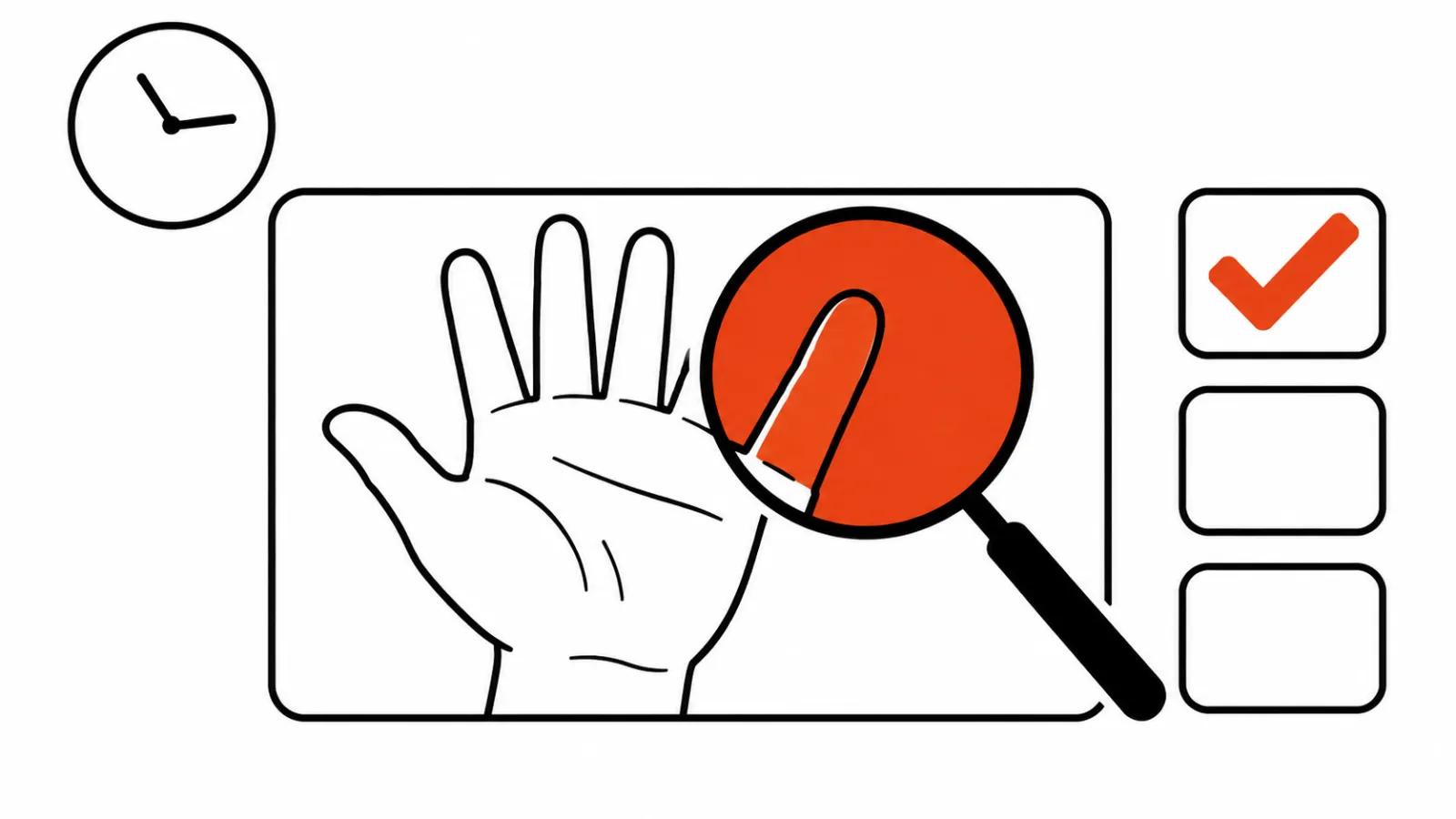
The content level takes longer because a normal playback hides it. The eye adapts to motion and fills in the gaps: a six-fingered hand in a close-up survives a full watch if nobody pauses the frame.
The places where defects live: hands and fingers, the hero's face across shots, on-screen text and logos, reflections, shadows, the direction an object travels, contact physics, props that should match between shots. Why faces, hands and text drift is covered in the article on why AI video faces, hands and text drift, and the mechanism there is detailed enough. For review it is enough to know that those three get checked on pause at 100%.
Seams get their own pass. Every shot comes from its own run, so the boundary between two runs is where two independent decisions meet: light that does not match, fleece on a collar pointing the other way, a shadow falling on the wrong side.
Viewers notice this. Shots in the film "Cliff Booth" that look generated are being argued about, and IndieWire describes an artefact in the trailer where a van appears to face the wrong way (VP Land, 23.11.2026, https://www.vp-land.com/stories/david-fincher-defends-ai-use-amid-viewer-criticism-of-apparent-generated-shots-in-his-netf).
Legal level: consent, labels, music
The third level is cheaper to close before generation. Three items: a person's consent to their likeness when someone recognisable or their image is in frame; the AI label required by whichever platform the video goes to; music rights, where the licence has to cover commercial display and the period the video stays live.
Consent and music are settled in the contract and never show up in the file. The label is verified on the platform: requirements change, and the current version of the rules gets checked in the platform help on the day of publishing. The sign-off sheet carries one line stating the label was set, with the date it was checked.
Human review is already being built into vendor products. Ads Engine from ElevenLabs can route every ad through review before launch, including native-speaker review for dubbing accuracy and brand-name pronunciation (ElevenLabs blog, 20.11.2026, https://elevenlabs.io/blog/video-variants-localization-ads-engine). The logic matches delivery review: a fresh pair of eyes catches what the author stopped seeing during a week of work.
What counts as a defect and what is style
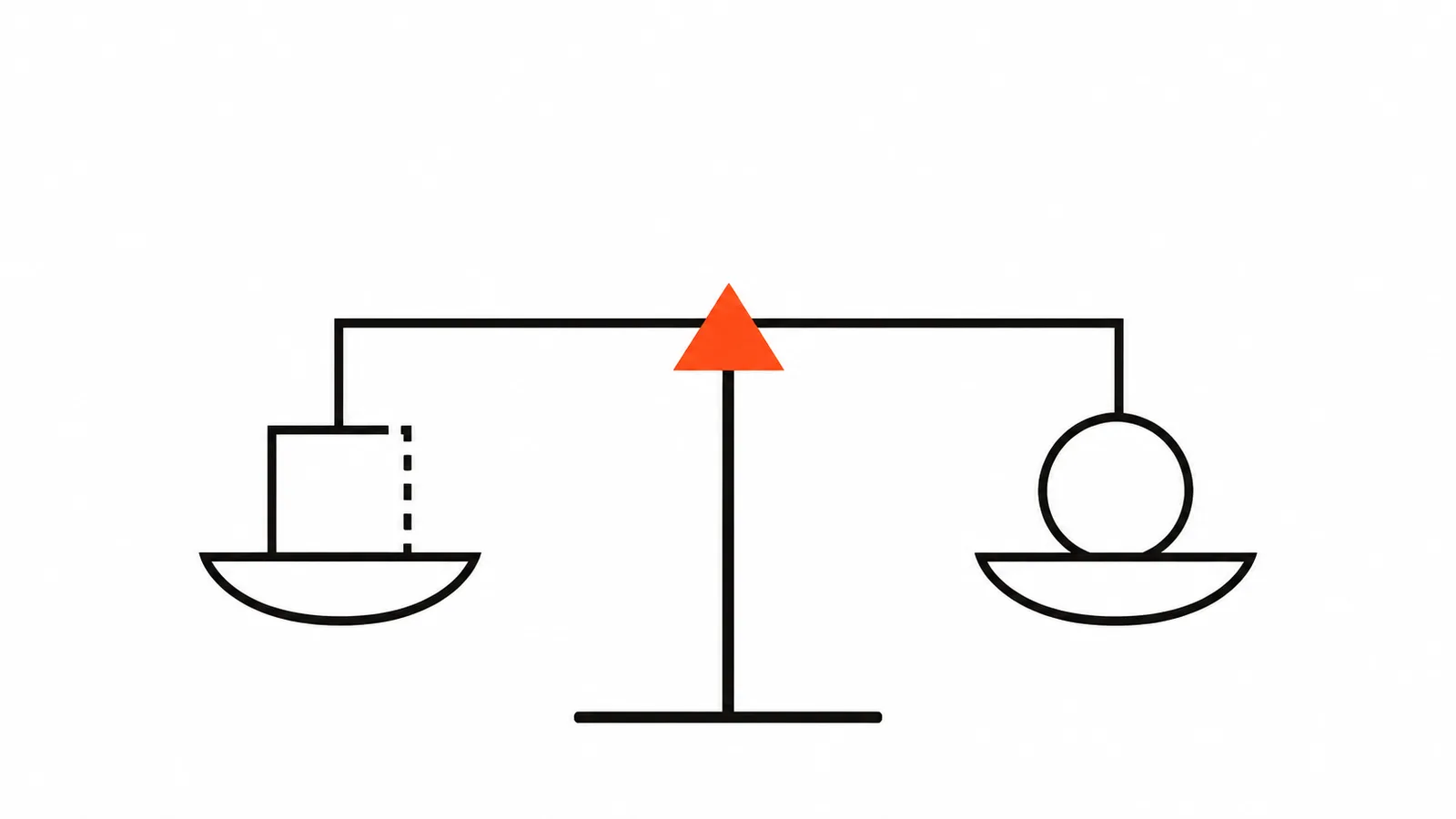
The line runs through one question: does it have a yes or no answer. "HDR is missing from the file" is a defect. "The light is a bit harsh" is taste, and that argument belongs inside a revision round, separate from who pays for a redo.
Defects: duration off spec, wrong aspect ratio, resolution below what was agreed, mono audio where stereo was specified, lips lagging the track, the hero's face changing between shots, fingers fused, a logo that cannot be read, a prop missing or appearing, an object moving against physics, a missing end button on the final frame.
Style: colour, pace, which of several usable takes was chosen, how the hero carries themselves, background detail, shot size. A note here is a wish for the next video and does not go on the sheet.
The practical point is that a defect has an address. A question with a yes or no answer lets both sides name who pays for the rework, and taste never reaches the sheet: it lives inside a revision round and ends with it.
The list gets written before the review session. Build it as you go and it grows with every small thing found, which turns delivery into an endless loop.
Putting the sign-off together: sheet, revisions, version
The delivery sheet fits on one page and mirrors the review structure: three blocks, an answer field per item, a document reference for the legal ones. Next to it goes a line on what exactly was accepted: version number, date, list of shots reviewed.
A second clause covers revisions: how many rounds are included, what counts as a revision, what an extra round costs. Without it the iteration count climbs and the deadline slides.
A third clause pins the version: file name with a number, model version, delivery date. Kling 4.0 and Kling 4.0 Flash differ in resolution and in what frames they accept, and Flash is capped at 720p with no first, last or key frames. The model version in the file name exists so that a month later nobody argues about what made the shot.
Delivery closes with a signature on the sheet. A "looks fine" in chat does not replace it and costs more than any single fix, because after it the argument runs without a document.
Fixing a defect: patch or regenerate
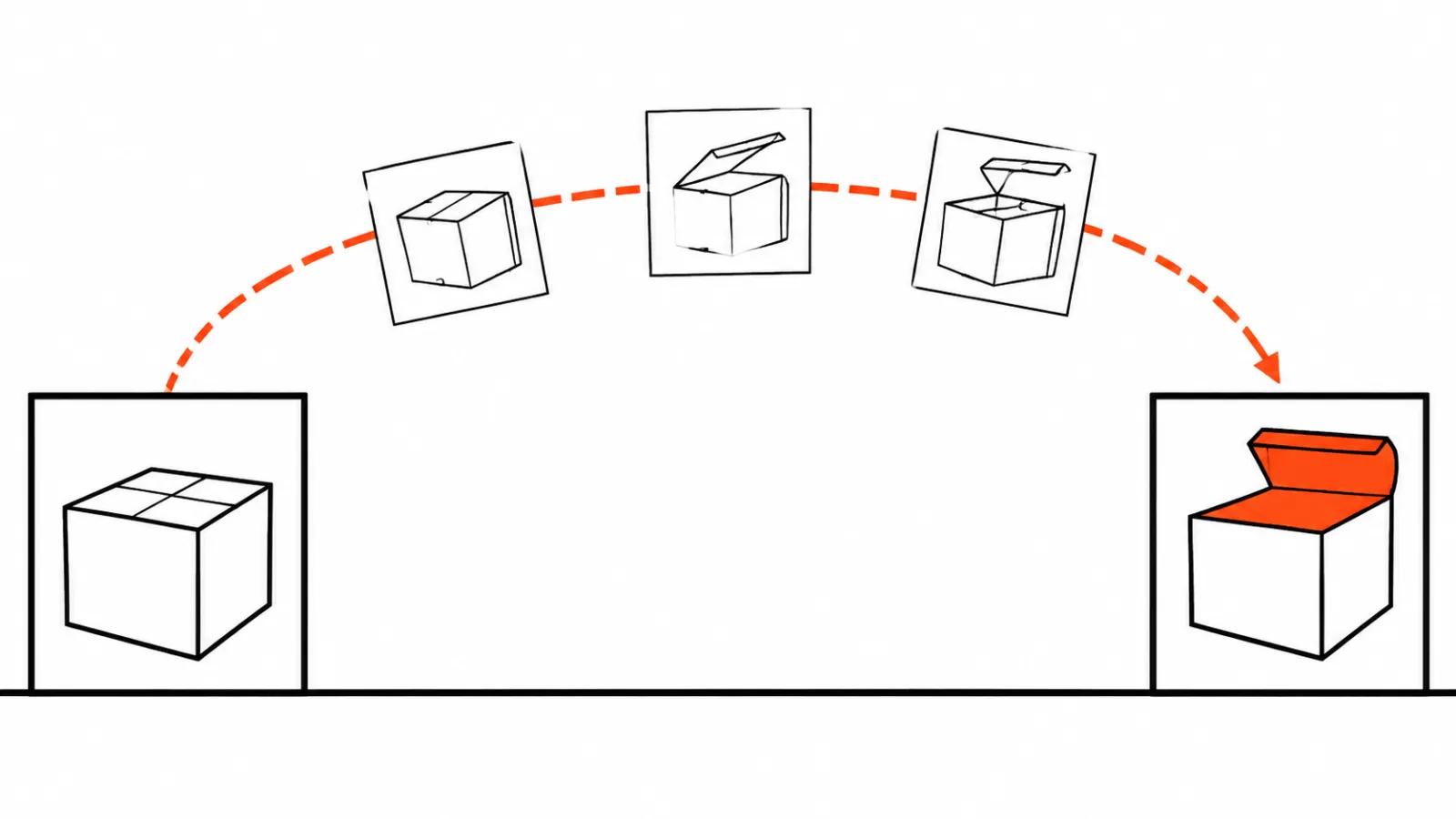
The choice depends on the scale of the error. A local defect, an extra object on the table or a label in the wrong spot, gets a targeted fix or a re-run of that one shot. A systemic error, hand geometry or a face that changes, does not survive a repeat of the same input: keyframes, camera angle or shot length have to change.
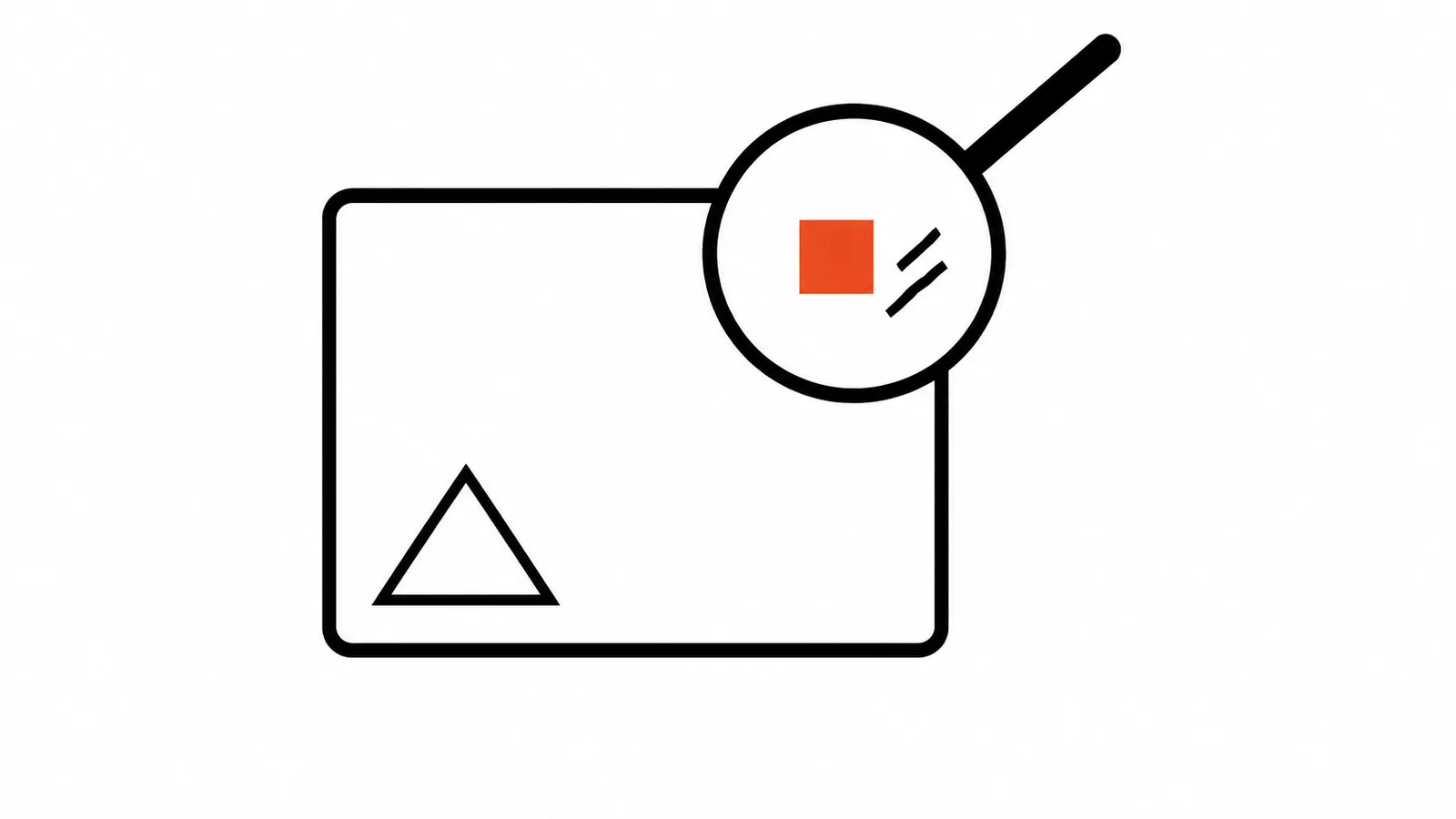
Upscaling is a separate matter. Raising resolution enlarges the frame and leaves geometry as it is, so a six-fingered hand stays six-fingered after processing. What upscaling an AI video does do is a different question.
Catching all of this is cheaper on a draft. Before a shot is accepted, a fix costs one run. After the edit it also costs a rebuild, and after publishing it changes the whole series.
What it costs
A hand-built video up to 90 seconds with every frame reviewed starts from $190, takes about a week, and delivery review is part of that work. Vertical video at scale is priced per view, up to $2.40 per 1000 views, and review there runs on a sample: a full pass on every clip in a batch of hundreds does not pay for itself, while a model defect spreads across the batch.
The two solve different problems. When one AI commercial is needed by a date, the schedule is counted in weeks. When the job is volume, handcrafted AI videos and the batch flow get quoted separately.