1. Maxon Plus: a cloud subscription with 3D model generation
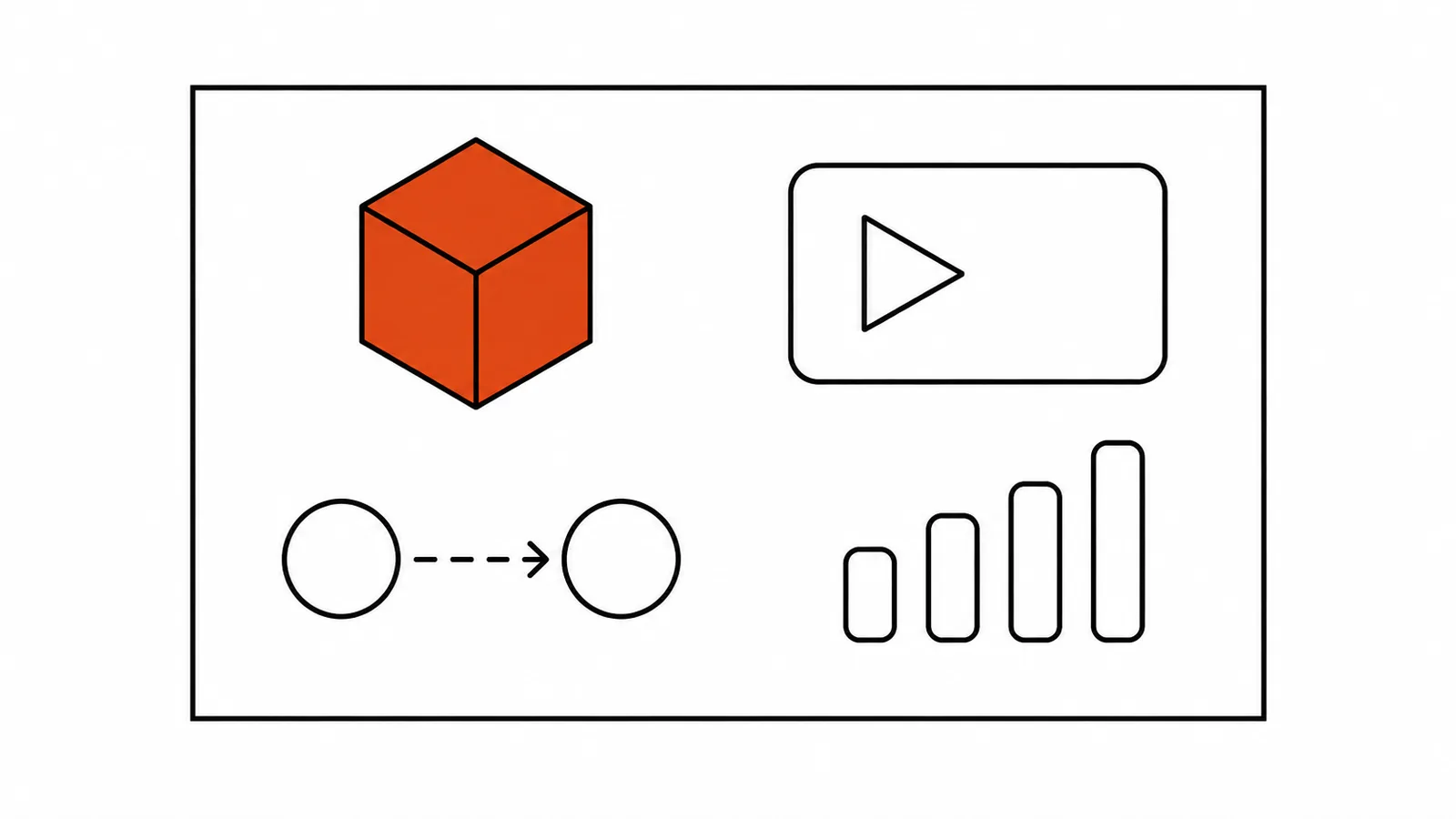
On November 23 VP Land covered the Maxon Plus launch, and the product page sits at maxon.net. It is a separate cloud subscription, not part of Maxon One, and it does not require another Maxon subscription. Four services ship at launch. Model Generator turns text, a reference image or a browser sketch into an editable 3D model, runs in Cinema 4D 2027.1 and newer and in the browser, with optional PBR materials up to 8K. Clay Builder gives an untextured mesh for sculpting, Texture Generator makes textures from a description with valid UVs, Maxon Review opens viewing and comments in a browser. Operations cost credits, the Starter, Creator and Pro packs differ by monthly allowance, and leftover credits do not carry over. Maxon has not priced the subscription. The workflow is broken down in the Maxon Plus piece.
Why this matters: a 3D asset stops being a separate order. The model for a clip appears in the same window where it gets shaded.
2. Maxon Agentic License: an agent gets its own headless copy
The same day VP Land described the Maxon Agentic License, sourced from the AGENTIC AI FOR 3D section on the Maxon site. It is a monthly subscription out in November 2026: an agent gets its own headless copy of Cinema 4D or Autograph and works over MCP while a person stays in the main copy of the app. The main license stays free, one license covers one headless copy at a time, and two agents need two licenses. Maxon tested Claude Code, ChatGPT and Codex in desktop apps and in CLI, and other MCP clients connect without a guarantee. The AI provider is billed separately, and a connected tool can read the whole project. What changes in 3D work.
Why this matters: routine work like scene variants goes to an agent. Maxon does not name a license price.
3. Fincher defended AI shots, viewers spotted artifacts
On November 23 VP Land summarized Deadline, the Los Angeles Times, IndieWire, Entertainment Weekly and Collider: David Fincher defends generative tools in The Further Mis-Adventures of Cliff Booth. "I'm not a Luddite, so I don't fear the unknown," he told the Los Angeles Times, adding that the tool exists, so the question is whether to use it. Viewers on social media call the AI shots noticeable, Deadline carries the phrase "astounding to an absurd degree," and IndieWire reports artifacts in the flashbacks, including a trailer shot where a van looks flipped the wrong way. The director has not confirmed or listed generated shots in this film, though generative tools were used in the 4K restoration of Se7en to rebuild the negative. The run is two weeks in IMAX from November 25, and Netflix gets the film on December 23. What breaks in a frame.
Why this matters: the argument is about whether the seam shows on screen. A visible artifact costs more than the take it saved.
4. Krea Video Swap: replacing a person in finished video
The Krea changelog for November 20: Video Swap replaces a person, face, clothing or object in a clip that already exists. You upload the video and 1 to 4 reference images, and the service keeps the original motion, camera movement, cuts and sound. A paid plan is required, and developers get a Video Swap API. Duration limits, maximum resolution and a credit price are not in that changelog section. How a swap inside finished footage works.
Why this matters: the content of the frame changes while the edit and timing stay. Reshooting one person beats building a new scene, yet every flaw in the source carries into the new version.
5. Krea opened Drama Studio and added actor voices
On November 21 in the same changelog: Drama Studio opened to everyone with twelve new looks and original actor voices in different accents. Background removal arrived in the public API and in the Krea MCP server. Krea for Rhino shipped on the plugins page. Agent gained GPT-6.2 Astra and Gemini 3.8 Flash, the second replacing Gemini 3.6 Flash.
Why this matters: background removal now gets called from code and from an agent. A manual step in product video assembly leaves the process.
6. Higgsfield Editing Room: edits by moment
The Higgsfield changelog for November 20: Editing Room is a video editor for your own footage. Upload a clip, pick a moment and change the person, angle, location, camera move or light in it. Edits apply only to the chosen moment and stack on each other, so a new angle can be relit later without uploading again. Inside are Swap person, Change angle, Change location, Move camera, Relight and Edit with brush. Several edits run at once, and the result compares against the original in Split and Compare modes. How a moment edit changes post.
Why this matters: a clip does not get regenerated for one frame. Edits live in layers and stay editable.
7. ElevenLabs Ads Engine: a new hook and a localized ad
The ElevenLabs blog on November 20: Ads Engine ships inside ElevenCreative and connects to ad accounts on Google, Meta, LinkedIn and now TikTok. It pulls existing creatives and their performance and changes the hook or the soundtrack, leaving the rest of the edit as is. The voice for a new hook comes from a digital copy of the original speaker, followed by lip sync to the new track and refreshed subtitles. ElevenLabs Music API builds the soundtrack, and the track is licensed for commercial use. Localization runs through Dubbing v2, which translates and dubs while keeping delivery and timing, then burned subtitles get rewritten in brand fonts. A human review is optional, and the finished creative returns for sign-off or goes straight to the ad account. What Ads Engine expanded.
Why this matters: testing a hook stops requiring a new shoot. One ad yields a set of versions, and translation runs in the same pass.
8. Small item of the day: angles for Hunyuan3D
On November 21 in the same Krea changelog: 3D accepts several angles for Hunyuan3D 3.1 Pro, and custom apps can now generate 3D models.
Why this matters: a 3D asset for a scene gets built in the same service that makes the clip.
What these AI video updates change in the work
Maxon Plus and the agentic license touch scene prep, the Fincher story is a reminder about sign-off, Krea and Higgsfield move editing into footage already shot. The November 23 roundup stayed on 3D sets and open weights.
If one person in a finished clip is wrong, a swap inside the video costs less than a new generation, since the edit, the camera movement and the sound stay put. AI video production that runs in batches follows a prebuilt format, up to $2.40 per 1000 views. Where a precise frame and real expression matter, handcrafted videos start from $190 for a finished piece.