What the tracker saw in ten days
The numbers below come from a social media tracker dated November 4, 2026. They are views on posts and clips. Independent measurement is not what the tracker does, and I read them with that asterisk.
The TikTok clip "Claude is insane at animation" drew about 546,000 views from an account with fewer than three thousand followers. The earliest example the tracker found was dated September 18: a TikTok titled "Youtube shorts + Claude is THE best side hustle" at roughly 1.15 million views. Over the past ten days similar clips have appeared in bulk.
YouTube looks calmer. A tutorial, "How To Make Faceless YouTube Shorts with Claude (Free Skill/Automation)", took about 210,000 views. On November 3 several lessons landed in a single day, and their ceiling so far is around 29,000.
On X the post that travelled was "Fable 5.5": an animation written entirely in code, with no image or video generation models, about 1.53 million views. Chinese creators are copying a Ghibli-like look and sharing prompts. I have seen no independent comparison against video models; these are hype posts, and I treat them as such.
Why the frame stops drifting
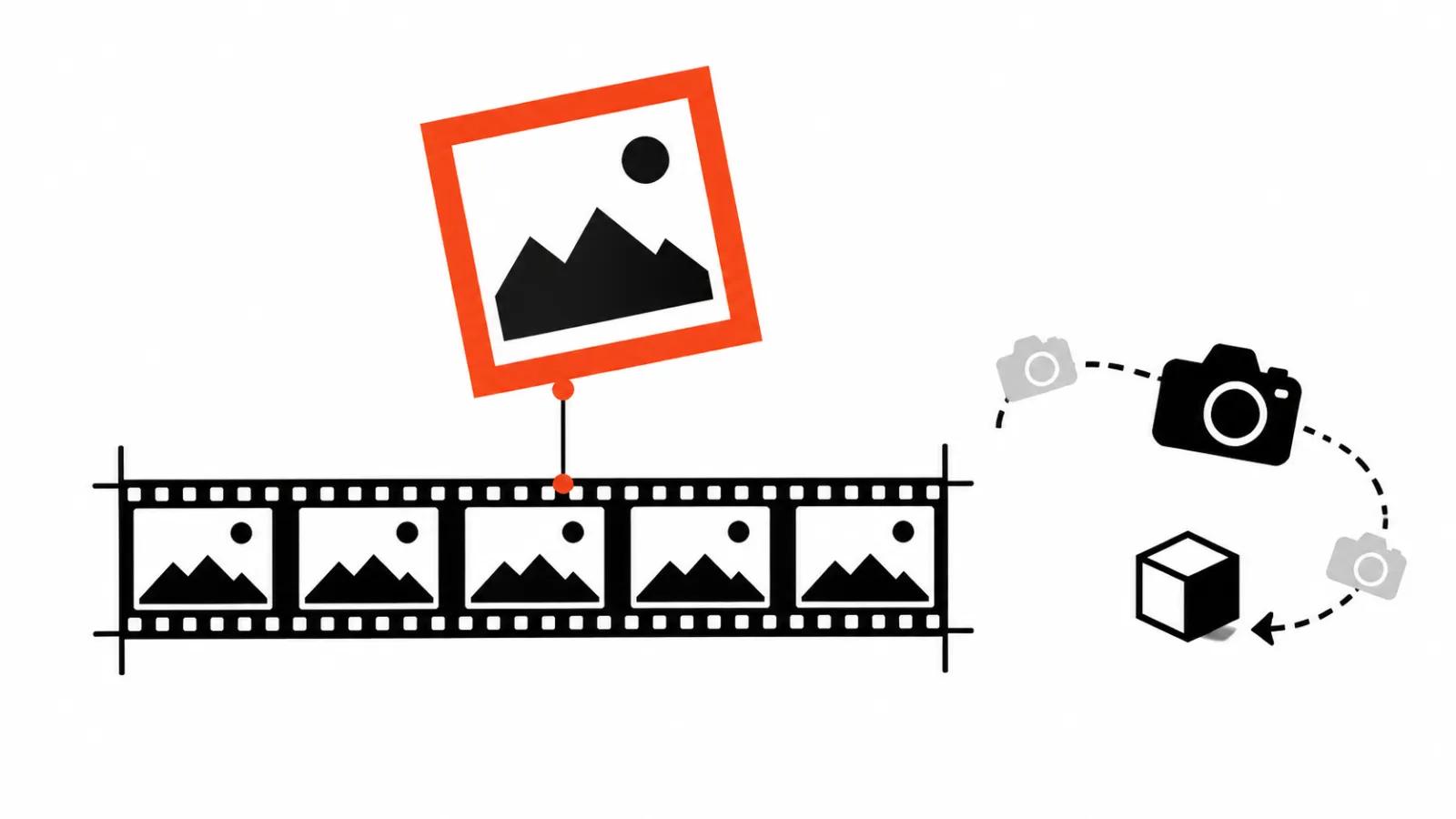
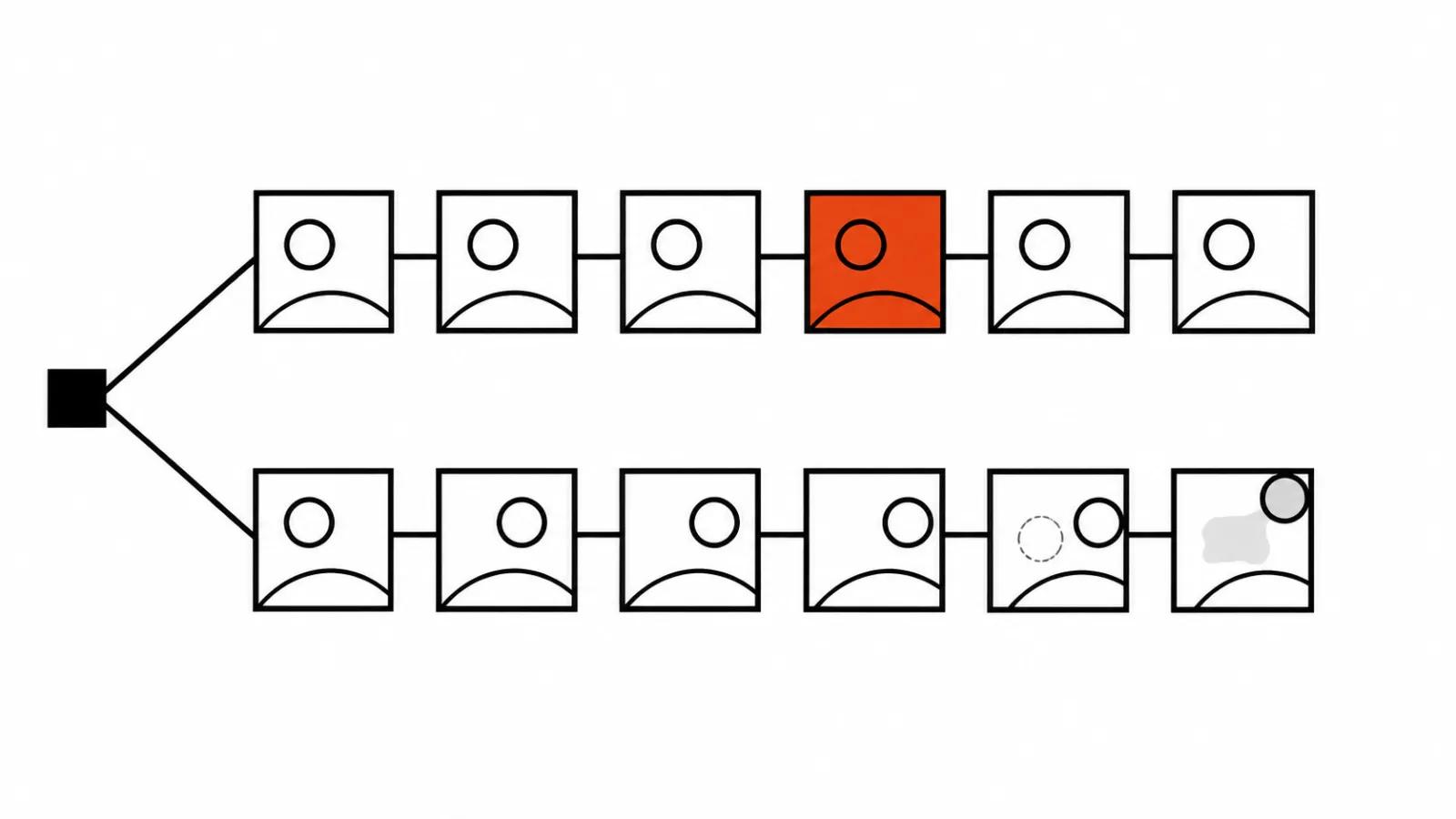
The scheme is simple, and the whole trick sits inside it. The model writes scene code: characters, camera moves, text, timing. The render is done by an engine such as Remotion, which turns that code into frames.
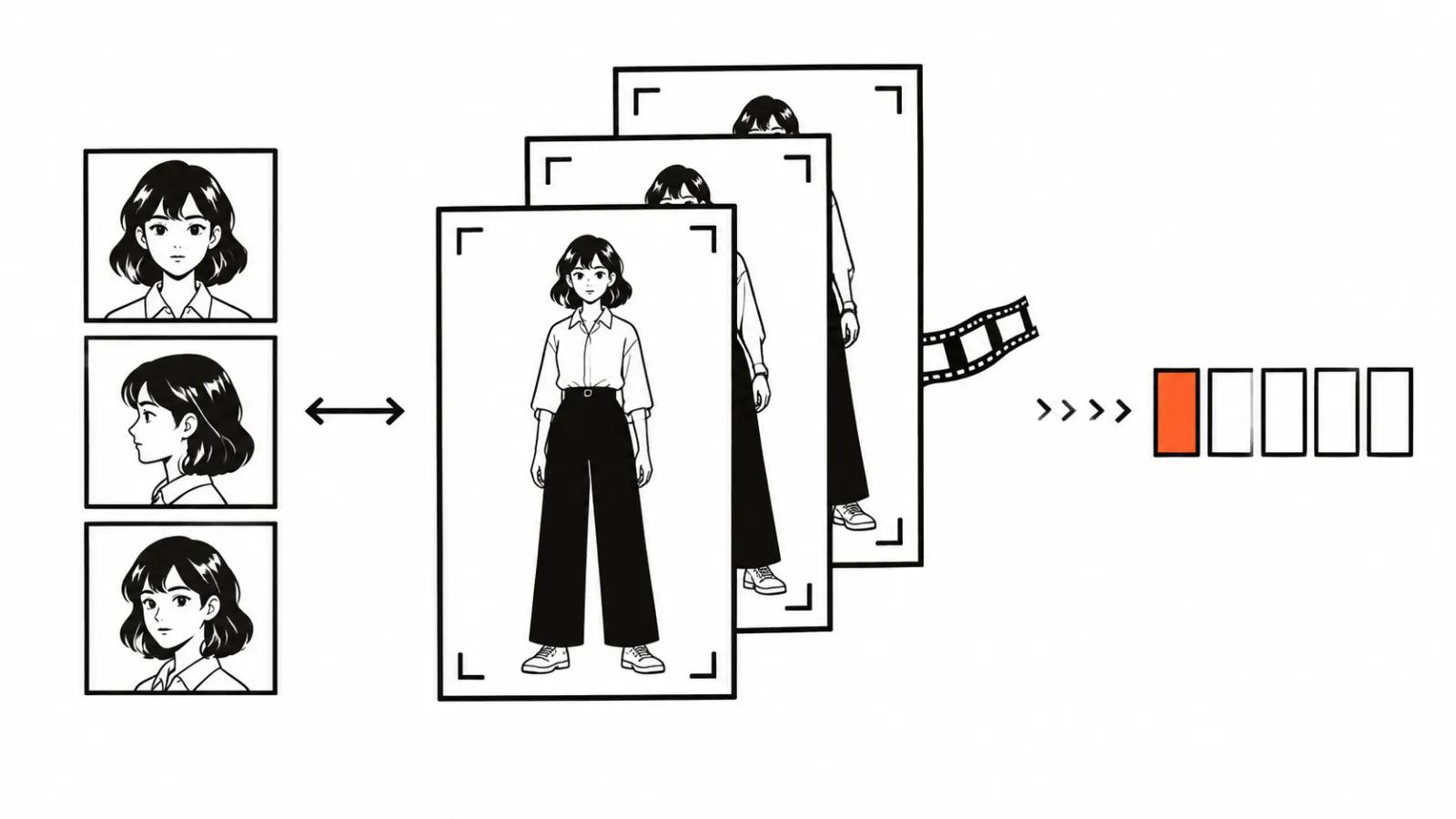
Then determinism does the work. The same code produces the same frame on every run, so a character does not drift between scenes. For an explainer that matters more than photorealism: when the screen holds a diagram and a caption, viewers forgive a cartoonish figure, while a face sliding off the skull ruins the clip.
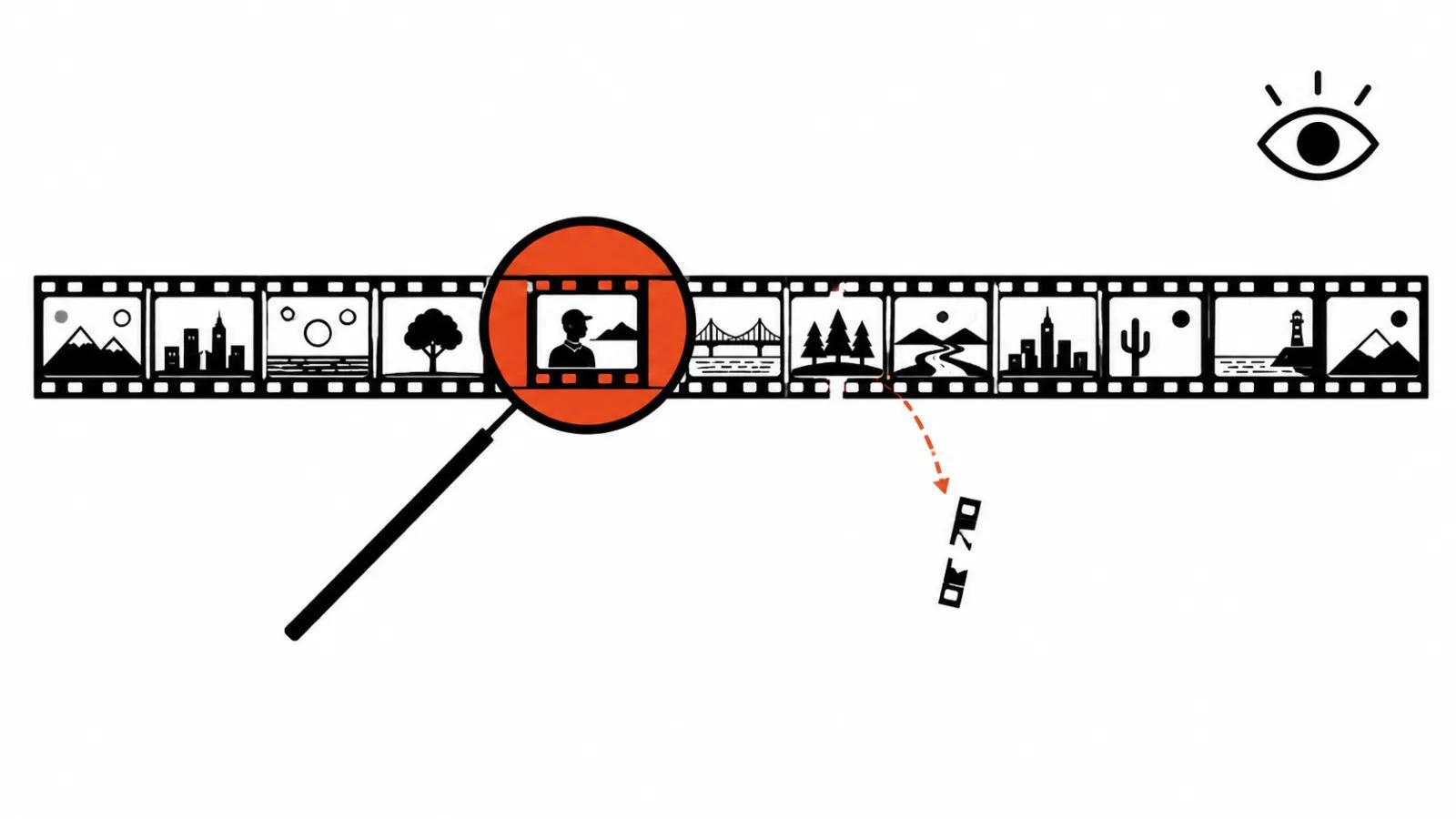
A video model works the other way. It guesses the next frame every time, and each guess drifts from the last. That is where the familiar artifacts come from: hands, jewellery, lettering on a shirt that mutates in the background.
A studio out of fourteen repos and a 44-style skill
Nobody writes the engine from scratch. Creators assemble "studios" from open repositories: Remotion, Blender, GSAP, FFmpeg, HyperFrames, plus skills for Claude. Florence (@flxrnc) posted a "14 repos" list that reached about 119,000 views.
Another example is the open vibe-knowledge skill for Claude Code, which builds a short knowledge video from a topic and fact-checking through to voiceover, with 44 visual styles inside. GitHubDaily wrote it up.
The lesson from that list is blunt: buying a finished service is optional. The barrier moved to a different plane, and now it sits in reading someone else's code and in taste for motion.
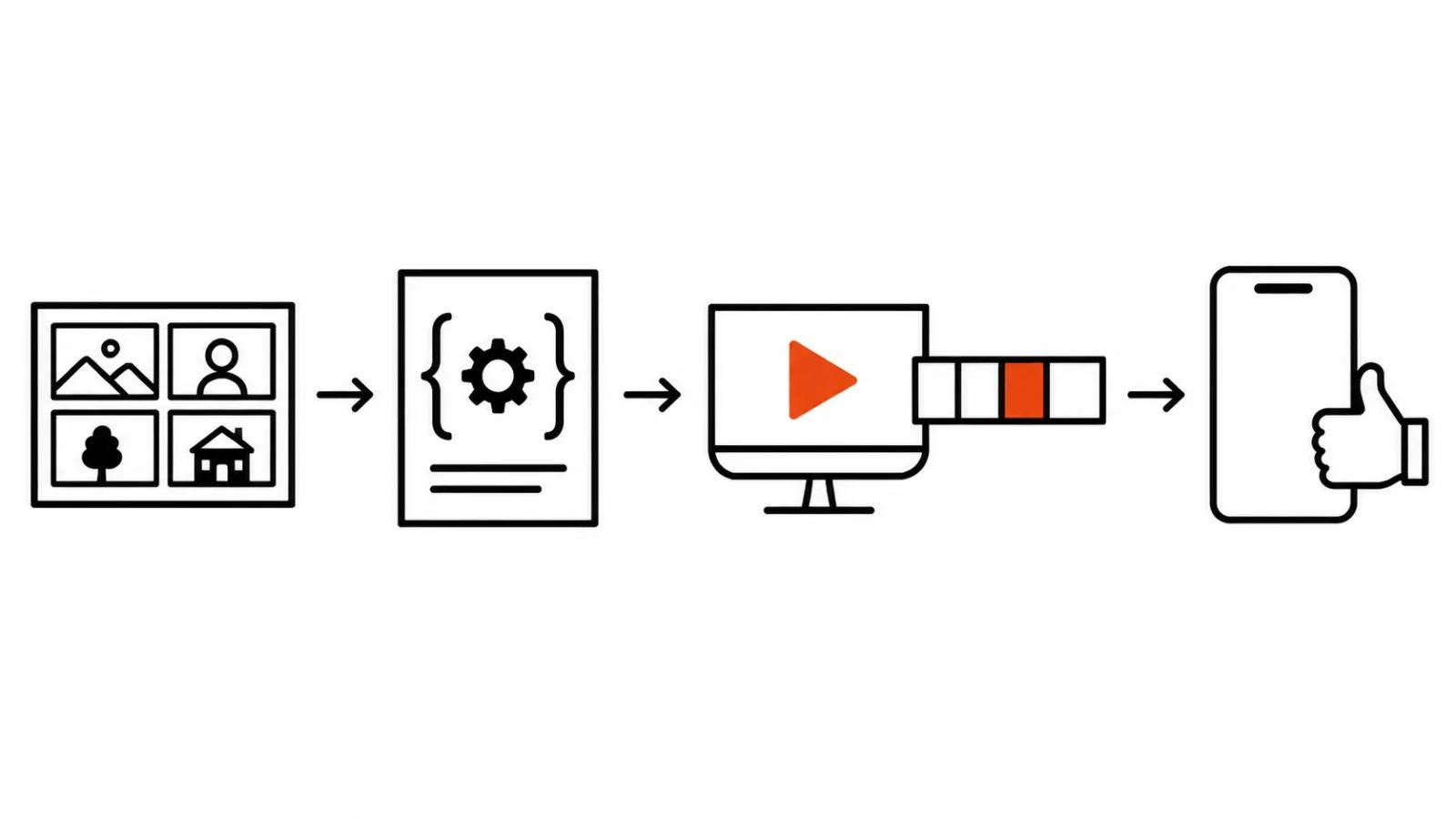
How to make animation with an AI model in four steps
By hand it looks like this.
Step one: one idea for fifteen to thirty seconds and a script of three or four sentences. The clips in this wave hold to a single thesis, and that is their strength.
Step two: a shot list in words, where each shot has an action. The model translates descriptions well: "the circle slides in from the left, the caption appears letter by letter".
Step three: the scene as one code file. Claude writes the component, you watch the preview and adjust numbers: durations, coordinates, font size.
Step four: render 1080 by 1920 and check on a phone. Small type looks fine in a browser preview and disappears on a handset.
Where code loses to a video model
The borders are honest. Seen this way, animation through AI is strong where precision matters: explainers, infographics, diagrams, simple characters, repeatability frame to frame. An ad with figures gains from a caption that keeps its shape to the end.
Live footage, emotion and cinema are out of reach. A face built from code stays vector-flat, skin does not breathe, light does not fall. For ads with a human face and for drama you still need video models, or a camera.
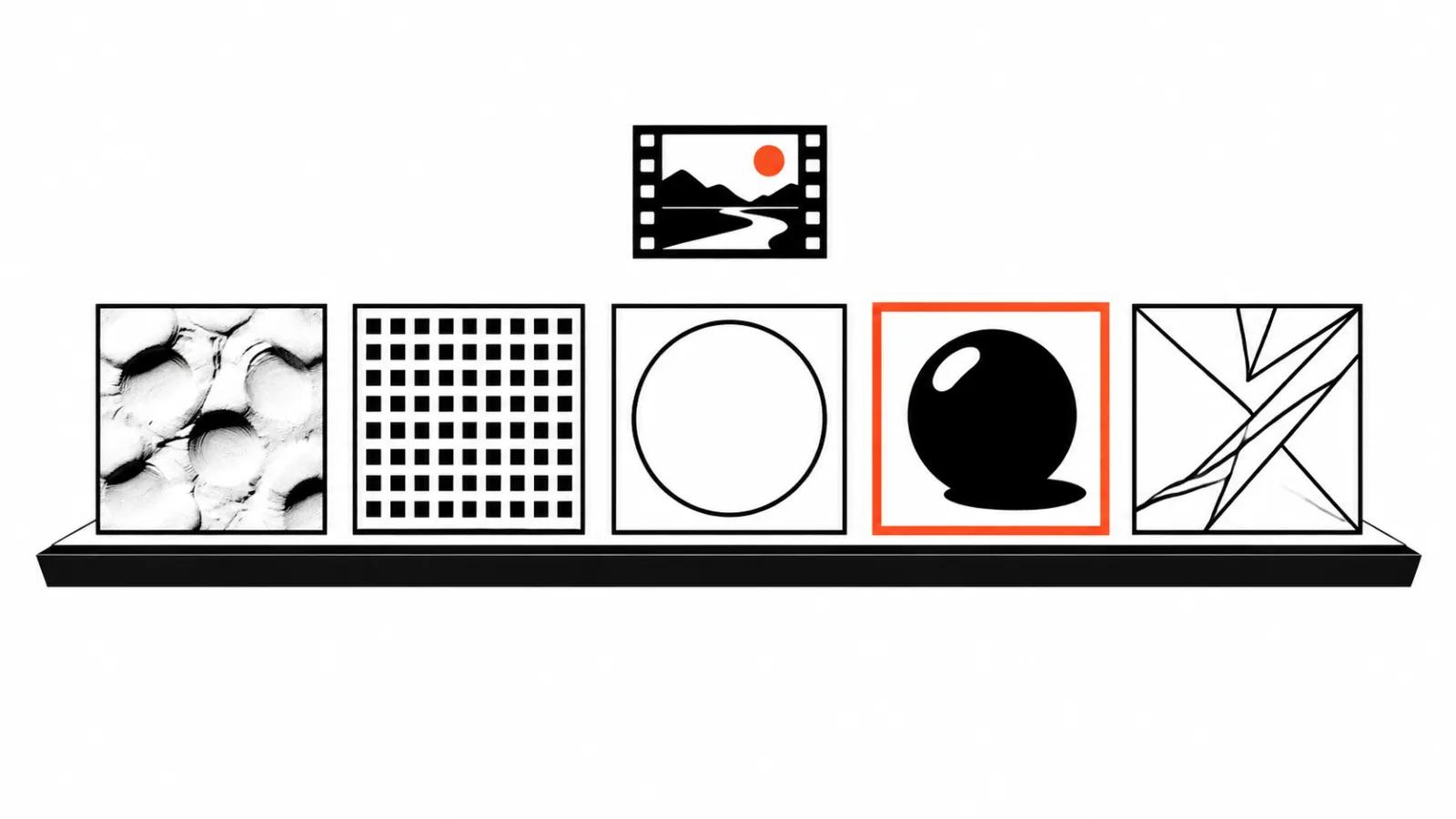
The second flaw the tracker itself notices: everybody's templates look alike. The same repo stack yields the same look, and a feed fills with near-identical clips.
The third flaw is the entry threshold. Code is code: dependencies, versions, build errors. Someone who has never opened a terminal will not rebuild the stack in an evening.
We covered the neighbouring route earlier: code-to-video with DeepSeek solves a similar problem in a different way, and the comparison shows which tool fits which job.
AI shorts: what changes for a channel
For a channel this is one more slot in the grid. A forty-second clip about a single concept costs less than a shoot, needs no actor or location, and can sit between long episodes.
Count hours, though, and treat generation credits as a rounding error. One clip a week is a solo job. A series of thirty explainers a month needs a writer, a motion designer and an editor, and that is a project. Chat windows do not deliver that on a Tuesday night.
That is where an AI YouTube channel comes in: from $200 per month, with script, voice and edit running as one process. If the clips are ad creatives and versions at volume, AI video production fits better, since script and assembly already sit with the team.
My take
I would take this approach for explainers and infographics, and leave it out of emotional storytelling. It buys predictability a video model cannot offer: one edit in the code changes a single detail, and everything else stays put.
The wave is also new, and that belongs in the calculation. In a month the house style may wear thin as fast as it arrived. The creators who win will add their own mark: a brand palette, their own type, their own rhythm.
One last thing. A tool does not replace a script. Code draws what it was told, and if the clip has no thought in it, moving circles will not invent one.