What landed on November 20
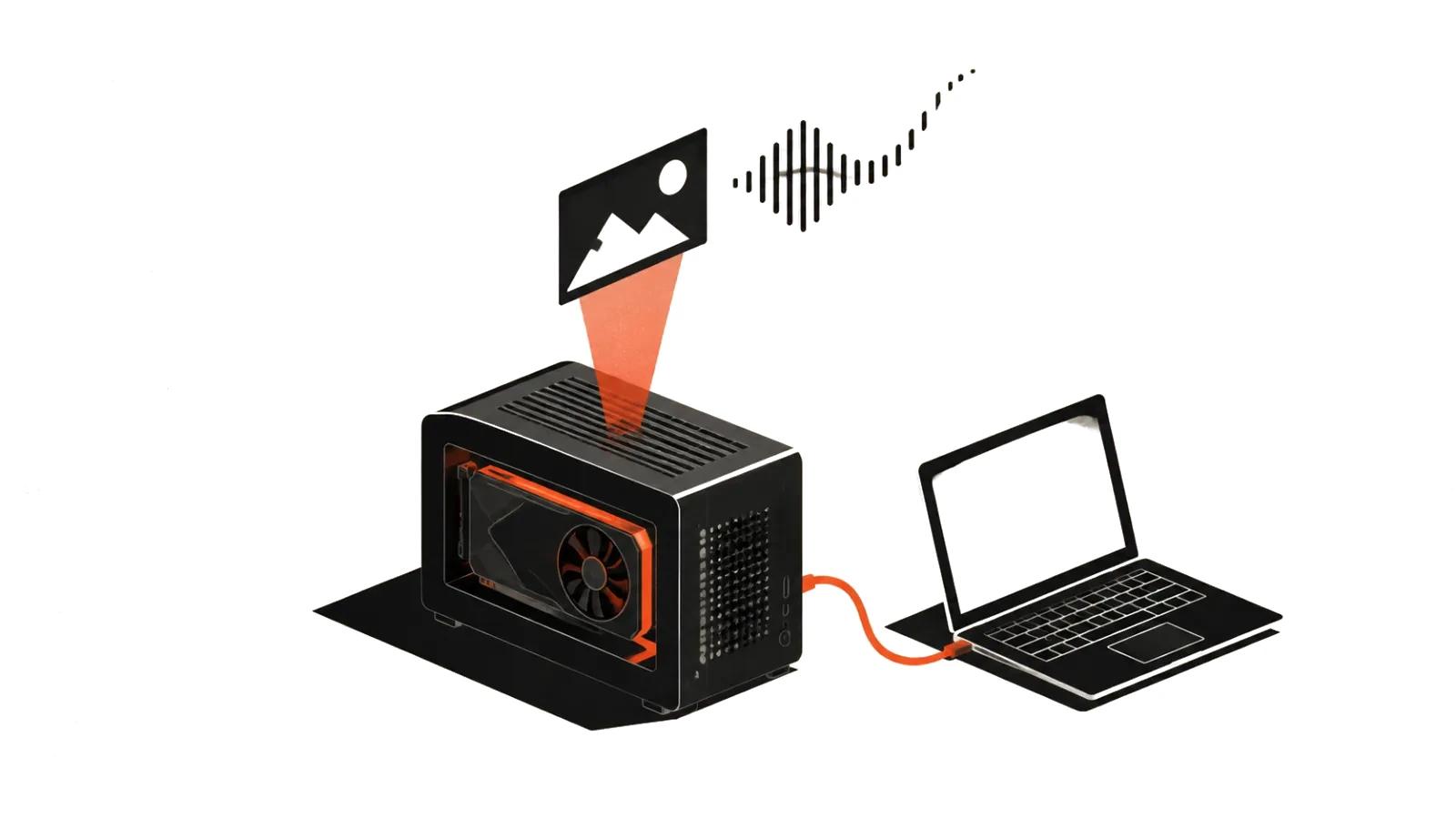
The post on the ElevenLabs blog, written by Joel Ostdiek, is dated November 20, 2026. It covers Ads Engine, a tool inside ElevenCreative. The update added two things: variants of a video ad that already performs, and localized versions of it. A variant means a new opening hook or a new soundtrack, and localization means dubbing plus translated captions.
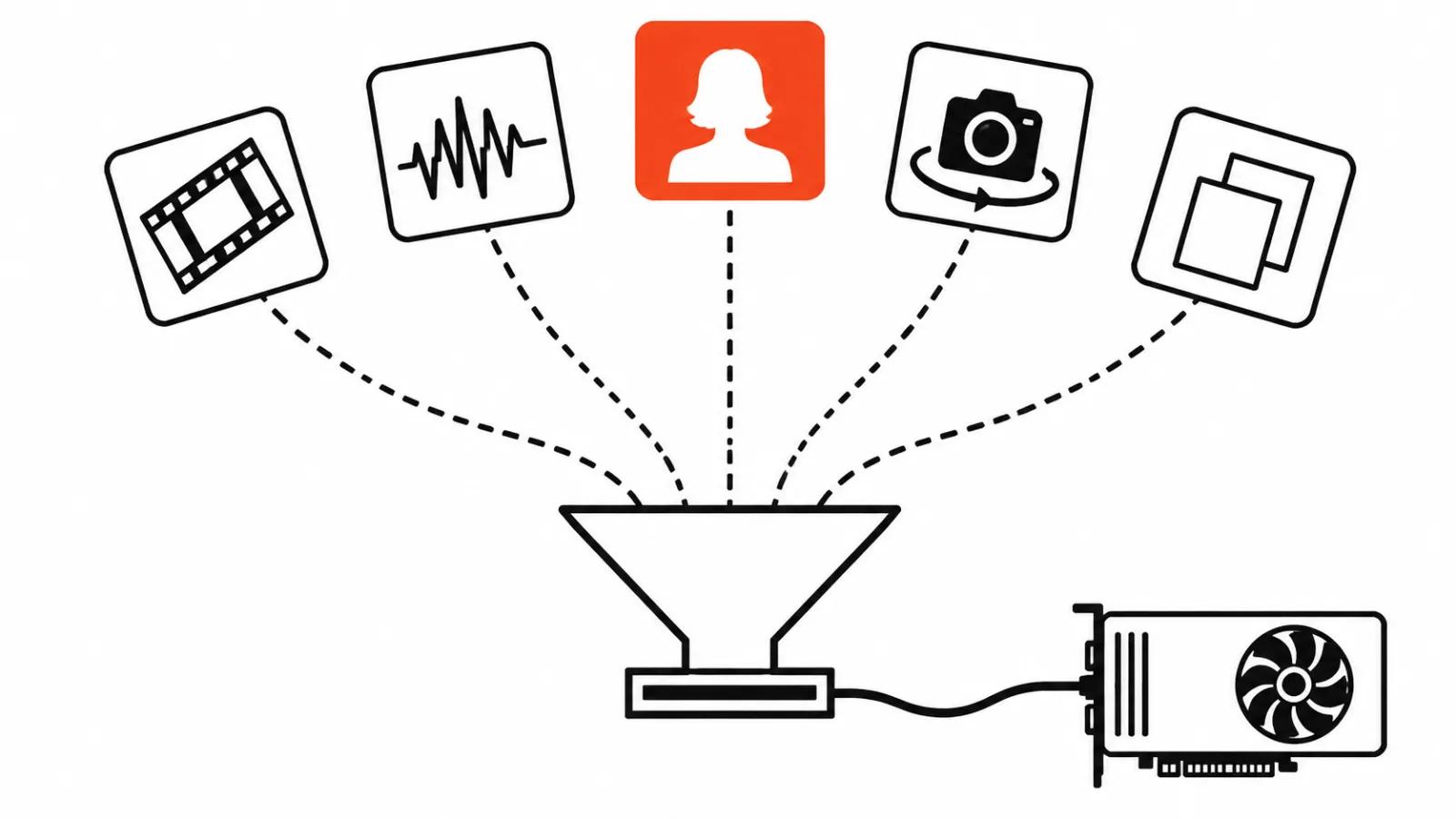
Ads Engine connects to ad accounts on Google, Meta and LinkedIn, and now TikTok as well. Work starts from existing creative and its performance data, which means the service begins with what already earns a response.
The post states the motive plainly. Video ads drive the strongest results and are the slowest and most expensive to produce. Testing a new hook or entering a new market used to require a reshoot. Two habits follow from that cost: some brands make fewer variants once an ad fatigues, and some run original-language ads globally.
A new hook in the speaker's cloned voice
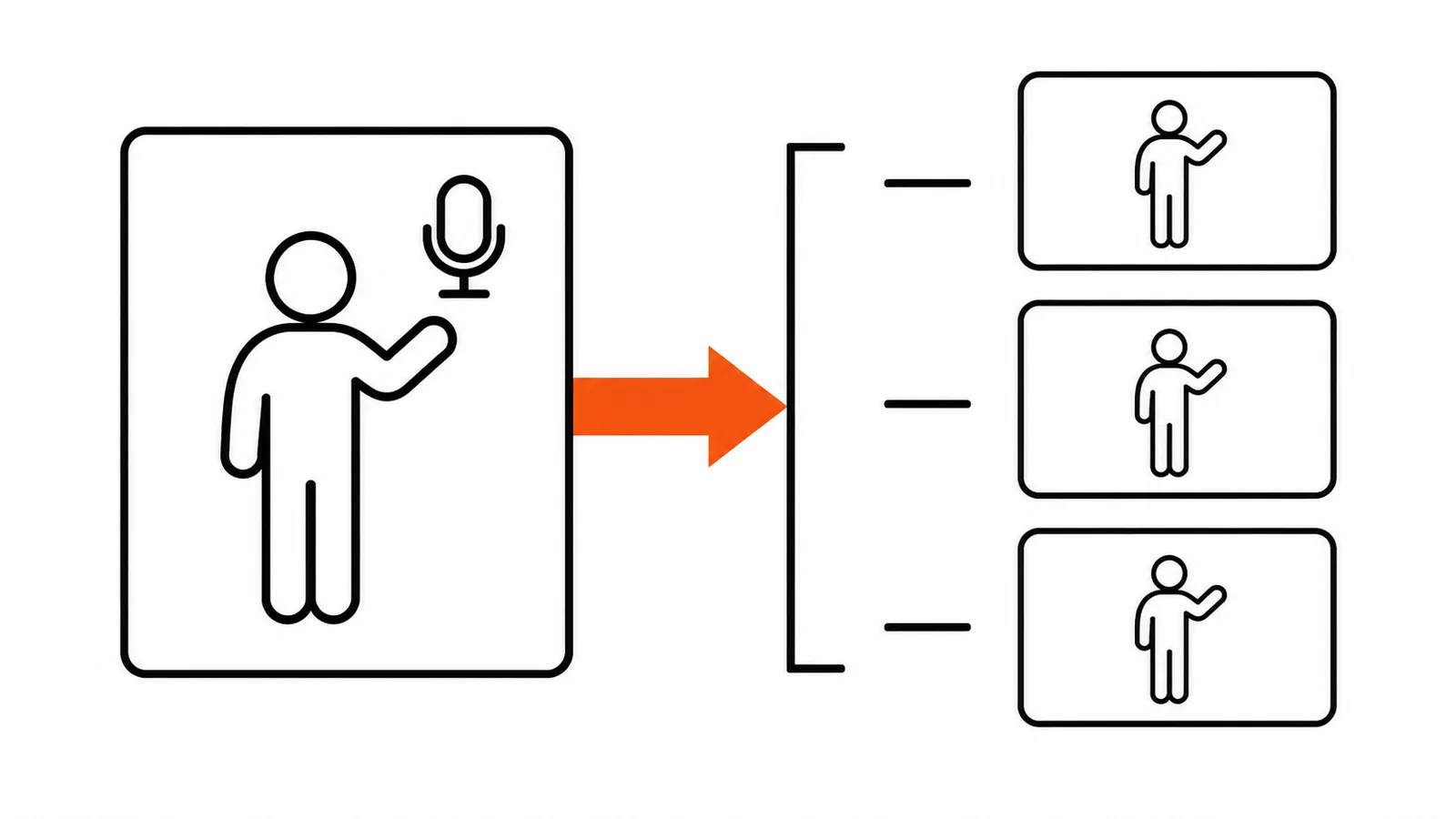
The mechanics of the hook are these. The service finds the opening hook of an ad and writes new ones based on what worked in past ads. The voiceover for each new hook comes from a digital voice replica of the original speaker, preserving tone, emotion, delivery and personality. Then the speaker is lip-synced to the new voiceover and the captions are updated so picture and text match the new audio.
The saving does not come from generation. It comes from testing a hook without a shoot: the cut, the light, the location and the performance stay as they were and only the entry point into the ad changes. In that setup AI video ads get a second and a third life, and that costs less than building creative from zero. Generation here is secondary, while the fact that a hypothesis gets tested on material that already exists is the whole point.
One caveat on this part, and it is a serious one. A voice replica and lip sync are exactly the zone where viewers notice a substitution. The ear catches unnatural intonation on a long line, and the eye catches lip mismatch on a close-up. A short hook survives that swap better than a monologue, which is an argument for building the first variant out of short lines.
Soundtracks, sound effects and the license
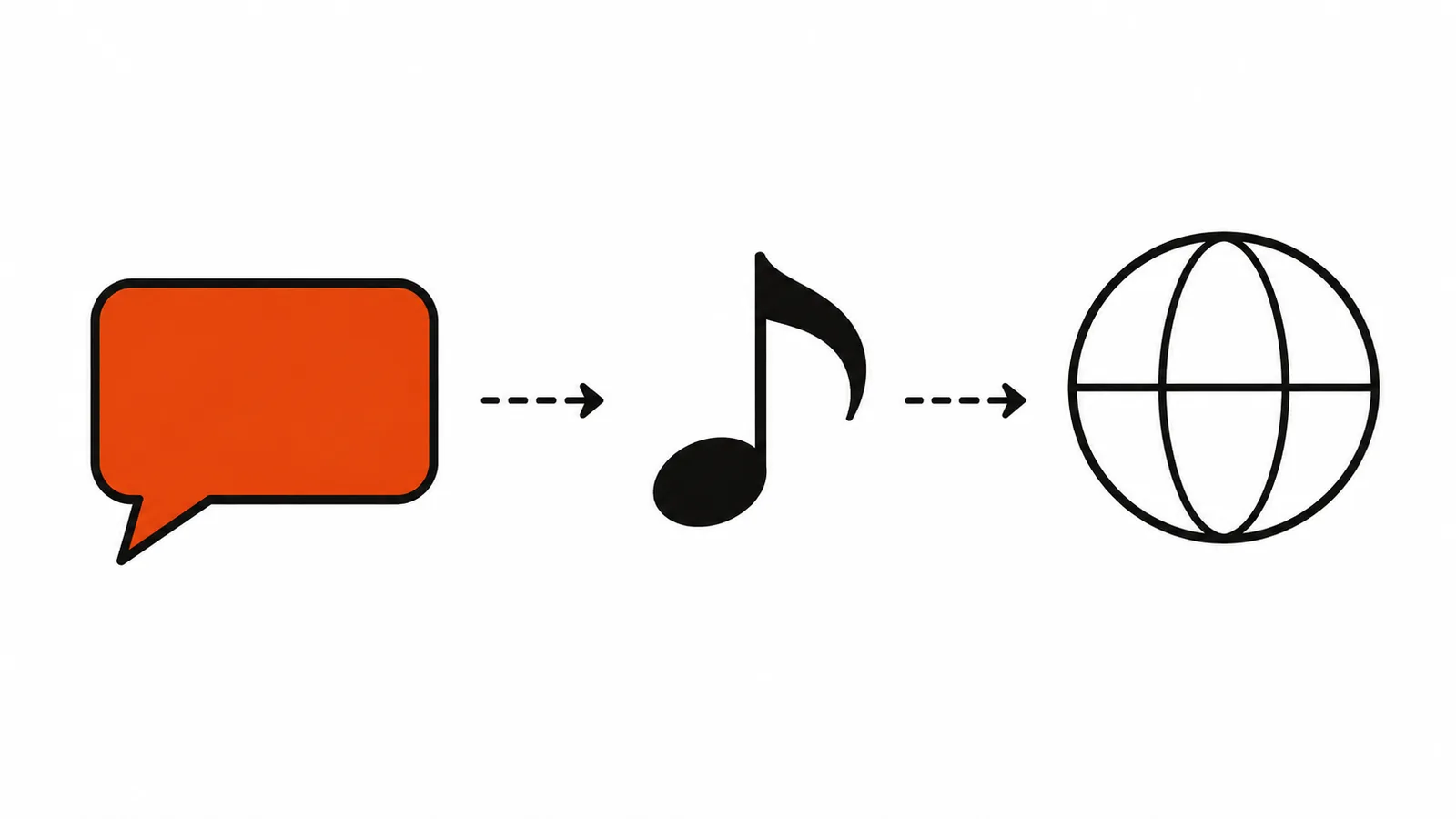
The second variant is music. The track is generated through the ElevenLabs Music API, which analyses the tone, pace and emotion of the visuals in the original ad. Sound effects land on key moments, and the post gives one example: a whoosh on the end card. The new soundtrack is cleared for broad commercial use, so the rights question closes inside the service.
Replacing the track solves a different problem than replacing the hook. An ad does not always fatigue because of its opening: sometimes the melody itself wears out, sometimes it clashes with the platform, sometimes a series runs on one track and the whole set starts to feel old. A new soundtrack changes the feel of the ad without touching a single frame.
The license covers the music, and the speaker's consent for a new version is not described in the post. That step stays with the team, together with the question of whose voice is heard in the ad after dubbing.
Localization of video ads: Dubbing v2 and captions
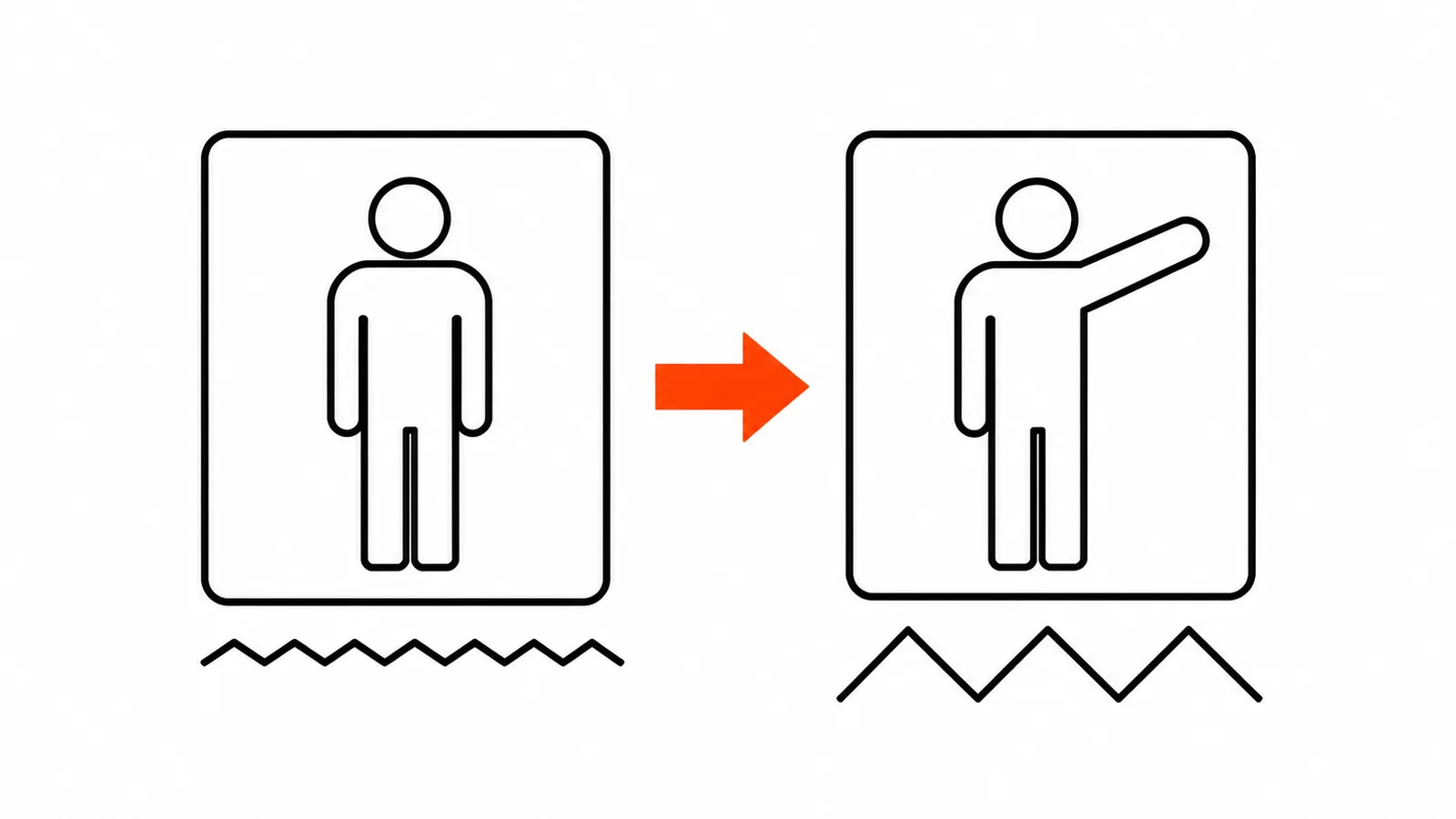
Dubbing v2 handles the translation. It translates and dubs the ad, adapting phrasing and meaning for each language while preserving the speaker's delivery, tone, emotion and timing. Then the speaker is lip-synced to the new audio so the ad looks recorded in that language.
The operative word in the vendor description is phrasing. A literal translation of an ad reads like an ad from another decade: the words are right and the rhythm is foreign. Adapting meaning per language is what removes that accent. How well it holds on a specific pair of languages only shows on the finished file, and the general logic of that work is covered in AI video translation and dubbing.
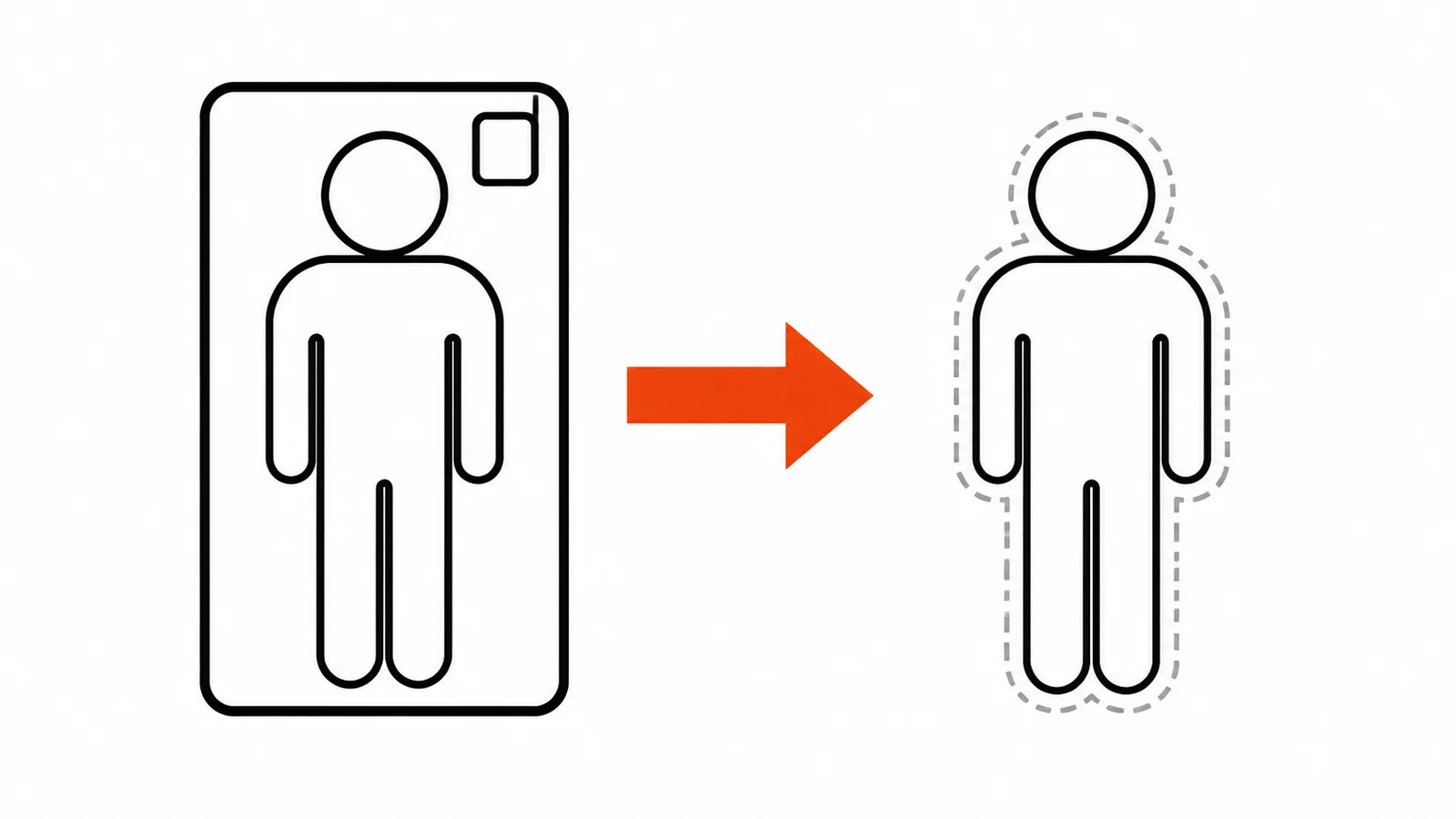
Captions follow. Burned-in originals are removed and re-rendered in the new language with the original timing and the brand fonts. For a series of ads this matters more than it sounds: font and caption placement are what keep a set of ads inside one visual system. The same vendor ships a standalone tool for this, covered in Dub & Sync, and the general rules for subtitles sit in AI subtitles for video.
Reviewing a localized ad
Human review stayed an option. It can be switched on per ad, including review by a native-speaking localization professional who checks dub accuracy and the pronunciation of brand and product names. The finished creative either comes back to the team for approval or goes straight to the ad platform.
The order of review is worth fixing before the first run. First the hook is heard on its own, away from the picture: if the intonation gives the synthesis away, nothing else matters. Then close-ups on long lines, where lips and audio drift apart. Then captions: originals removed, new ones matching the timing, brand font in place, text uncropped in a vertical frame. Then names: brand, product, model, plan. A native speaker listens to those separately, because that is where the machine fails most quietly. Sound and action come last: music and the effect on the end card, overall level, no dips between lines, and a call to action that matches what the click actually does on that platform.
Monitoring arrived in the same update. The service watches performance and flags creative that is starting to fade, so a refresh gets ordered before results drop. In practice that flips the conversation: a refresh stops being a reaction to a failed campaign and becomes a scheduled step.
Where video ad variants stop
The first limit is simple. Ads Engine starts from an ad that already exists, so weak source material stays weak: a new hook improves the entry into an ad that works and does not rescue one whose middle sags. If the offer is the problem, a new opening will not fix it.
The second limit is scope. A refresh produces variants of one ad. Running video versioning across several placements is a different job with its own aspect ratios, durations and first-frame rules. Localizing one spot into several markets does not produce that set.
The third: review is optional. Leave it off and all quality control stays inside the team, and the question of who listened to the dub with a native ear is left hanging. That question needs an answer before launch, not after the first comments arrive.
The short version. An earlier update added human review to Ads Engine, a conversation about translation quality covered in the earlier write-up on Ads Engine. The November 20 update widens what can be done with an ad that already works: its hook, its track, its language. The working order barely changes. Take an ad that showed results, change the entry, then the language, and put every file through review. That cycle costs less than a reshoot and asks for the same discipline as ordinary production.