What the filing actually describes
The 404 Media piece ran on November 24, 2026. The patent application was first spotted by Patentlyze, a site that tracks tech company patents, which passed it to the publication. The filing is titled "creating a channel of video experiences tailored to a user."
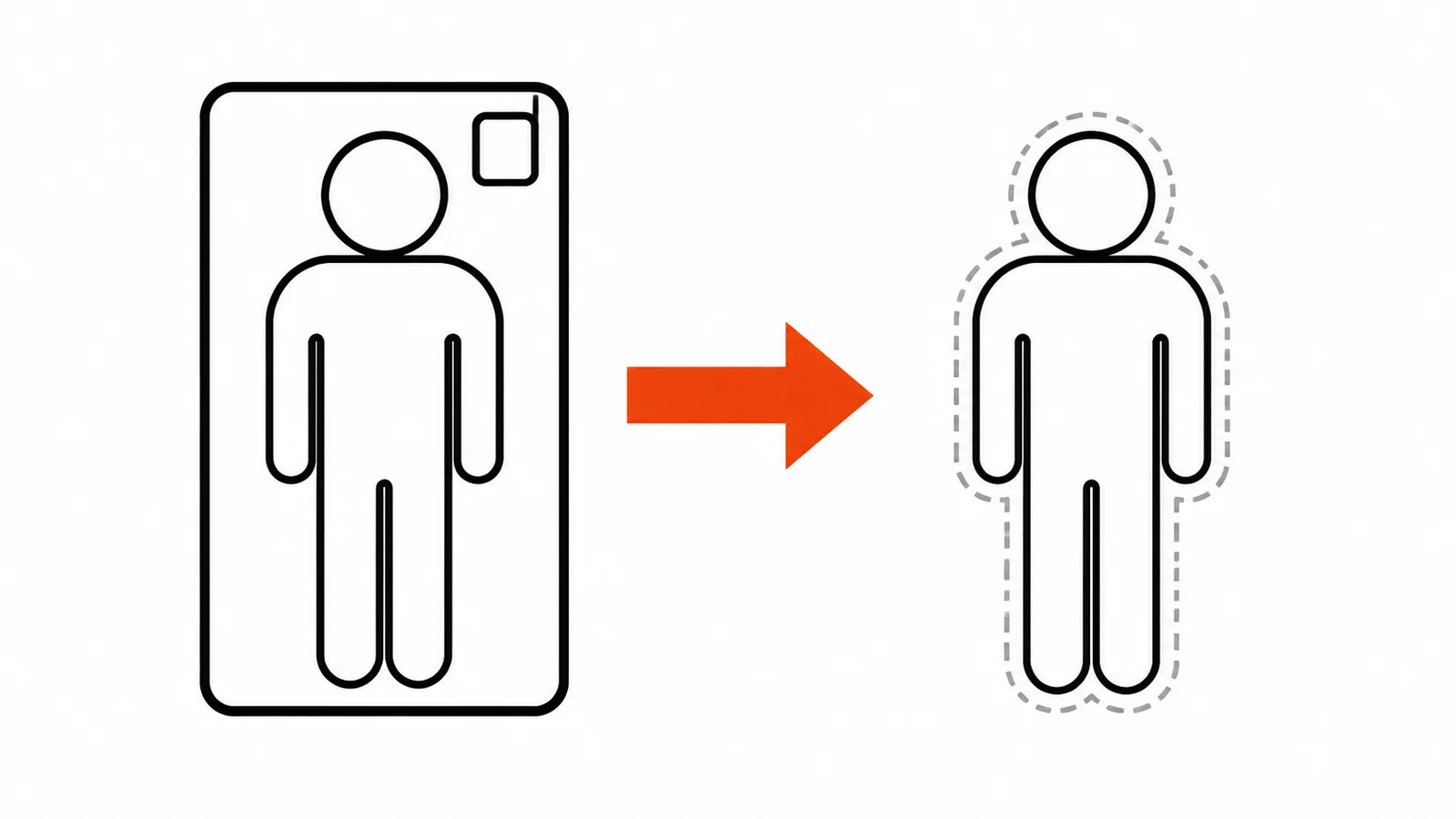
Inside, the description names a channel called "My Channel," filled with generated videos, with the viewer turned into "the protagonist for the whole video." The text quoted in the article addresses a model directly: "You are a customized video generating model. Generate a customized video for a user." The article presents that line as an instruction to a model, and the distinction matters. A patent filing describes a way of assembling content, and it carries no product launch date.
There is no registration date, no application number and no timeline in the article. So the logic is open for discussion and the release calendar has nothing behind it yet.
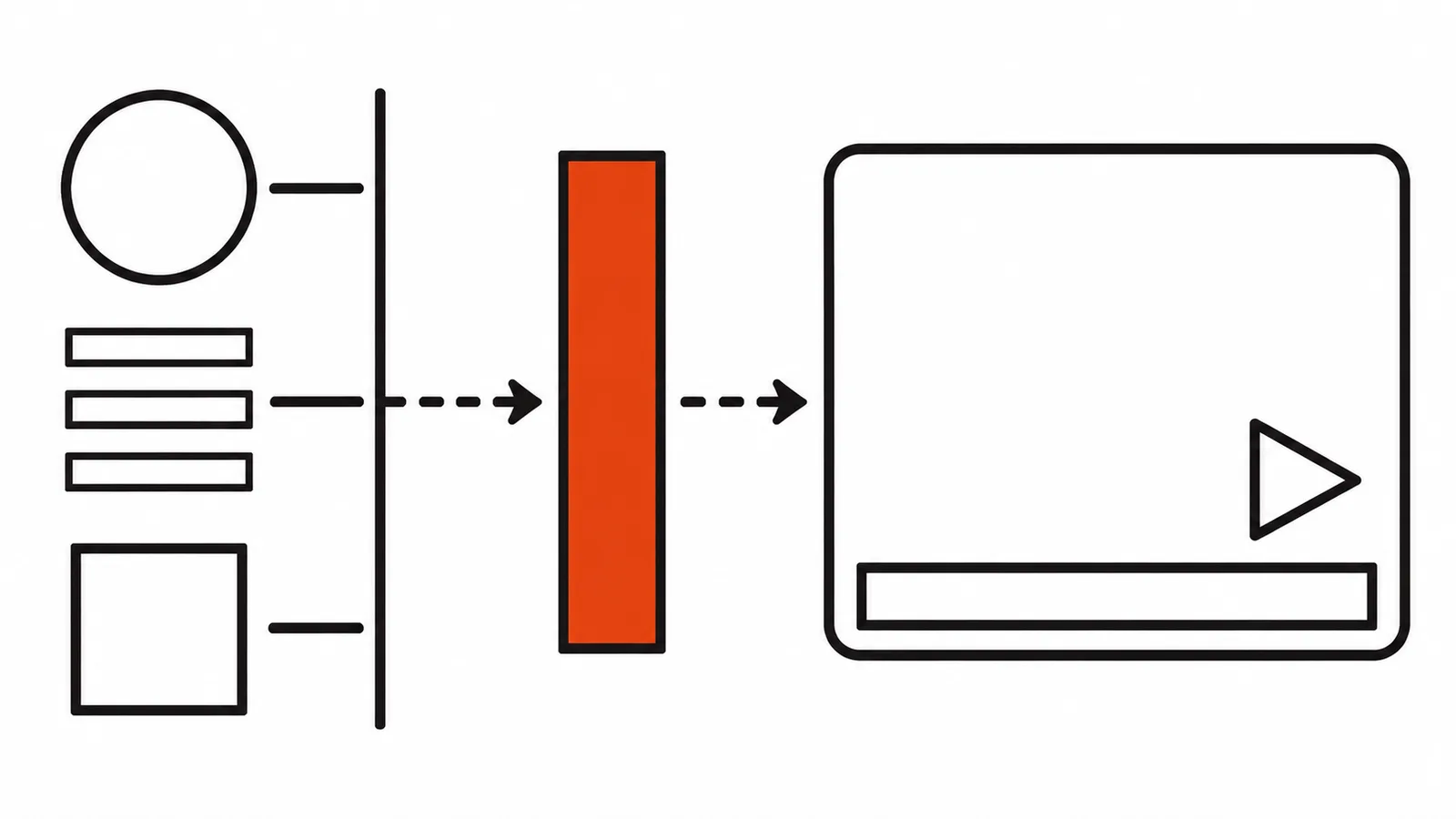
The three inputs behind the channel
The first input is demographic data. The second is watch history, which 404 Media describes as presumably coming from YouTube. The third is other information the company holds about a person.
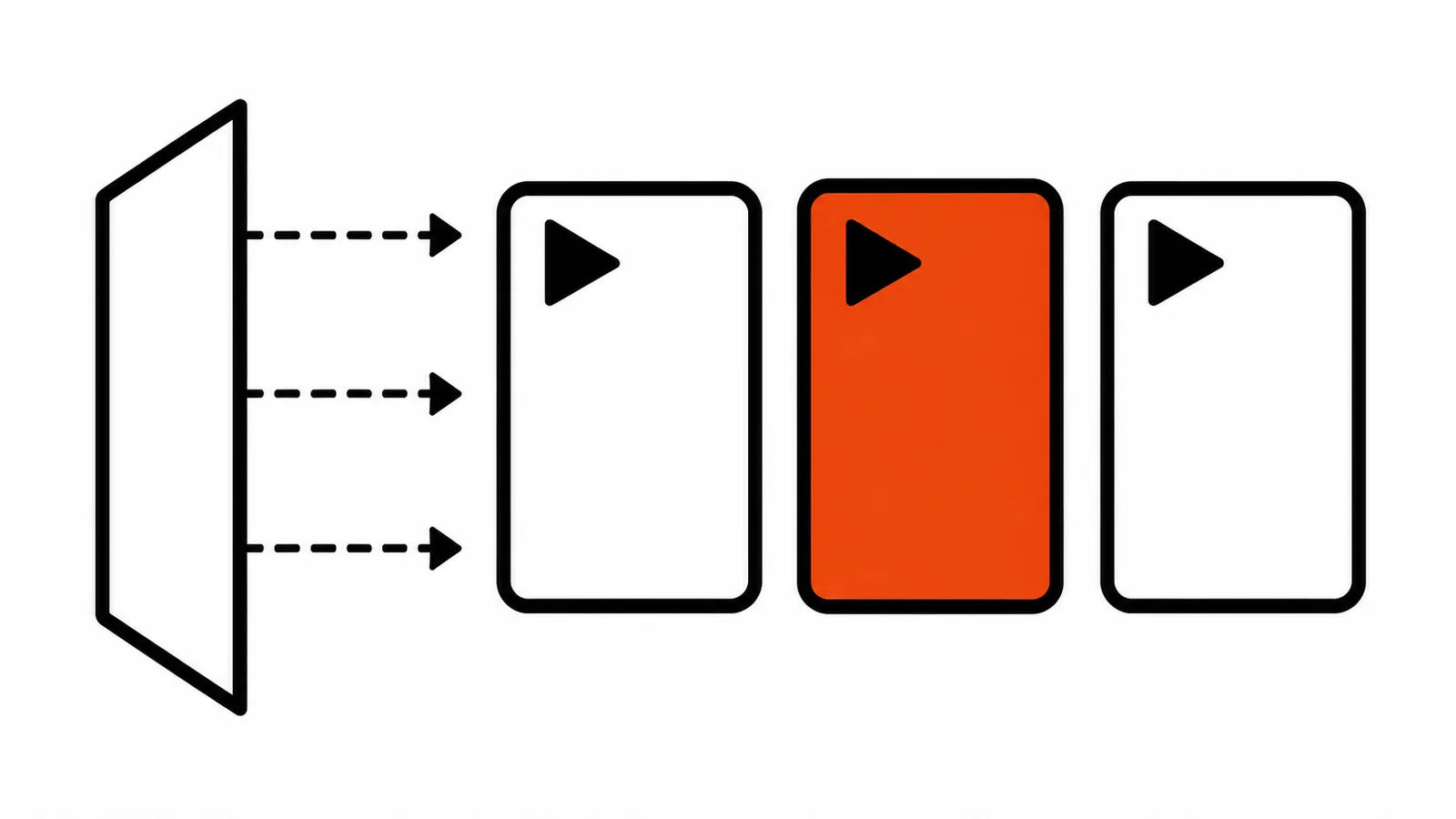
Those three collapse into a profile, and the profile drives everything else: genre, style, format, plot. There is no author with an intention in this scheme. There is a set of user parameters and a model that assembles an episode from them.
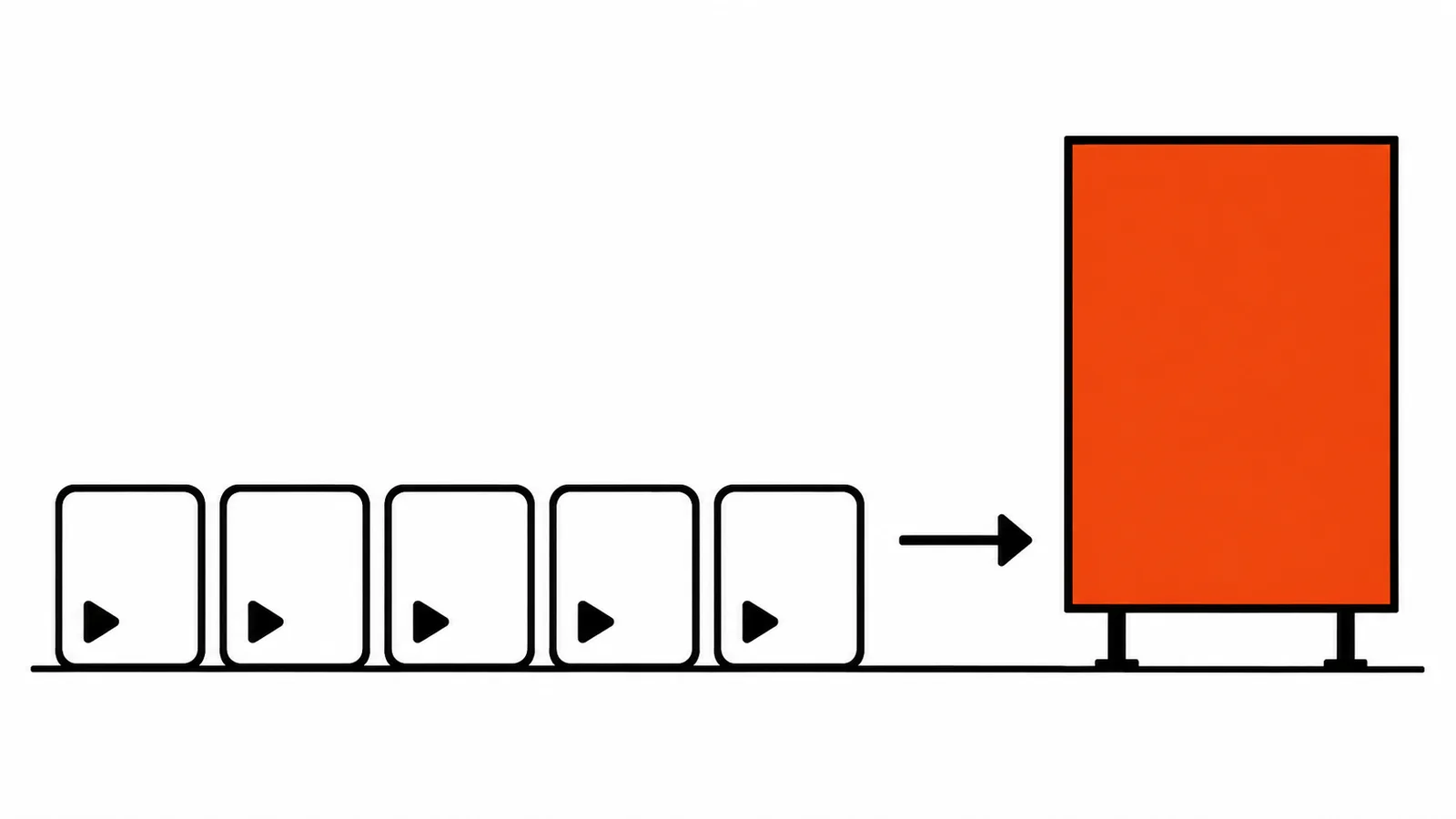
The first practical consequence follows from that. When a channel is built on a profile, value shifts from one good clip to a system that produces many different versions. A single video becomes a sample from a distribution.
Why "you are the hero" is really about advertising
The word hero suggests cinema and a story someone wrote. The filing leans somewhere else. According to the article, the channel includes advertising tailored to the user, and that advertising sits inside the same generated material.
The difference is structural. A normal clip and an ad break are made by different people at different times, and the viewer sees the seam: the story ends, the block starts. When the story and the insert come from the same profile through the same model, the seam can disappear entirely. At that point, the line between show and commercial rests on platform rules and labeling alone.
What an ad creative consists of and how versions get built is covered in the piece on ad creative versions. The relevant point here is that in this filing the ad and the content share one data source.
The second layer of the same logic touches production. Personalized video advertising needs a set of versions per campaign, and that moves the budget more than any single generation model does.
How this differs from a recommendation feed
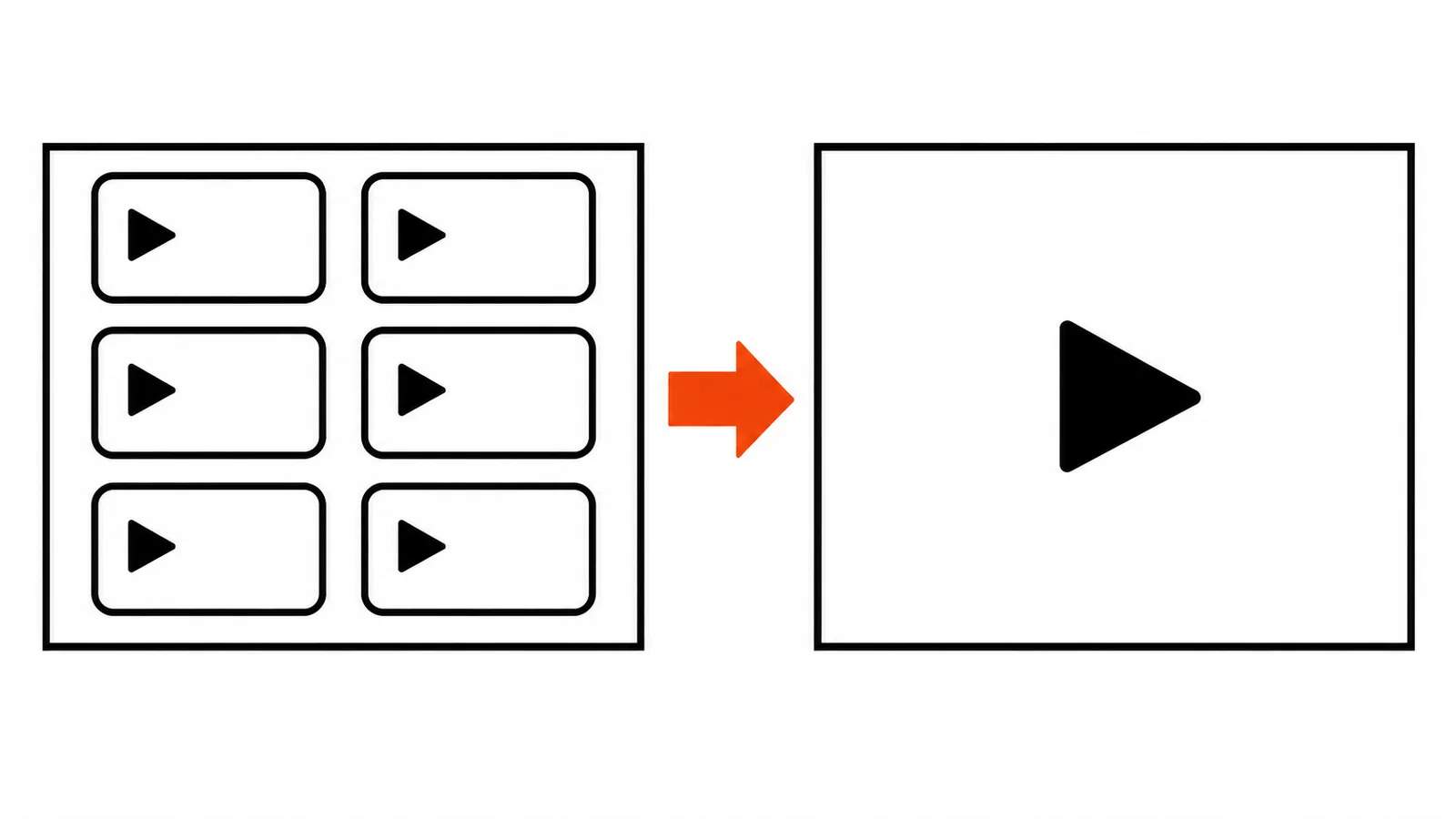
A recommendation picks from a finished library. There is a catalog, an algorithm that selects from it, and a hard limit: you can only show what has already been shot.
The filing drops the library. The clip is created for the person, so the catalog limit goes away and a data limit takes its place. The quality of the feed then depends on how complete the profile is. A recommendation fails by choosing wrong, a generation fails by getting the content wrong.
A different delivery format got its own breakdown earlier: Gaussian splat streaming is about how video is packed and transmitted, while this filing is about what gets shown. Those are separate layers, and mixing them up leads to bad forecasts.
What a filing like this changes for video work
First, the number of versions. If the ad is fitted to a segment, one campaign needs a set of clips. AI video ads in that scenario become a matrix: one story with different openings and endings for different segments.
Second, likeness rights. A viewer as the protagonist means a person or something close to one appears on screen. Written consent for likeness and voice belongs in place before the first render, and it covers more than a hired actor: any real face that lands in a generation is in scope.
Third, labeling. A clip assembled by a model needs a disclosure that AI made it, and that disclosure has to reach the caption and the file itself. At hundreds of episodes, labeling stops being a final touch and becomes a step in the pipeline, sitting next to the render.
Fourth, the budget. Published rates for this kind of work run: manual videos from $190, short-form volume up to $2.40 per 1000 views, a managed channel from $200 per month. AI video production then gets interesting through the cost of a version: the more segments, the more each extra assembly matters.
Why a patent is not an announcement
The caveat from the article belongs here. Tech companies file patents all the time and many never reach a real product. A filing is not a launch, and quarterly plans should not be built on a patent document.
The publication's own read is worth separating out. 404 Media sees filings like this as a signal of where AI video is heading: toward endless narrow content assembled automatically from data about a person. That is the journalists' assessment, not a statement Google made, and it works best as a frame for a forecast.
The takeaway for a client is plain. Treat this filing as a description of future demand for versions: many short assemblies for different profiles, likeness rights, and a label on every episode. A team that can ship a hundred versions of one ad without losing the message ends up closer to that model. A team that makes one film a year stays in a different niche, and that niche is not going anywhere.