Why "$0.08" is not the price of a clip
The wording on the model page is exact: "Magi 2 Text To Video starts at $0.08 per run or per second." Two prepositions in one line give two readings, eight cents per run and eight cents per second, and the card does not say which one to take as the base. Right next to it WaveSpeed adds that this is the base price and the final charge scales with the parameters set in the form: output size, length, count, references. Under the form there is a second caveat: documentation prices are for reference and may be outdated, the Generate button shows an estimate, and the actual per-call charge is what prevails.
The practical conclusion is short. The "$0.08" line works as a floor for a rough order of magnitude. It does not work as the price of a clip. The price of a clip comes from the set of parameters you choose, and the number shown next to the Generate button before you submit is the closest thing to it.
What the MAGI-2 card on WaveSpeed states
The model itself and what it delivers per run are covered in the story on MAGI-2 at 480B parameters; this piece is about the parameters and pricing on the WaveSpeed card.
Duration runs from 4 to 30 seconds in whole seconds, default 5. The prompt accepts up to 15,000 characters. There are six aspect ratios: 16:9, 9:16, 1:1, 4:3, 3:4 and 21:9. Audio is on by default, and the parameter description says it plainly: turning it off does not change the price. Seed takes an integer from 0 to 2147483647.
Working from the base rate of $0.08 per second, a five-second run works out to $0.40 and a thirty-second run to $2.40. That is arithmetic on the rate, not a confirmed vendor price list. In the corner of the form sits a reference conversion: about 12 runs per $1.
Two sibling modes exist, MAGI-2 Image-to-Video with a starting image and an optional last frame, and MAGI-2 Reference-to-Video with images, video and audio as references. Neither carries its own price in this card, so the text-to-video rates do not transfer to them.
The price per second of AI video: three parameters that move the bill
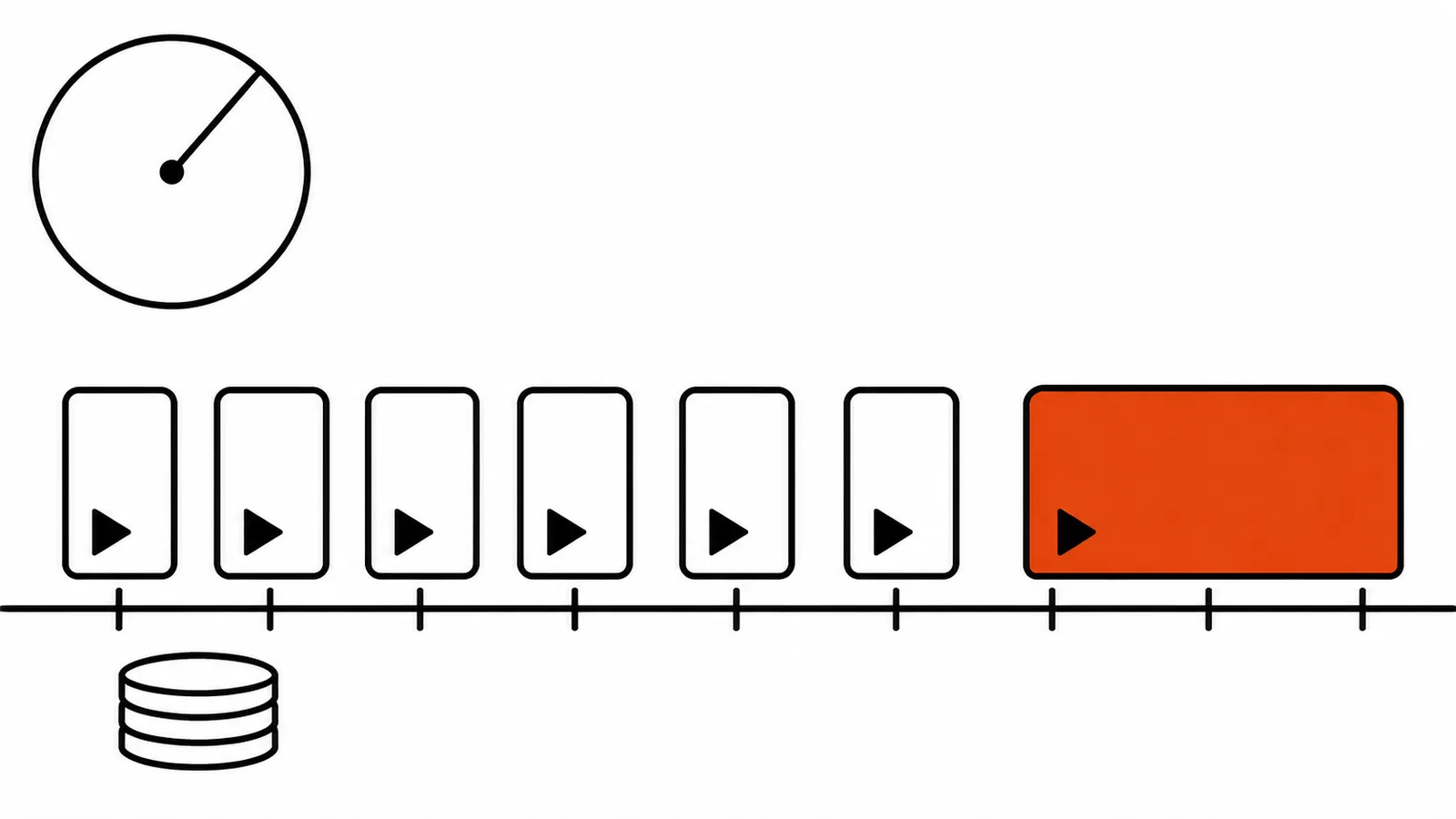
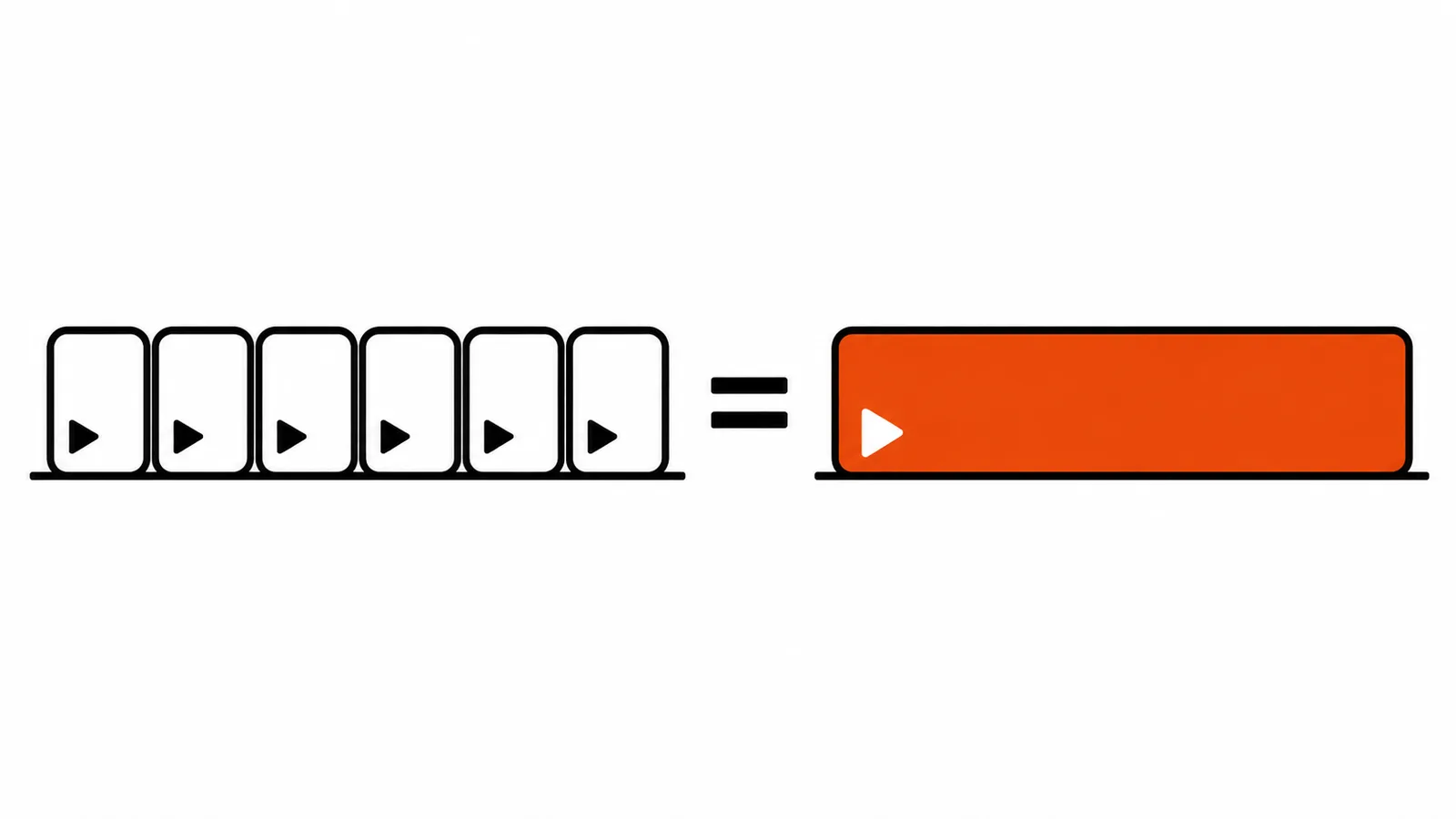
First is clip length. At the base rate the gap between five and thirty seconds is sixfold, $0.40 against $2.40. Whatever the model puts on screen is paid by the second, and one long continuous shot costs more than a cut-down set of short ones.
Second is the number of attempts. The bill is built from runs, so a run that ends in the bin still counts. The reference conversion on the page works out to about 12 runs per dollar at the base rate.
Third is the mode and the references. The MAGI-2 form can take images, video and audio as grounding for a generation, and WaveSpeed names references among the things that affect the charge. The card gives no rates for the reference mode, so a budget for such a clip stays unknown until the first run.
How those three parameters fit into the wider market is covered in the roundup of per-second pricing. The mechanics behind per-second billing on long and heavy clips are in a separate piece on why 4K video costs more.
A budget for ten clips at 5 and at 30 seconds
The arithmetic below uses the base rate of $0.08 per second from the page. It is a calculation on that rate, not a confirmed vendor price list, so treat the totals as an order of magnitude.
A 5-second clip at the base rate: $0.40. Ten of them: $4.
A 30-second clip: $2.40. Ten of them: $24.
The difference between the two budgets is $20, and it comes from clip length alone.
Then comes what a clean per-second calculation ignores. Getting a usable take usually takes more than one run per clip. If a 5-second clip takes three runs, that clip costs $1.20 and ten clips cost $12.
From there comes a straightforward comparison. $2.40 for a thirty-second clip equals six runs of a five-second one, so one long shot and a set of short retakes of the same scene cost the same. The number of runs sets the budget, and clip length only sets the price of one of them.
The 30-second clip is still the most expensive single run, and it is the worst place to get the prompt wrong. That is the argument for a short test first: five seconds with the same scene and the same settings, then the long run on a description you have already seen work.
Why turning the audio off saves nothing
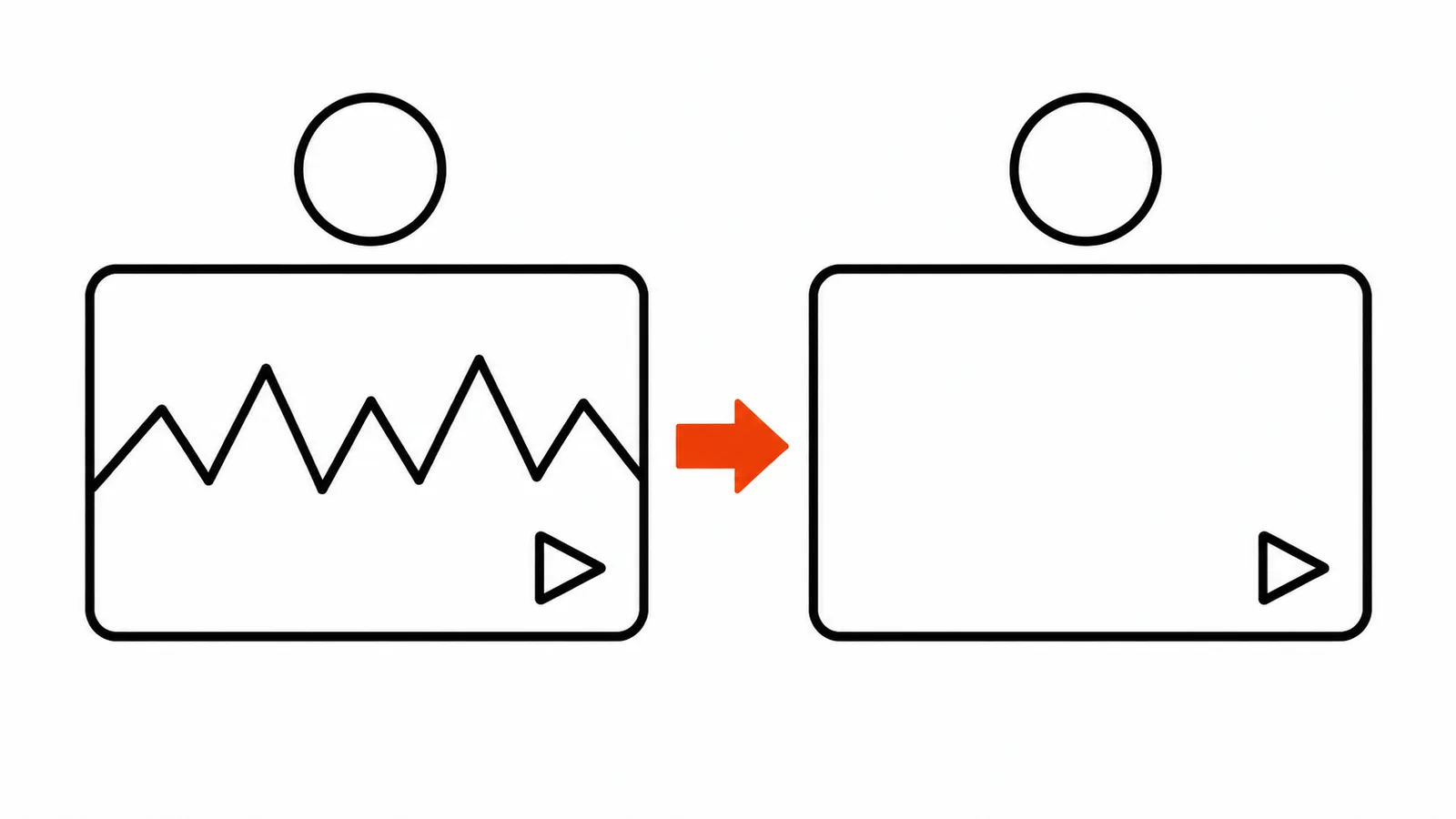
The generate_audio parameter defaults to true and says it plainly: switching it off does not change the price. No separate charge for audio appears in the card.
For a budget this means one simple thing. A silent version of the clip costs exactly what the version with sound costs. If the finished piece does not need audio, there is no saving there. The budget is moved by clip length and by the number of attempts.
What to check in the dashboard before you pay
First, the figure next to the Generate button. It is an estimate for the current settings and it changes with every edit in the form.
Second, the call history. WaveSpeed states that the real charge is recorded on the prediction after it finishes, so any gap between estimate and invoice shows up there.
Third, the duration. The default is 5, and if the prompt is written for a thirty-second scene while the length stays at the default, the model will squeeze that scene into five seconds.
Fourth, the mode. Text-to-video, image-to-video and reference-to-video are separate cards, and the last two carry no price in this fragment.
Fifth, the date. Documentation prices are for reference and may go stale, so the rate gets checked on the day of the order.
Price per second and the price of a finished video
The rate per second of generation and the price of a finished video are different numbers. The first is built from seconds and attempts inside a service. The second includes the work around the clip, and mixing the two in a client estimate causes trouble later.
For the second number the reference points are different. AI video production and handcrafted AI videos start from $190, short-form vertical runs go up to $2.40 per 1000 views, and channel management starts from $200 per month.
Comparing $0.40 for a five-second run with $190 for a finished video is meaningless on its face: the first buys one generated clip, the second buys finished material. A more useful comparison starts from assembly. If a video is built from ten five-second clips, generation alone at the base rate comes to $4, and that is the floor of the budget, before re-runs, selection and editing.
For the model itself there is a separate story on MAGI-2 at 480B parameters, covering what the scale delivers and what one run returns.