What Sand.ai announced on November 24
The Sand.ai blog post is dated November 24, 2026. MAGI-2 is described as the full version following MAGI-2 Preview, which came out in August 2026. The scale grew a lot: Preview had around 114B total parameters and about 6B active, while the full version lists 480B total and about 28B active at 5.8% sparsity.
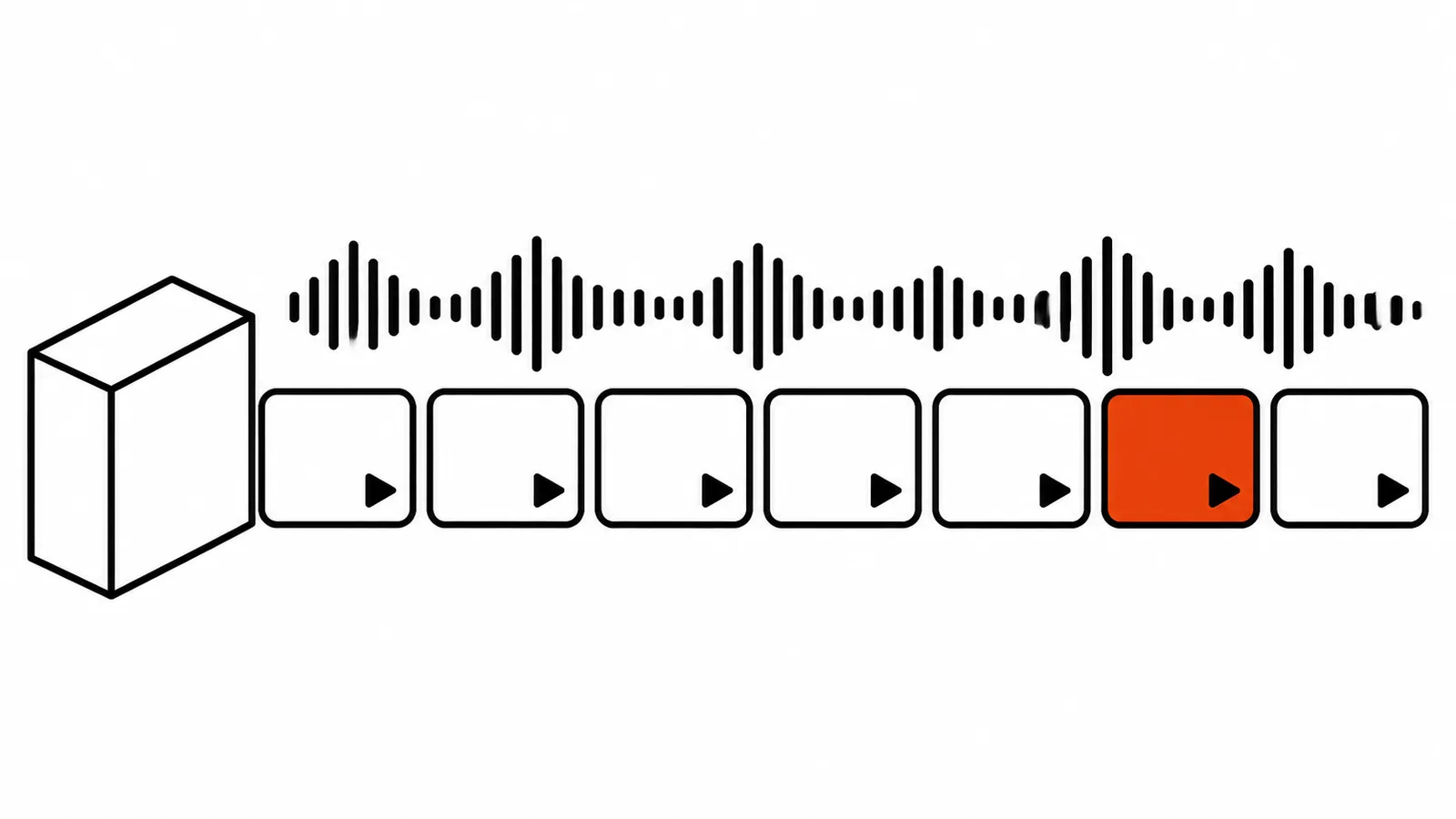
Pre-training expanded roughly threefold, to 4T tokens. Collection took three weeks and produced about 1 billion samples at roughly 4 thousand tokens each. The architecture is called Multi-Head Latent MoE: video and audio tokens run as one sequence, and Sand.ai stresses that motion, lip-sync and acoustics are computed together.
The output is up to 30 seconds of 1080p at 25 frames per second. Sound arrives in the same pass: speech with lip-sync, ambient noise, music. There are six aspect ratios, and references per native request go up to 20 (up to 10 images, 5 videos, 5 audio files). Timeline and cut-point control are listed separately, along with pinpoint editing of a finished clip.
480B total and 28B active: what the scale buys
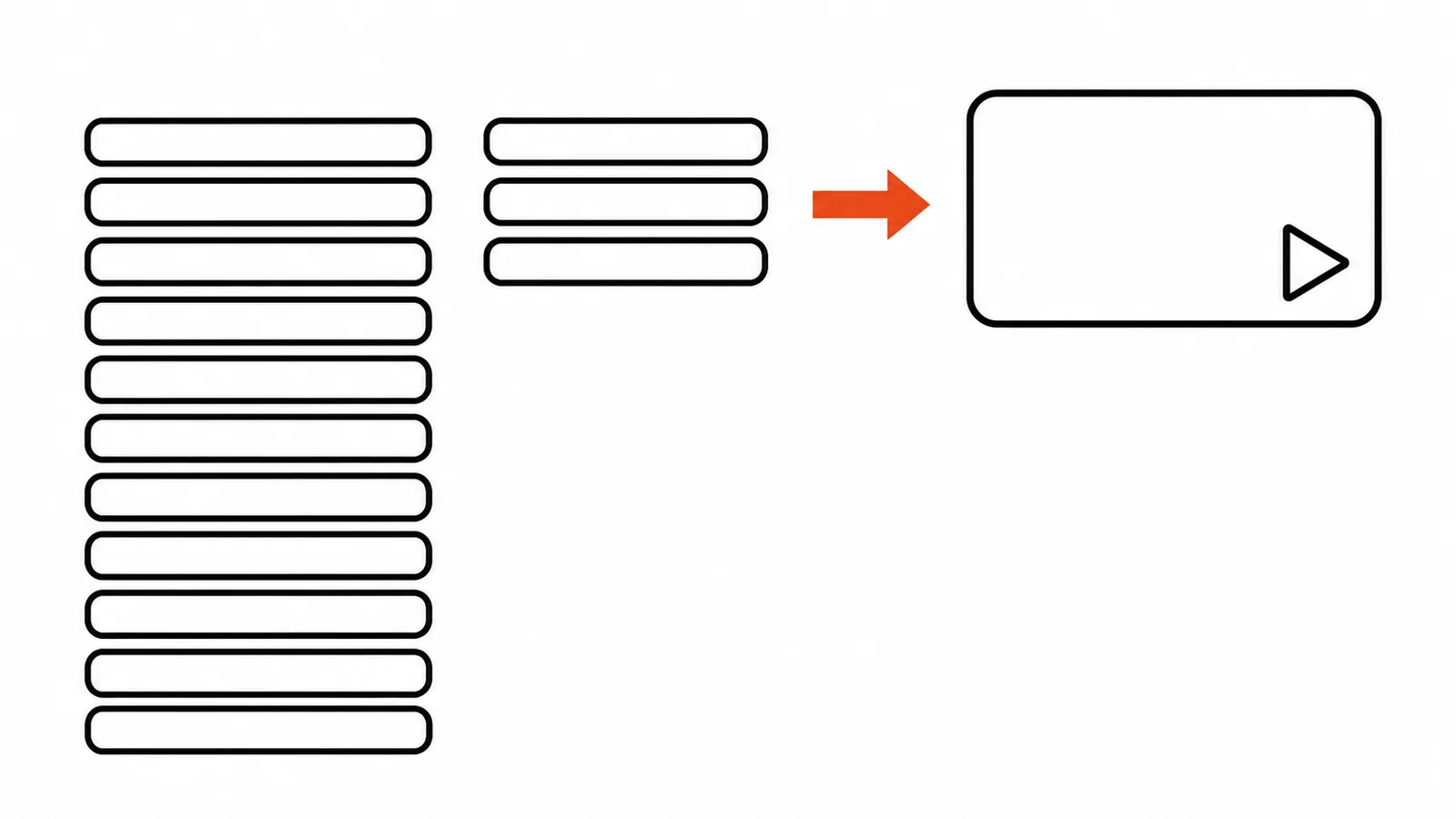
480B is the size of the whole network. A single request runs about 28B parameters, which is the 5.8% sparsity figure in the release. A parameter is a numeric weight the model tunes during training; more of those weights, with enough data behind them, means a more detailed account of motion, light and surface in the frame. A sparse layout lets a model keep a large reserve of weights without pushing all of them through every frame.
Sand.ai says it plainly: at this scale sparsity is mandatory. Scaling a standard MoE further, in the company's words, runs into distributed-system bottlenecks, meaning the limits on how far computation can be spread across accelerators. How a sparse mixture of experts works and why only a fraction of the network fires is covered in a separate piece from today's issue.
Three numbers that decide whether the model fits the job
A catalogue of AI video models helps compare tools against each other, while inside one release the decision comes down to three figures: scene length, resolution with frame rate, and the reference budget.
30 seconds at 1080p and 25 frames per second is the length of one continuous generation. A cut of up to 30 seconds fits inside one piece or two, and the timeline controls where the pieces break inside a scene.
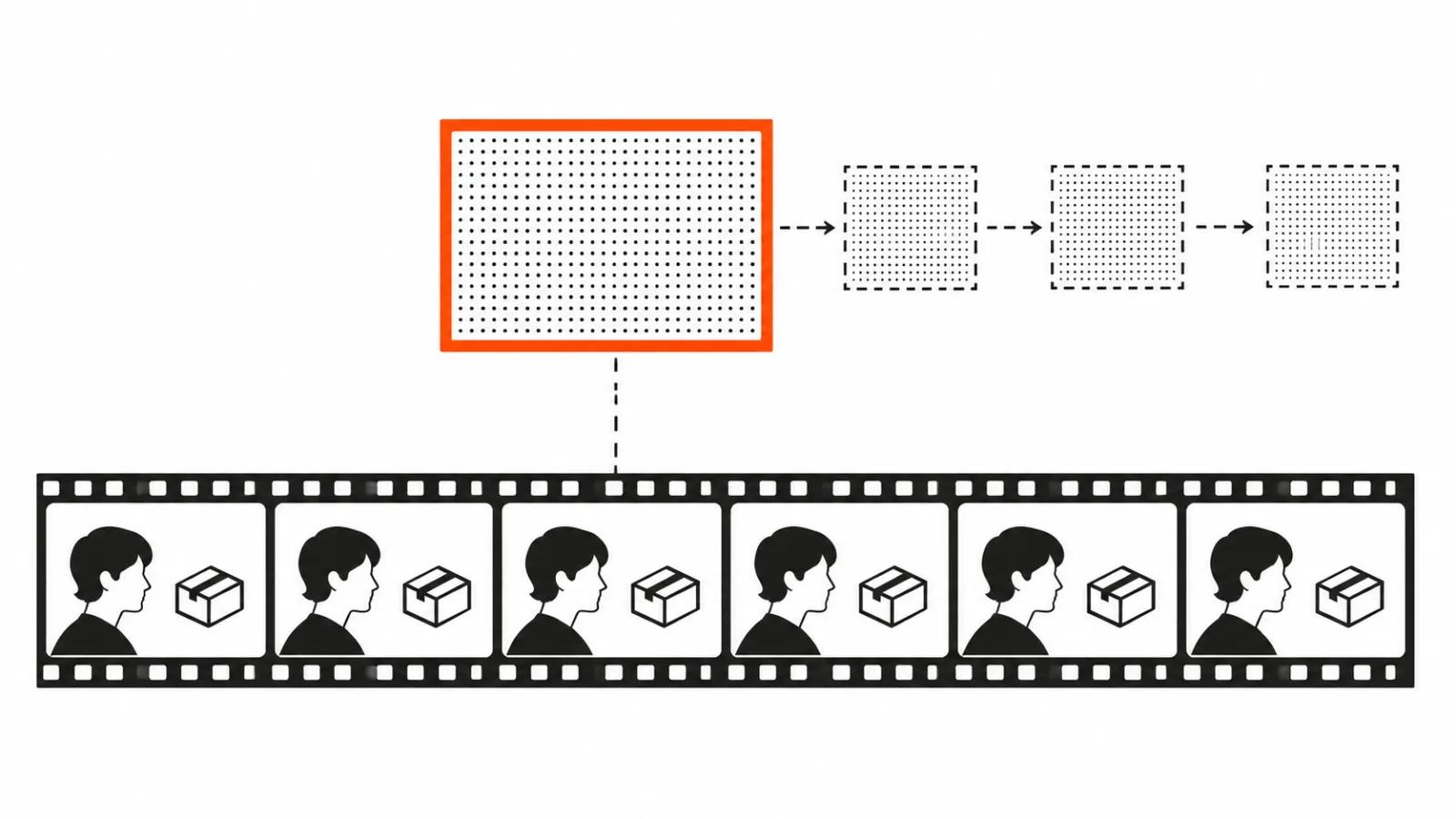
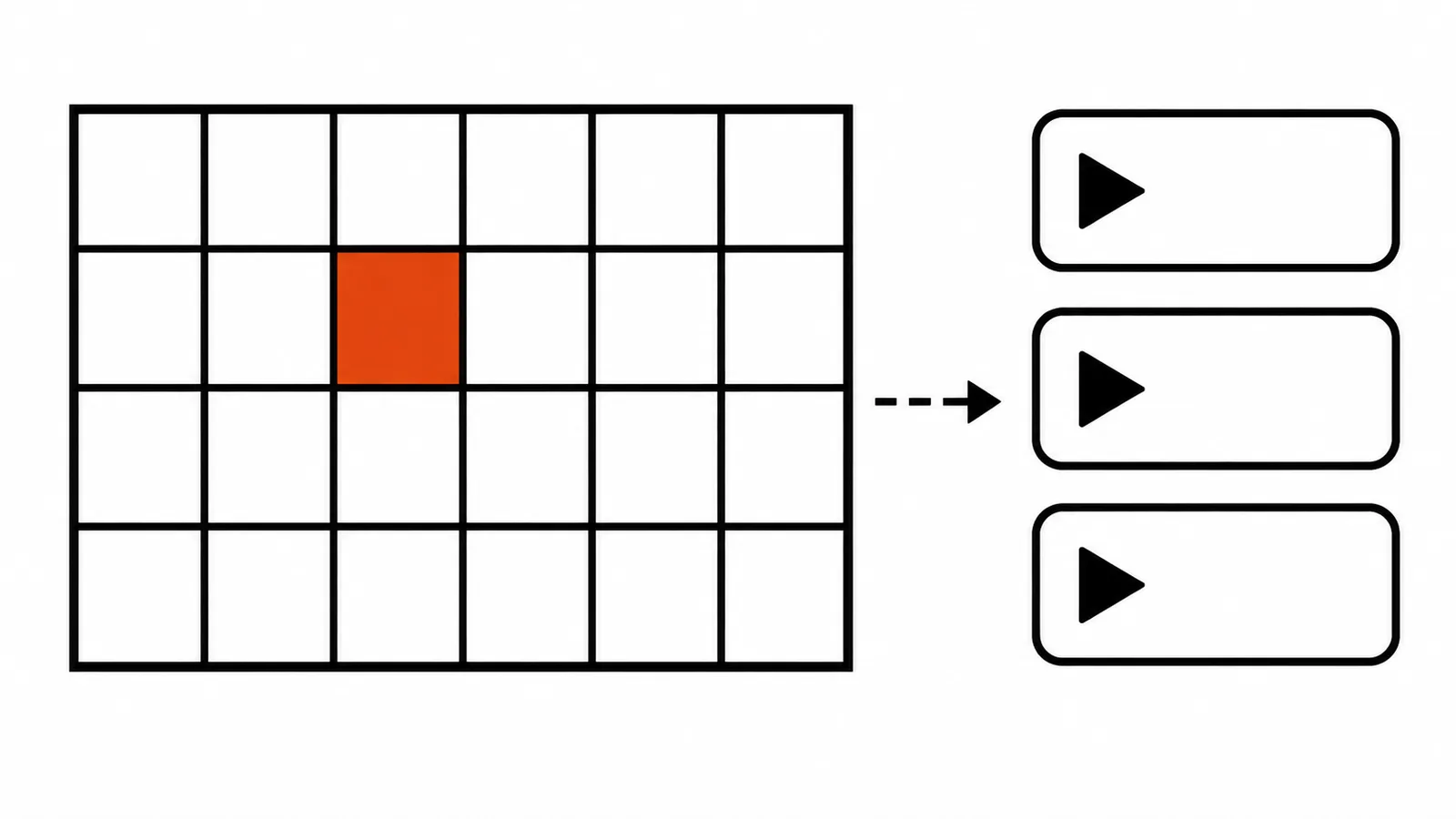
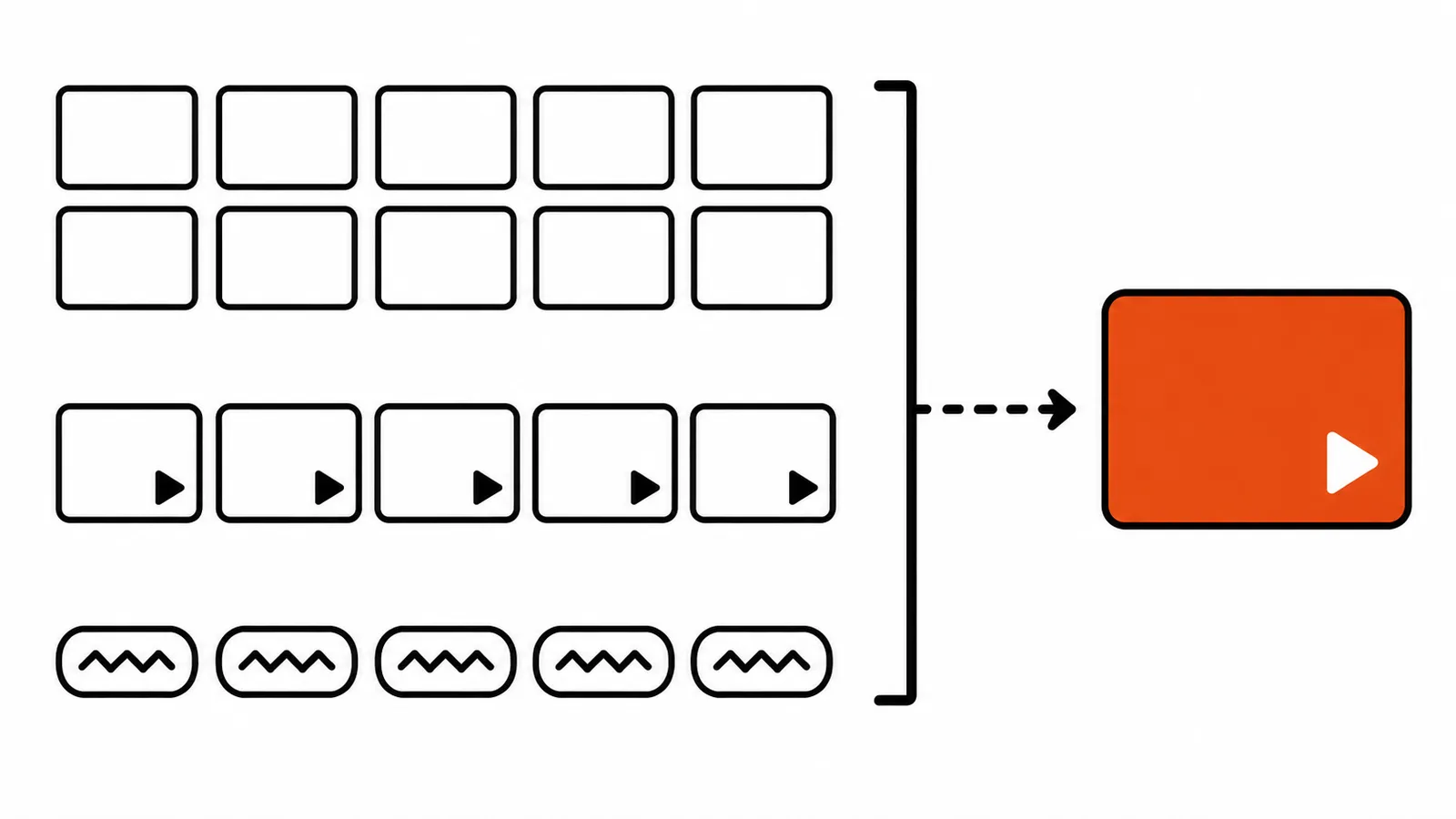
20 references leave room for a character, a product, a location and a style: 10 images, 5 videos, 5 audio files. That budget matters when several people share the frame and a recurring object appears, such as packaging seen from different angles.
Six aspect ratios cover vertical, square and widescreen. That saves cropping later when the same shot has to run in a feed and on a website.
What changes in a finished video
Lip-sync. Video and audio tokens in MAGI-2 share one sequence, so speech, noise and music shift together with the mouth during generation. On paper that removes the most common defect in voiced spots, where the voice floats loose from the face. It still has to be tested on your own footage, since the Sand.ai write-up describes the architecture and does not show failure cases.
Long scenes. 30 seconds in one generation rewrites the shot list. Instead of five seconds per piece there is room for a camera move and a line of dialogue. The risk grows with it, because holding a face and a wardrobe over thirty seconds is harder than over five.
Editing. Pinpoint editing means swapping a prop or a line without regenerating the whole scene. How clean that looks on seams is not shown in the post.
Training data. Sand.ai writes that it deliberately did not filter complex footage through one aesthetic and kept multi-person scenes, fast cuts, on-screen text and dense real-world sound in training. That is an argument for why the model should hold difficult shots, and the test is again your own footage.
What the one quality number says
The post carries a single measurable figure: average Elo across four tasks on Artificial Analysis Video Arena v2.1. Preview scored 998.5, MAGI-2 scores 1150.3, a gain of 151.8 points. That is a Sand.ai metric computed on leaderboard data. How to read AI video leaderboards and why a ranking position does not equal quality on a given shot is covered separately.
What a weight release would change
Sand.ai promises to release weights together with a technical report. As of November 25, 2026 the files are not up and the post gives no date. Without weights there is no local run, and everything known about quality comes from the company. What open weights actually commit a vendor to is covered in a separate piece.
That same post carries no Sand.ai price, no licence, no hardware requirements and no country list. Pricing is visible through a reseller, and the price per second breakdown is a separate story.
What to test on your own shot
The list is short and each item closes with one run.
Two lines of dialogue in one scene: watch the mouth of the character who is silent. Lip-sync errors tend to surface right there.
Noise and music: check how the model splits speech, room tone and music in a quiet room. Extra music in a product ad is as annoying as a desync.
One product from ten angles as references: check whether the packaging drifts between shots.
Vertical and widescreen from one request: compare composition, because the model recomposes the frame for the ratio.
Editing a finished clip: swap one object and look at the edges around it.
The Elo figure cannot be verified on your own footage; it can only be set against the feel of a generation.
What this means for AI video in 2026
The race in AI video this year runs on three axes: scene length, sound in the same pass, and the number of inputs. MAGI-2 adds the prospect of open weights, and for local rendering that matters more than any single improvement to image quality.
The practical side is simple. The longer the scene and the more references a model holds, the fewer cuts in the edit and the shorter the road from brief to delivered file. On an AI video production job that shows up as fewer pieces to stitch and less drift to chase between them. For AI commercial work the format gets fixed first, and the model is tested against that frame.
Related reading: the per-second price teardown for MAGI-2 and the explainer on total versus active parameters.