What video adds to a listing
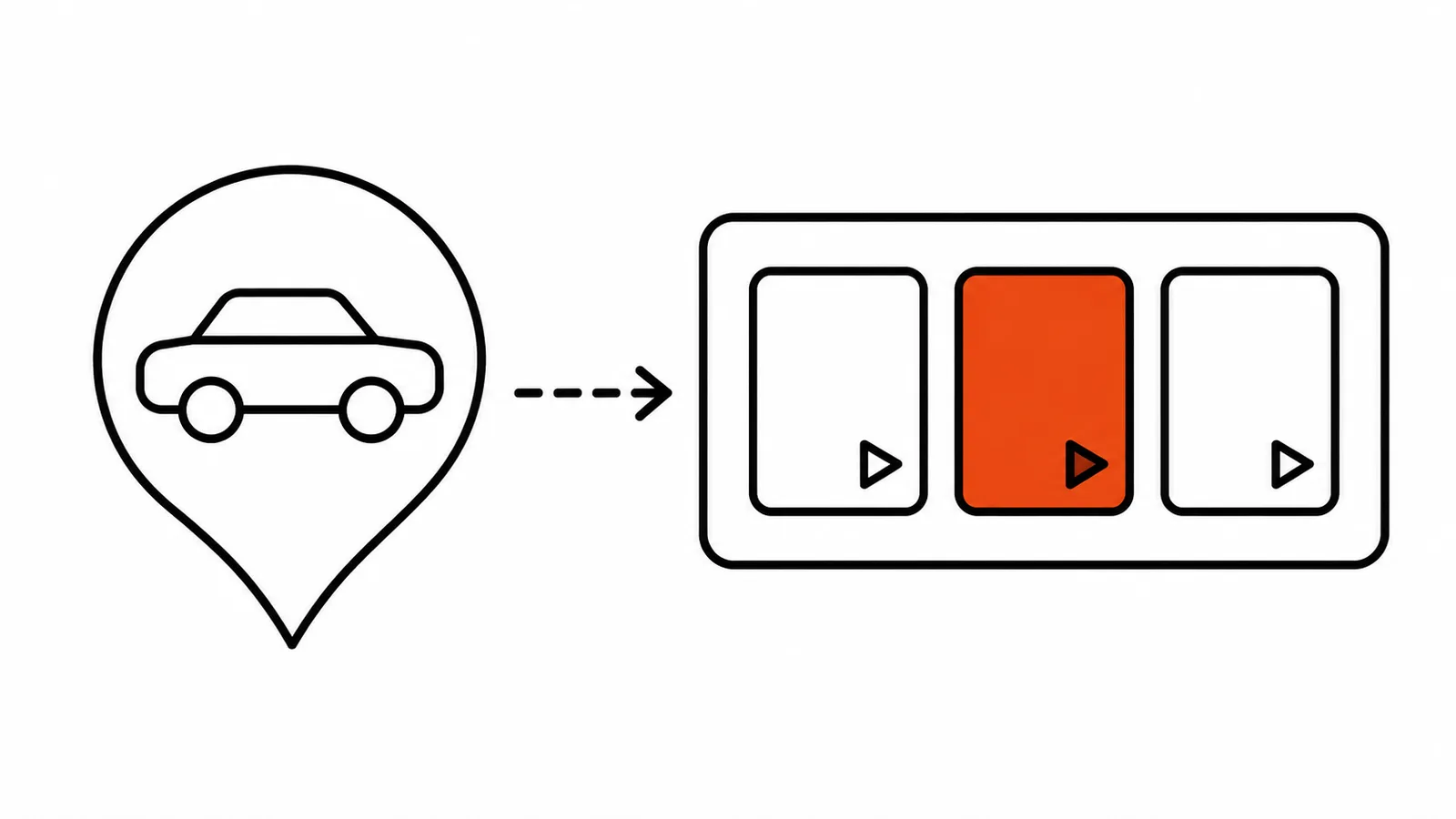
The platform itself pushes sellers toward video through content scoring. On Ozon a gallery clip is not mandatory, yet in the content score the "Media" block is worth 45 points out of 100, and a single video delivers 18 of them, while three or four photos give 13.5 points. Those figures come from the breakdown published by Cha-Meleon, where requirements were checked against the platform help pages on 28 July 2026. Extra points feed listing visibility, and the market conversation is about reach: how many products in a catalog end up with their own clip.
Trust is the second reason. Wyzowl reports in its State of Video Marketing 2026 that 89 percent of consumers call video quality important for trusting a brand. For a listing this reads simply: a clip helps when it shows the product honestly and to the point.
Platform requirements and where moderation snags
Requirements differ between the two platforms. PixSora, in an article dated 3 June 2026, lists these parameters: Wildberries accepts MP4 or MOV, up to 3 minutes long, up to 1000 MB, resolution from 720 to 1920 px. Ozon, in rich content, accepts up to 5 minutes, up to 100 MB, resolution from 1080x1920 px.
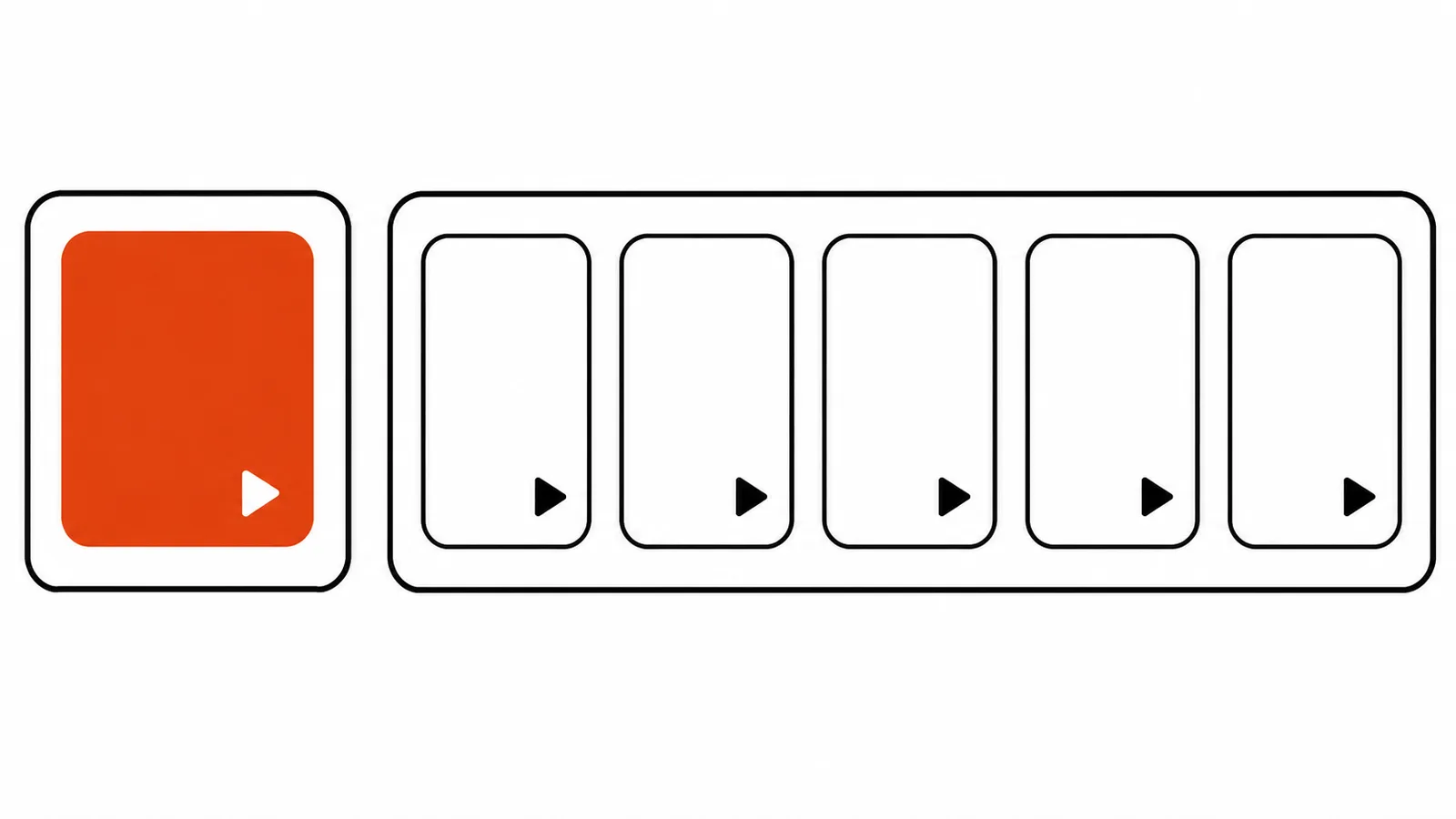
Gallery space is tight. On Wildberries one clip per listing is the whole allowance, while Ozon fits up to five clips plus a separate video cover. That leads to a practical rule: when a catalog is large, spend the single slot on a listing that already sells. Sellers who produce AI UGC videos for marketplace listings across a whole catalog plan for this limit from the start.
Moderation tends to snag on file format, weight, length and resolution. A clip assembled outside those limits may never reach the gallery, and that becomes a separate cost in rework.
Where the demand for volume came from
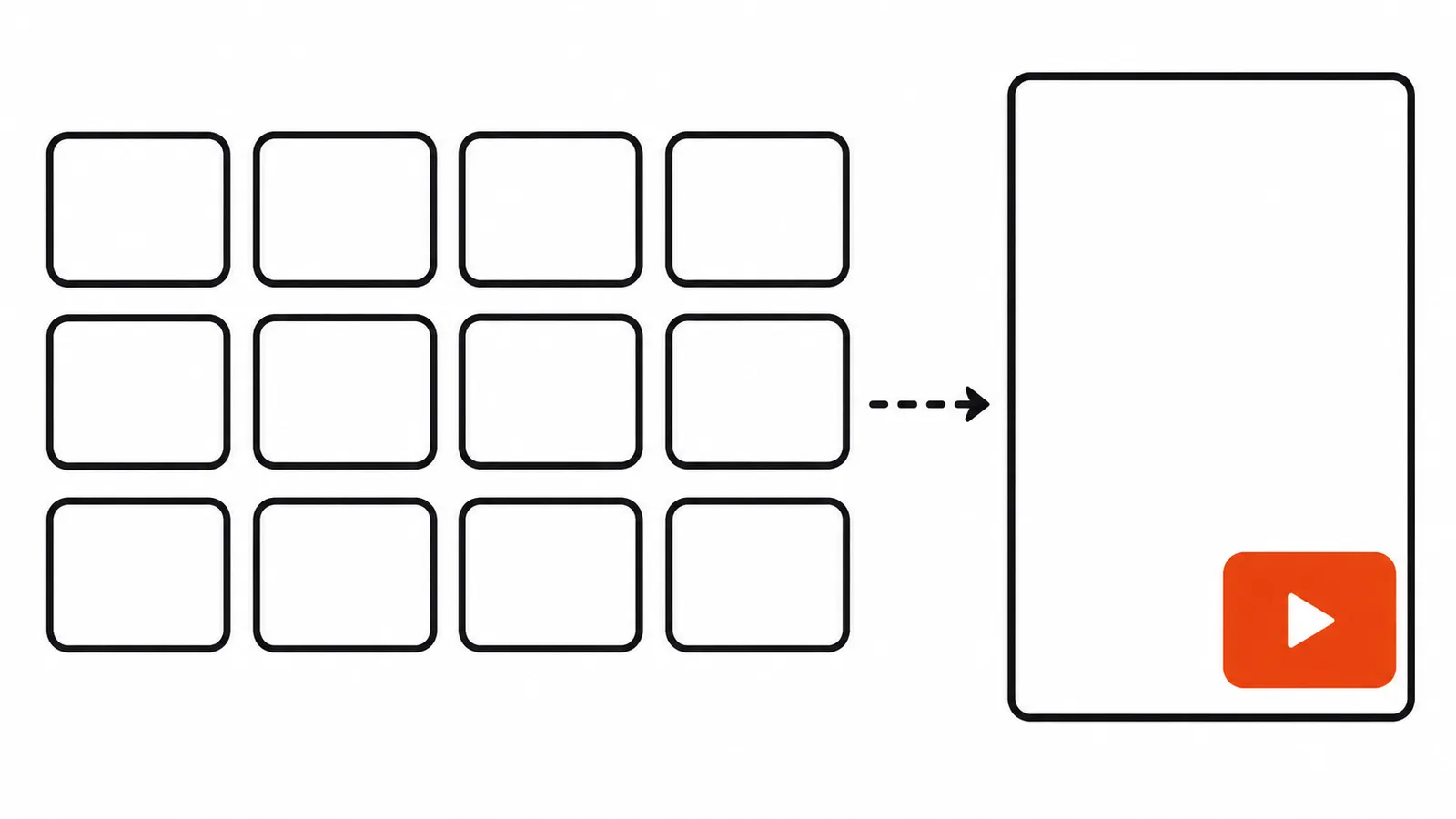
The niche grew out of simple arithmetic. A marketplace seller carries hundreds of SKUs, and each one needs a short clip. Shooting every product by hand turns into a separate project with its own budget and calendar. Demand shifted toward a flow of cheap vertical clips: the listing gets a quick piece about the product, and the platform gets a filled gallery.
Inside that flow sits a separate task, explaining what UGC content actually is in the context of a catalog. It means dozens of short pieces tied to specific SKUs, and the platform sets the rules they must meet.
Who supplies the clips
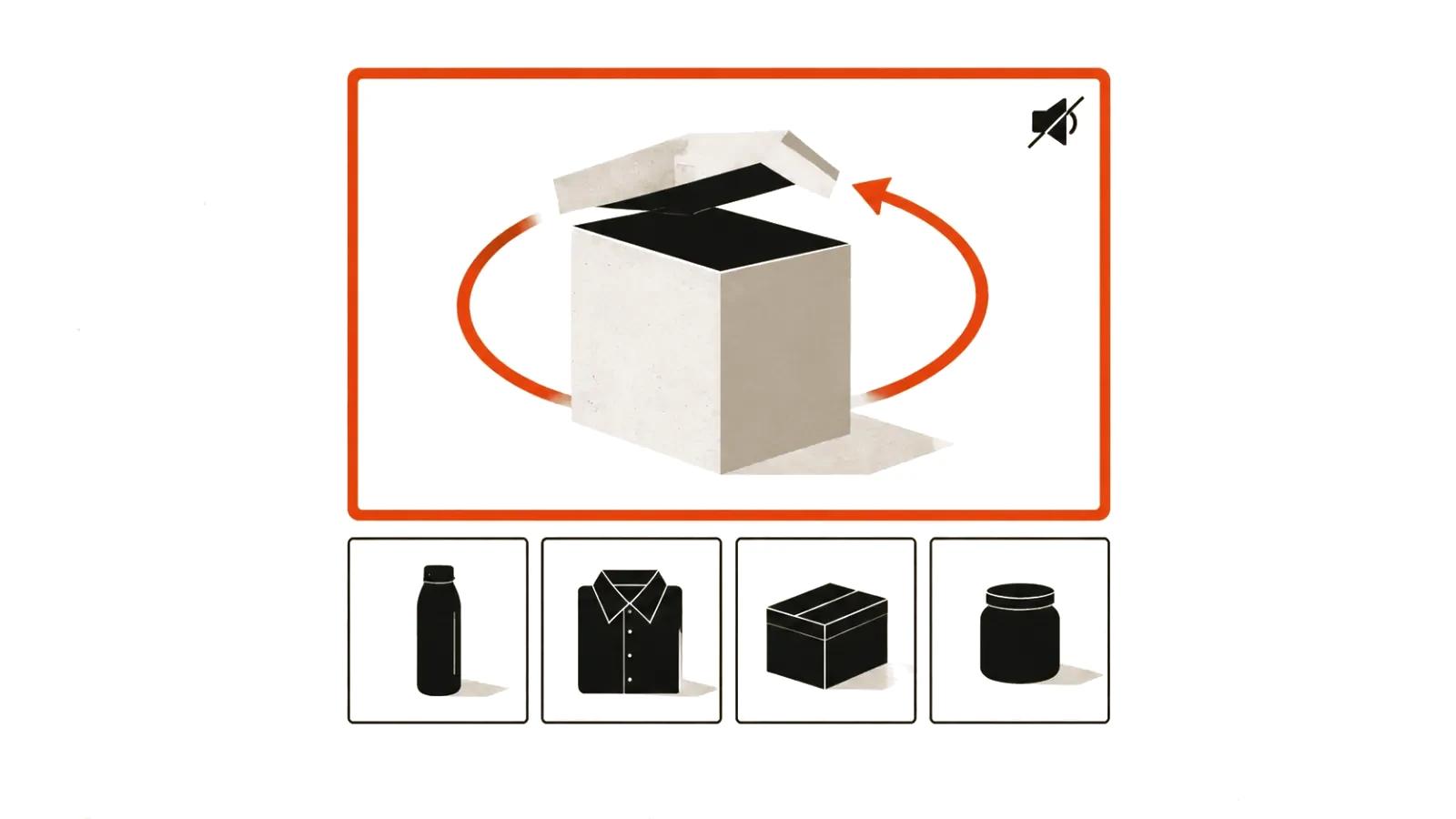
Four paths cover the task. A seller shoots on a phone and gets minimal control over quality and consistency. A freelancer takes individual products, and a flow of hundreds of clips moves through that path slowly. A volume supplier works in batches and holds the throughput. The fourth path, generation from product photos, builds the scene and motion from material already on the listing. Each path fits a different scale: a single clip, ten test pieces, or a flow for an entire catalog.
A fifth trick works on top of any path. Teams that spin one source clip into a batch of variants cover a catalog without shooting every product from scratch.

What shapes the price of a batch
The market prices this work two ways: per clip and per publication. In the first case the buyer pays per production unit, in the second for placement, and the total tracks the number of impressions. Volume pricing usually comes with a minimum order and is billed in batches, because a flow costs less per unit than a one-off job. Batch timing feeds the budget too: the more clips in a batch, the longer the first delivery.
Comparing quotes honestly only works with a breakdown. It helps to split a quote into three parts: clip production, batch size and delivery time. Different service names often hide a different scope, and the same clip can be priced differently by two suppliers.
Rights to the clip
A separate trap sits in rights. A clip pulled from a manufacturer's site, from another listing or from social media stays someone else's property, even when it fits the product perfectly. Cha-Meleon notes that on Wildberries a rights holder's claim leads to the clip being taken down. A clip you own, or one ordered with rights transferred, creates no such problem, and it pays to keep the platform rules on rich content for marketplaces close at hand.
Common seller mistakes
The first mistake is one video for the entire catalog. A clip about one category gets reused across unrelated SKUs, and on a product from another category it only confuses the buyer. A flow fixes this when video for product pages is built per SKU.
The second is editing with no product in hand. The buyer comes for how the item looks and works, and gets a cut of stock footage with barely any product in it.
The third is breaking platform rules. The clip misses the weight, length or resolution limit, and after publication it is taken down along with its gallery slot.
The fourth is borrowing a manufacturer's clip. It fits the product, but the rights belong to someone else, and a claim costs more than a batch of your own clips.
Our offer
We supply marketplace listing video as a flow. Handcrafted videos run from $394 per video, up to 90 seconds, with editing and music included and a first batch in about a week. Vertical videos at scale and 9:16 vertical video ads are billed from $2.47 CPM, with orders from 100 clips per month and a first batch in 5-7 days. Formats and timelines are gathered on our pricing page, and work for a specific platform is described on our AI UGC video service page.
Reach us on Telegram @neurocartel_sup, WhatsApp +7 993 909-98-29, or email [email protected].