What open weights are, in plain terms
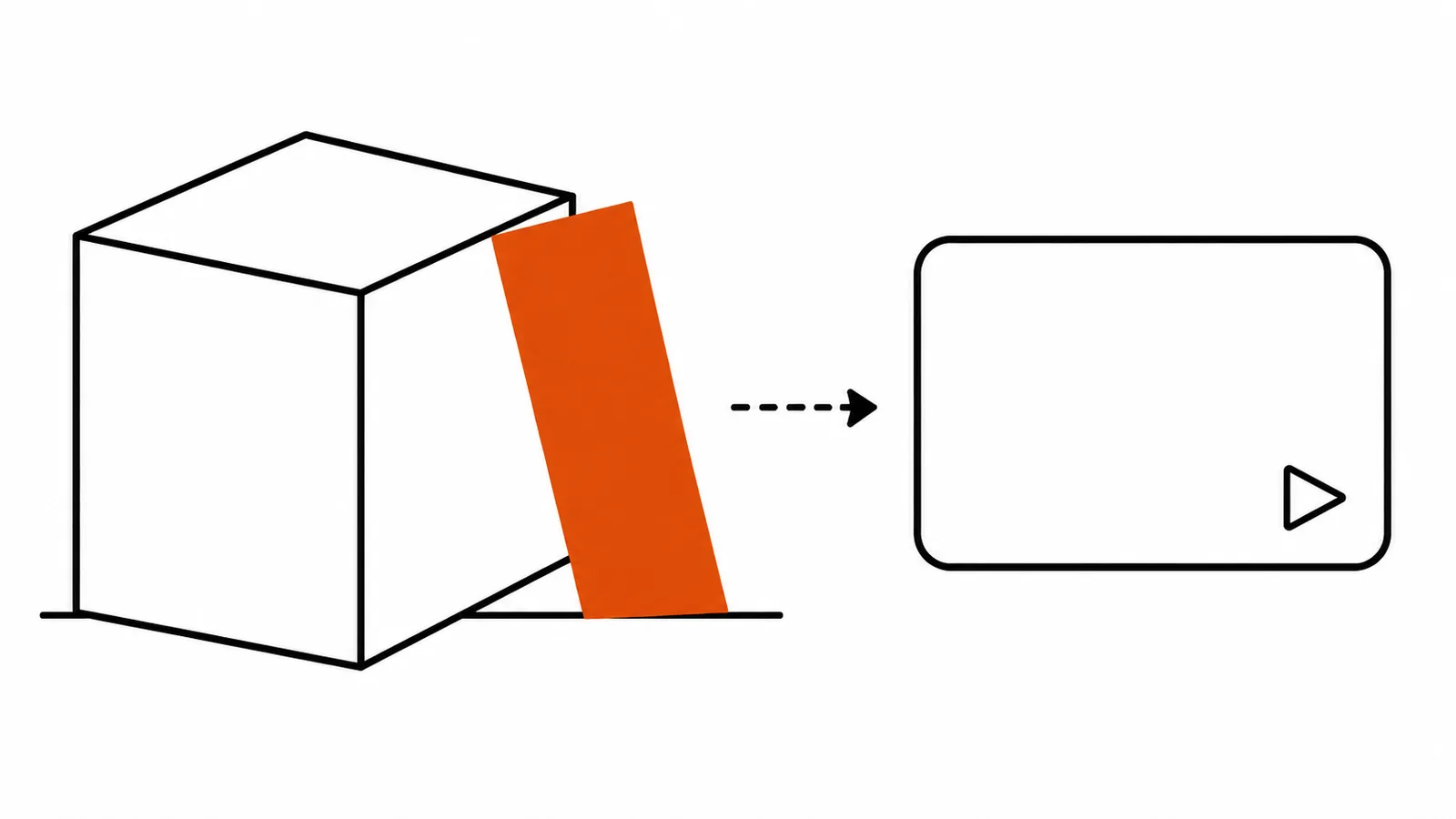
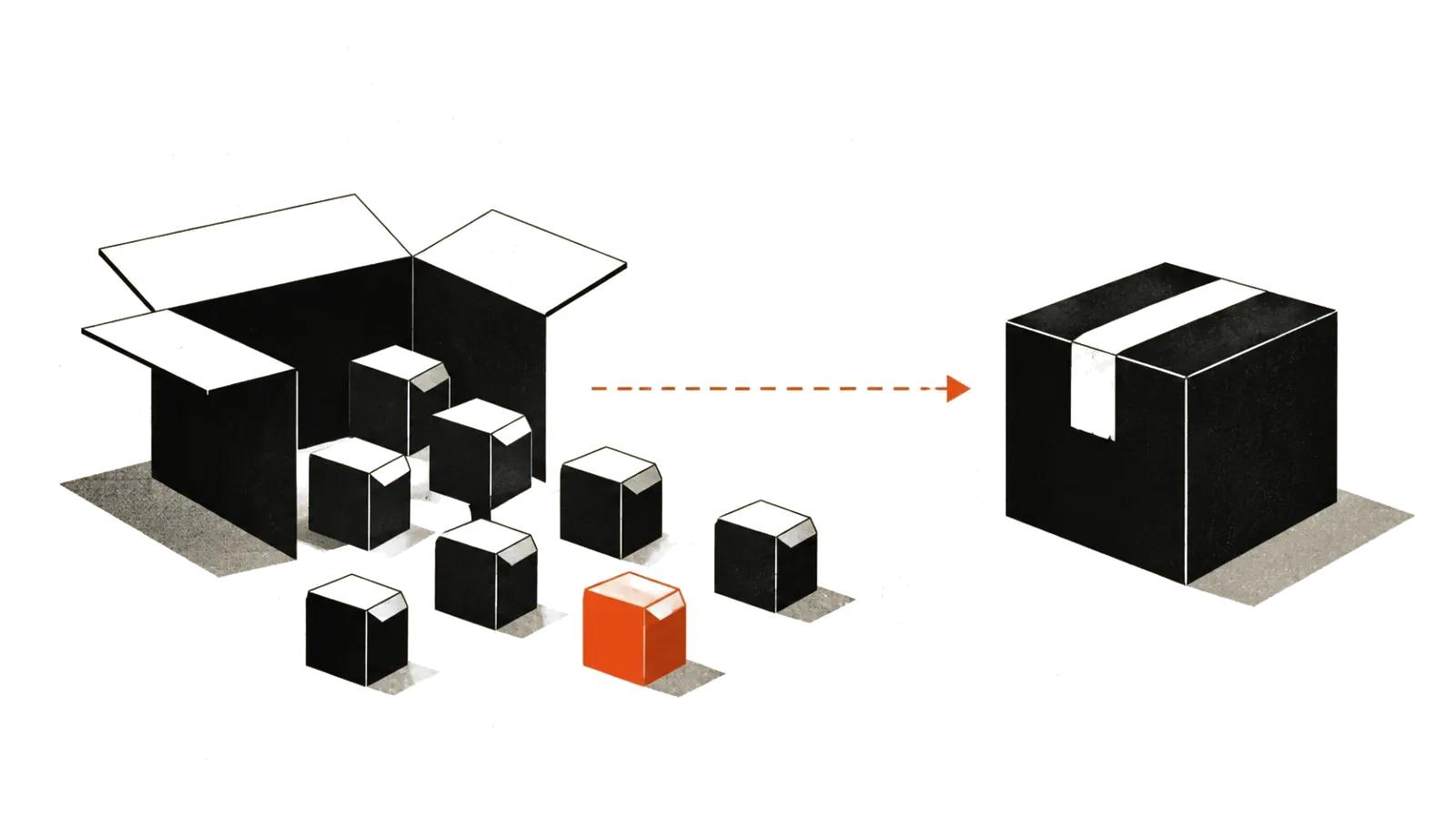
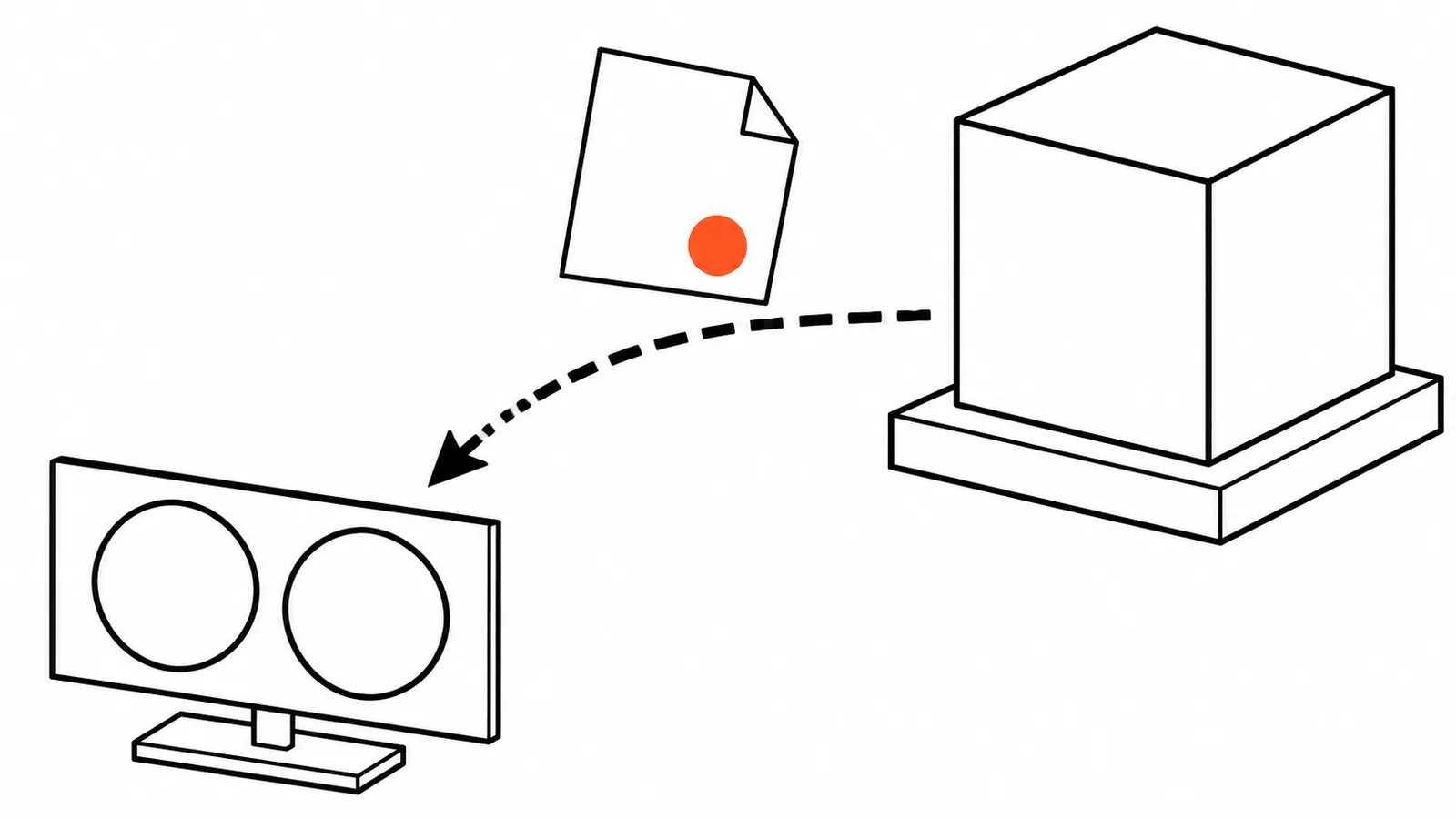
A video generation model is a very large set of numbers that the model settled on during training. Those numbers are the weights. While they sit on the vendor's server, you only see the output: type a description, get a clip. When the weights are published, the file with those numbers can be downloaded, put on your own GPU and run as many times as you like. The same file also permits fine-tuning, which is how a model gets shaped toward a house look, a product or a particular lighting style.
That is how LTX-2.5 from Lightricks shipped: open weights plus a separate pretrained checkpoint built specifically for fine-tuning. Download and run are both on the table, and that is the whole difference from a subscription to someone else's service.
Then comes the part that announcements rarely put in large type. Open weights give you access to files. The terms for using those files live in a separate document, and that document outranks the word open on a release page.
How weights differ from source code
Open source code and open weights get mixed up constantly, although they are different objects. Code under a licence like Apache can be taken, modified and embedded in your own product, and revenue thresholds are unusual there. Weights work differently: they are the result of training, and a vendor publishes them under its own licence with its own terms.
Recent releases show the gap. H3-Tiny, the trimmed MiniMax H3 build for ComfyUI, sits on Hugging Face under minimax-h3-community-license; there is no Apache in the card. Running it for free works. Treating it as yours to do anything with does not. The details of that release are covered in the H3-Tiny writeup, and the Flux 3 open weights release gets a separate breakdown. The general point is what matters here: community in a licence name means a list of caveats.
The practical question changes shape. Asking whether a model is open settles very little. Asking what its licence says settles most of it.
Where the revenue threshold comes from
Once weights can be downloaded, a vendor loses the usual way of charging. Every call used to run through its server, and the bill grew with the number of generations. With open weights the call runs on your card, and the vendor is not in that chain at all.
What remains is a set of other channels: a managed API for people who would rather not run hardware, support, fine-tuning to a specific job, a commercial licence for larger teams. A revenue threshold draws the line between those modes. With LTX-2.5, commercial use is free below $10M in annual revenue, and a commercial licence is available on request for teams above that line.
The licence adds a detail that is easy to skim past: revenue is counted across the whole group, including subsidiaries and affiliates under common control. A studio with a modest turnover can sit inside a group that clears the threshold, and the free tier no longer reaches it. The full mandatory terms live in the LICENSE file shipped with the weights.
Why an open model can still cost money
A revenue threshold and a ban on reselling access separate the small user from the company that earns on the model. A studio making videos for its own clients rarely notices the threshold. A business selling access to generation runs into the resale ban, and its terms get priced separately.
Output deserves its own look. Using the weights and running the finished footage in a client's advertising are two different clauses, and the second one gets read before a video reaches the client.
What open weights give you, and what they charge
The upside is concrete. The model runs on your infrastructure, there is no per-call billing and no dependency on someone's API. The LTX page lists it directly: no billing for generation, no tie to a workspace, no mandatory API dependency. For footage that cannot leave a perimeter, that decides the question. For a team whose per-call bill grows faster than the budget, it decides it too.
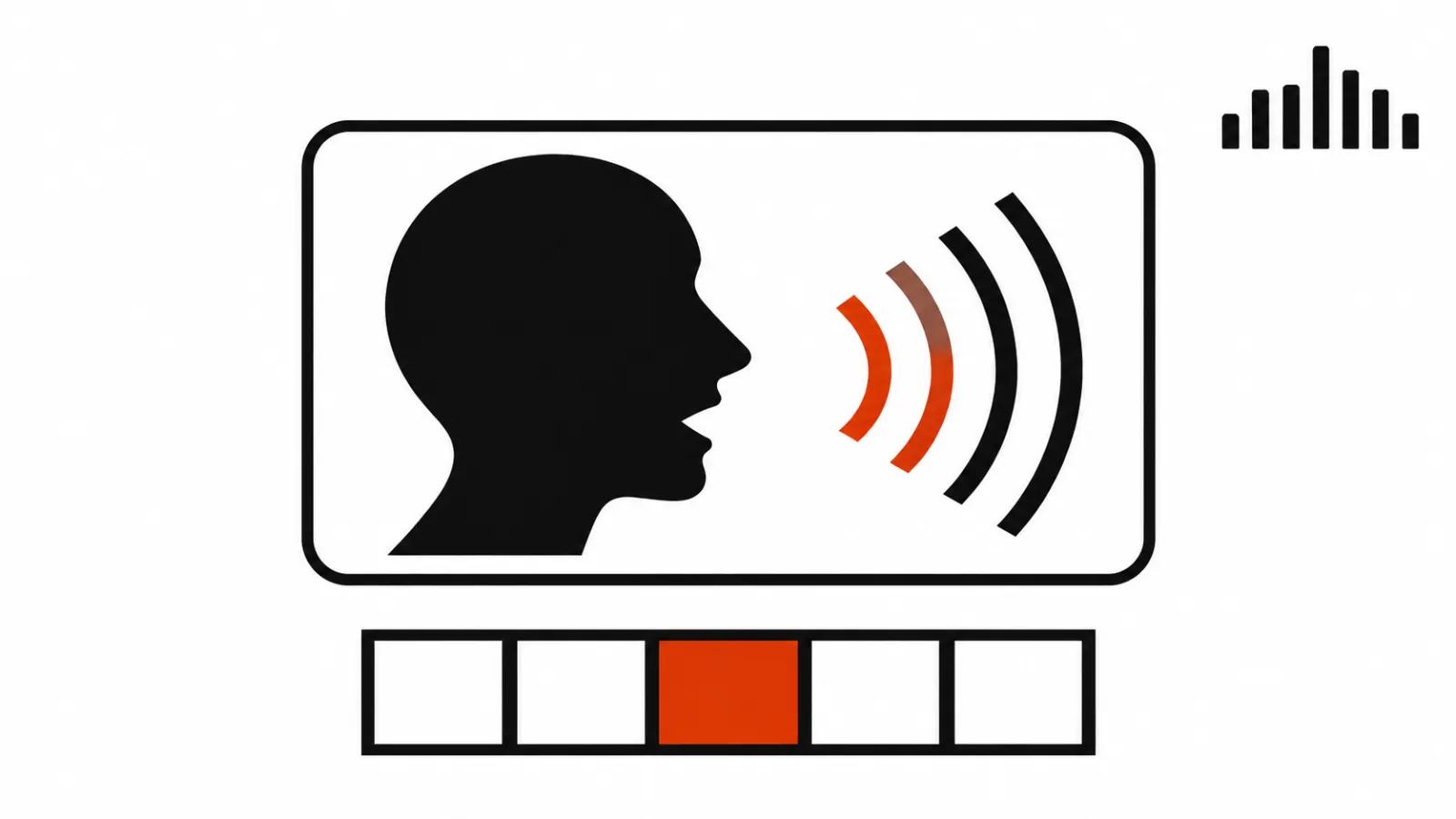
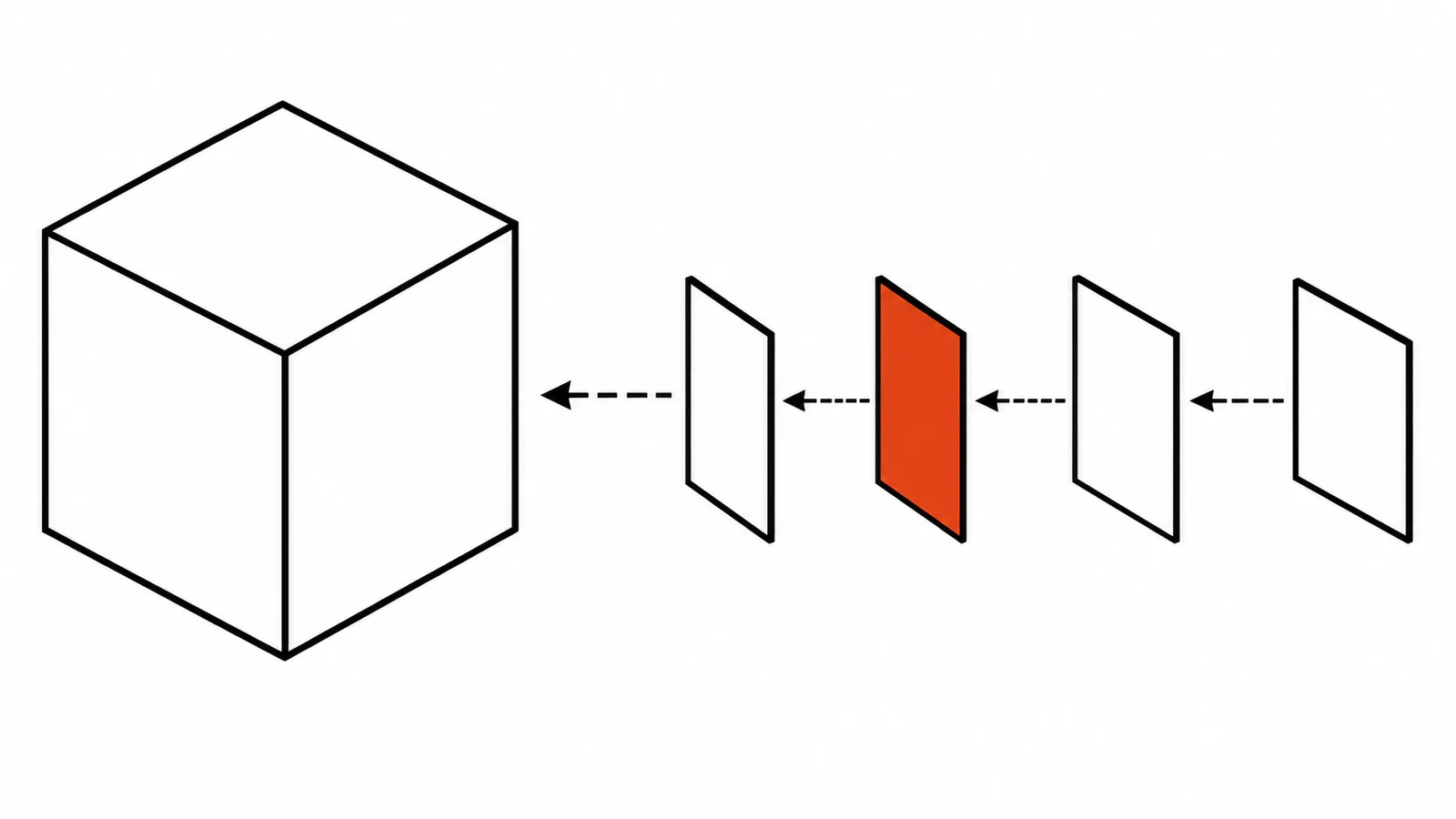
What arrives instead is work. Weights are only files. They need GPUs, workflows, plumbing and a person who keeps all of it alive. The LTX-2.5 docs split installation into separate folders: a video VAE, an audio VAE with a vocoder, the text encoder, upscalers and LoRA. Each block goes in and gets checked on its own. A single file install does not get you there.
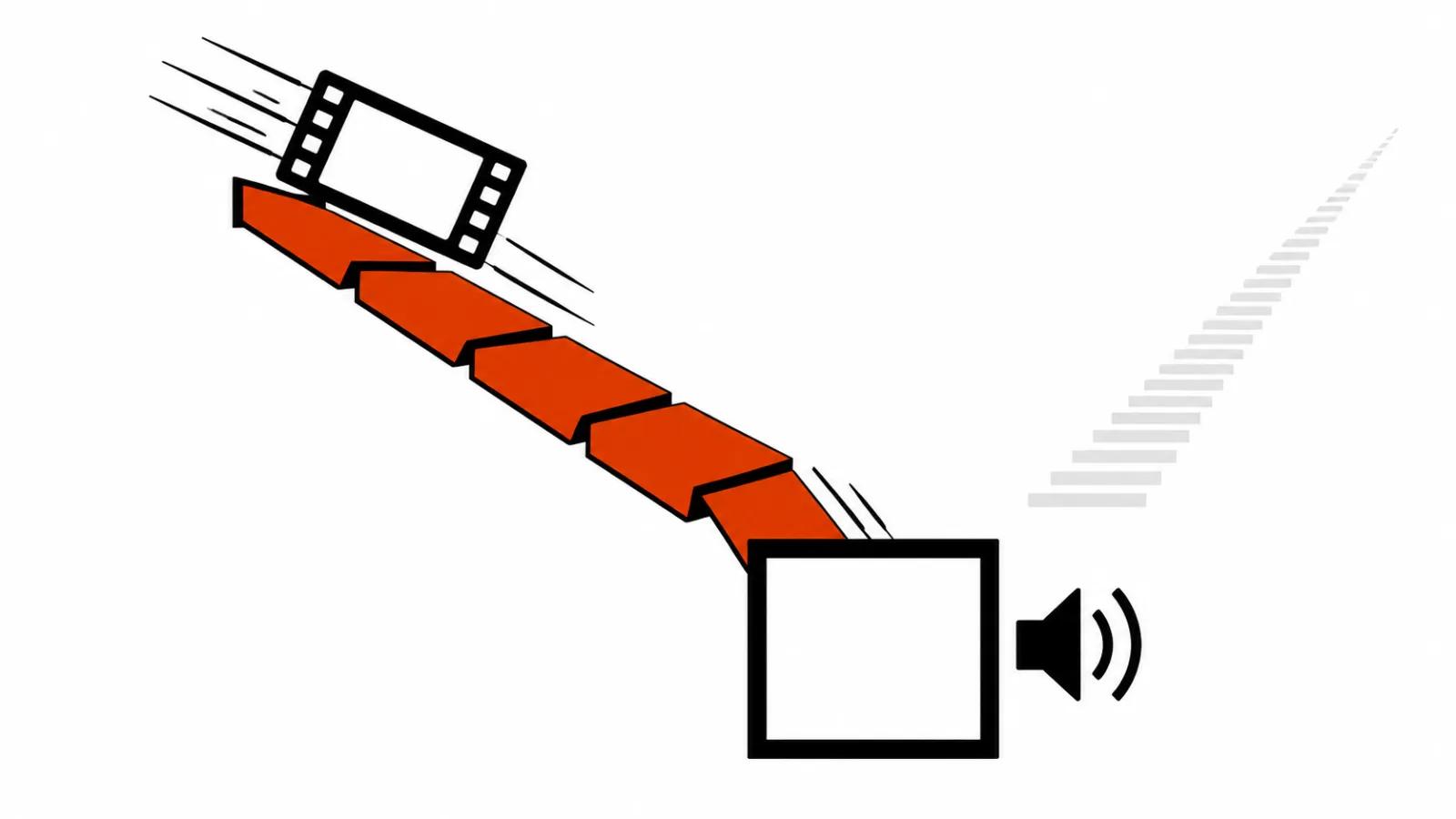
There is a second cost that shows up later. While a card renders, it is busy with one job. A queue of dozens of shots moves in single file, and delivery dates start to depend on hardware load. Most teams discover this on their first large project.
Four clauses to read before a paid project
Four questions cover most of the risk, and the answers sit in the LICENSE file of the specific model.
First: how revenue is counted. One company, or a group with subsidiaries and affiliates. Second: whether generated footage can run in a client's advertising, including out of home and paid distribution. Third: whether fine-tuning is allowed and who owns a LoRA trained on the weights. Fourth: whether the model or its derivatives can be handed to third parties.
A missing answer is also an answer. It means the case is unusual and belongs in writing with the vendor before anything starts. A link to the word open on a release page does not stand in for the licence.
What this changes when you commission a video
The difference lands in the quote. When a video is needed in volume and on a schedule, buying generation as a service usually beats holding hardware: commissioning AI video production runs up to $2.40 per 1000 views in that mode. When the exact frame and the performance matter, handcrafted videos start from $190, and open weights barely register in that number. A channel on a regular release cadence is a third case, with running a YouTube channel from $200 per month.
Open weights change one thing in that picture: part of the work can move in house and onto your own hardware. Everything from the script to the final assembly stays human work. A wider view of the market sits in Sora alternatives in November 2026, local generation with sound has its own piece on a local video model with audio on the desktop, and the practical side of one open family is covered in the LTX-2.5 breakdown.