What a parameter actually is
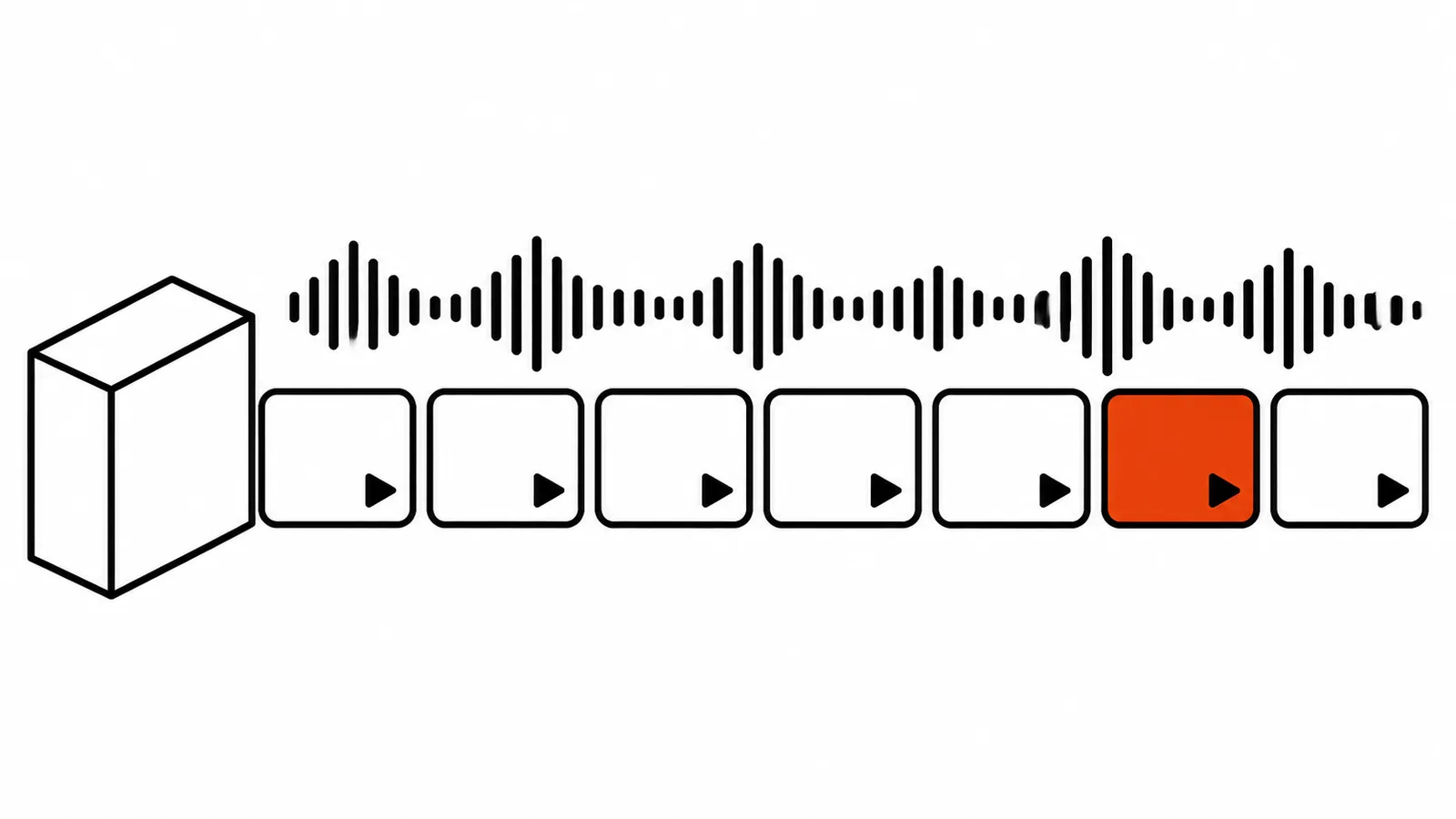
A parameter is a single tunable number inside the network. When the Sand.ai post says 480B, it means 480 billion of those numbers, and together they encode how a prompt turns into motion, light and sound in the frame. No rule of the form "if the hero walks, the camera follows" is written inside. There are weights, tuned on data, and each one adds a small correction to the whole picture. Every figure in this walk-through comes from the Sand.ai blog post of 24 November 2026 (https://sand.ai/blog/magi-2/).
That leads to the first common misreading. A big number in the model name gets read as a quality guarantee. It is closer to a reserve of detail: given enough weights and enough data to tune them on, the model can describe finer things, down to how fabric behaves on a turn. Sand.ai calls 480B the overall size of the MAGI-2 network.
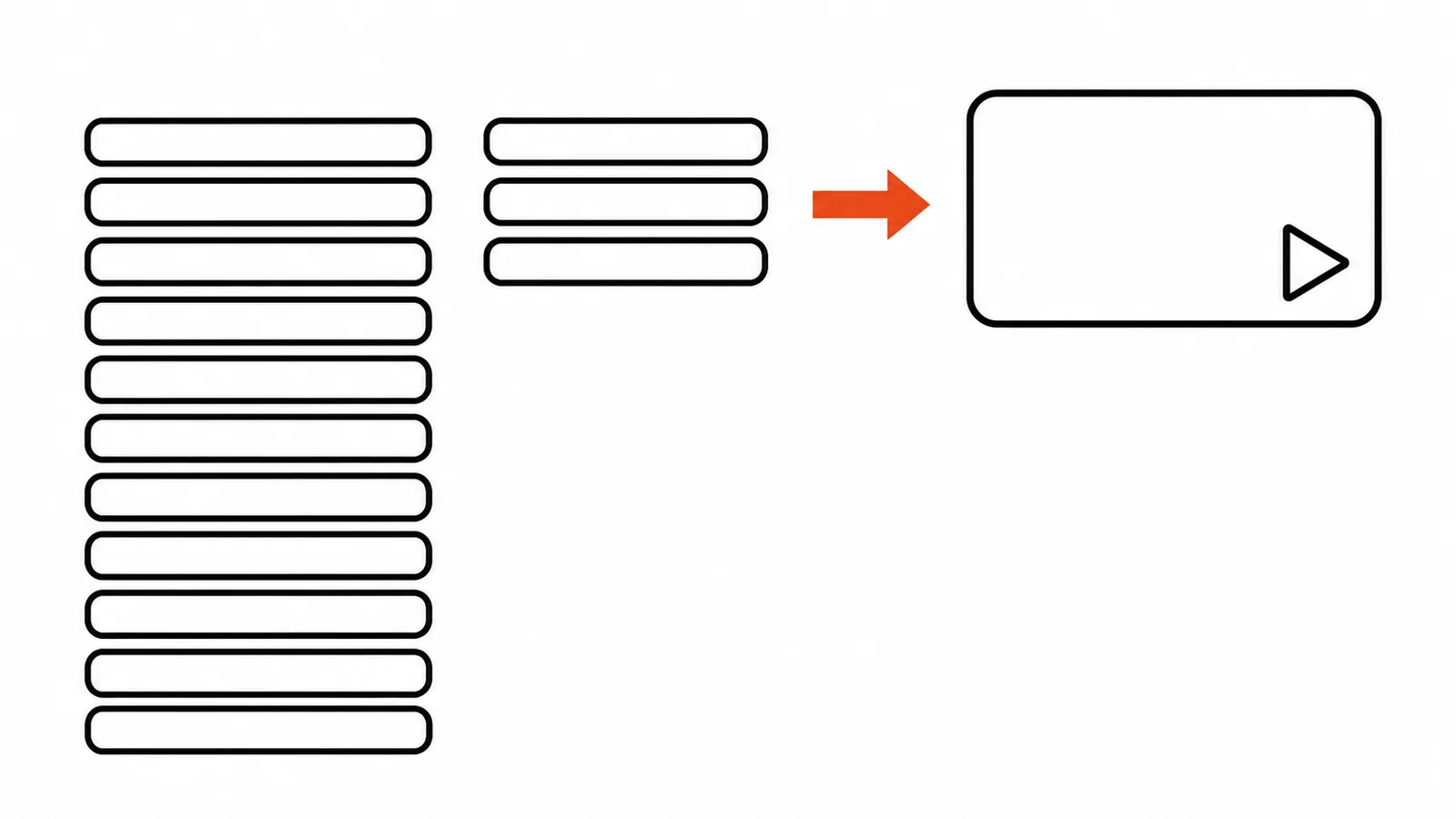
The second misreading is assuming all 480B run on every request. MAGI-2 has about 28B active parameters, roughly 5.8% of the total. The rest take no part in that request. The step-by-step journey from a prompt to a finished frame is covered in a separate guide on how an AI video generator works; the only thing that matters here is the scale of the network.
Why a video model is built from experts
The Sand.ai post names the architecture Multi-Head Latent MoE. MoE stands for mixture of experts: the network is split into large sets of weights, and on each step only some of them are computed. Hence the two figures that sit next to each other, 480B overall and 28B active.
The practical side: the model can hold a large reserve of weights without pushing all of them through every frame. How the active part gets picked is something the post does not break down, so there is no reason to go deeper into block design. That description simply is not there, and inventing details would be guesswork.
For a buyer the consequence matters more than the mechanics. 5.8% of the weights run in one request while the rest sit in reserve. What that means for scene length and sound shows up only on your own shot.
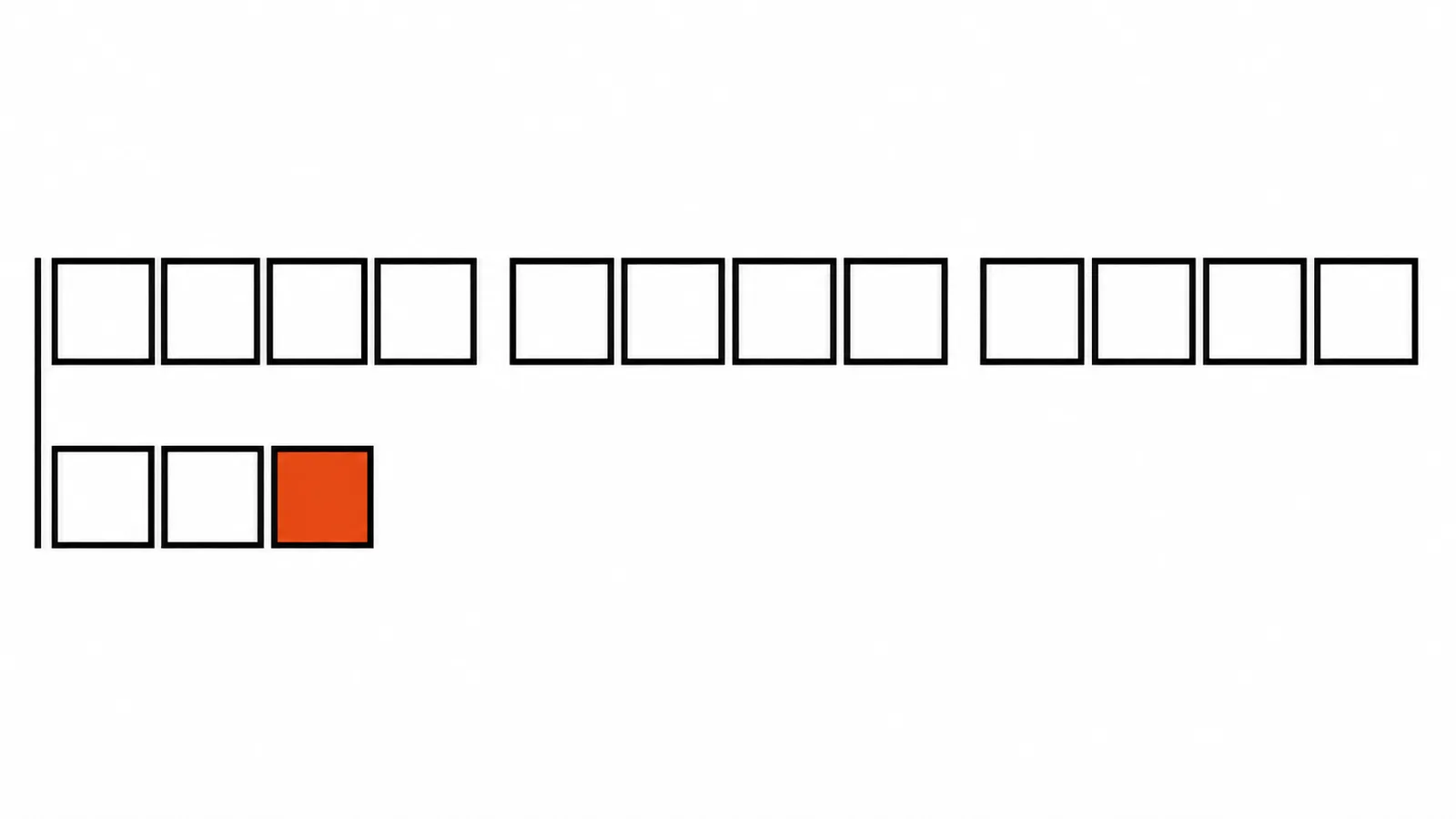
What 5.8% sparsity changes in a finished clip
Sand.ai states it outright: at this scale, sparsity is required. For a finished clip it comes down to three things.
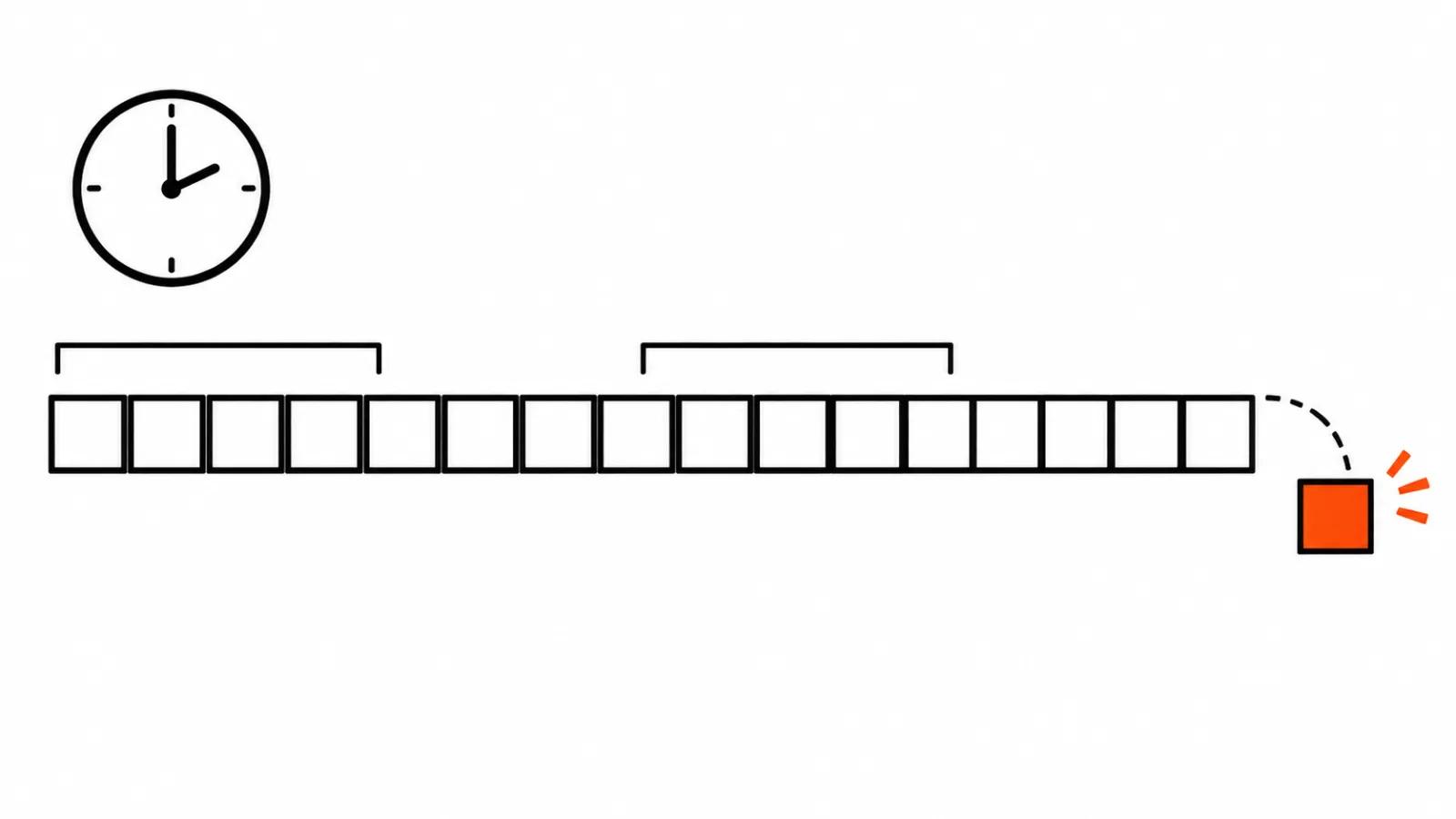
Long scenes. A single MAGI-2 generation runs up to 30 seconds at 1080p and 25 frames per second. That is no longer a three-second filler: a camera move and a full line of dialogue both fit inside it.
Sound in the same pass. The post lists what arrives with the picture: speech with lip sync, ambient noise, music. A separate voice step after generation is not required in this setup.
Holding detail over length. Pretraining grew about threefold, to 4T tokens, with three weeks of data collection, around 1 billion examples at roughly 4k tokens each. That is the volume the model was trained on. How well it keeps small things straight across a thirty-second scene shows up on the hard frames of your own shot.
Why you cannot simply add parameters
Fair question: if more is better, why complicate the recipe at all. The Sand.ai post gives the answer. At this scale sparsity is mandatory, and scaling an ordinary MoE further runs into bottlenecks in distributed systems. That means the technical limits of spreading computation across many accelerators: as the network grows, moving data between them becomes the constraint.
In buyer language, comparing models by the number in the name makes little sense. MAGI-2 carries 480B in its title while 28B works in a request, and a storefront does not show that. The comparison happens on your own shot.
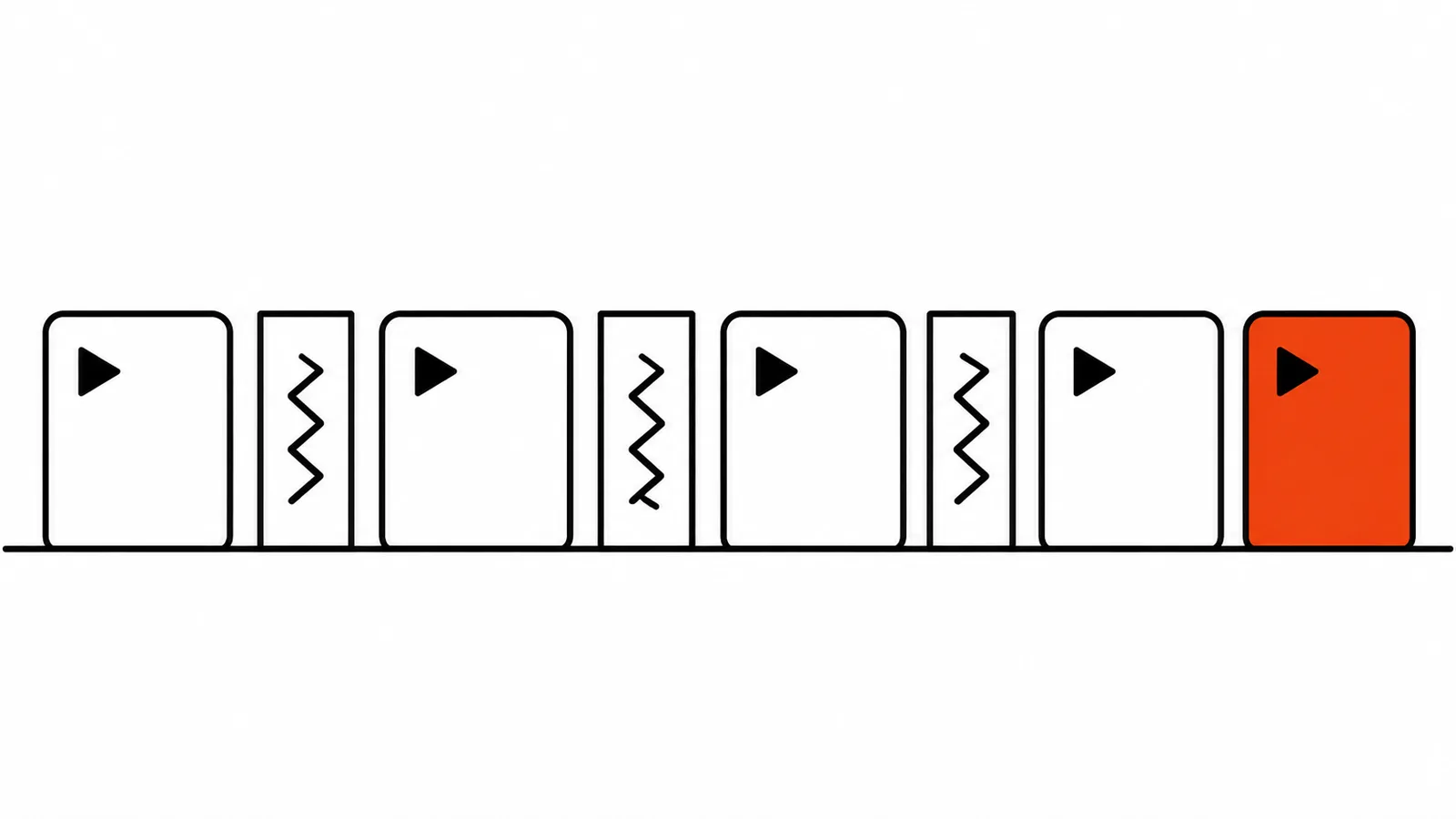
Why video and audio share one sequence
In MAGI-2 the video and audio tokens run as a single sequence. It is a technical decision with a very ordinary consequence: motion, lip sync and acoustics change together, because one network computes them in one pass. When a separate model handles the sound, lips and voice are matched later in the edit, and on a long line the drift shows. How lip sync works when it runs on its own is covered in the guide to how AI lip sync works.
The second consequence concerns ambience. Music and background come out of the same pass as the picture, so the soundscape moves with the frame. Token counting is a different topic, explained in the piece on why 4K costs more, and is left alone here.
What to test on your own shot while weights are closed
Sand.ai promises to release MAGI-2 weights together with a technical report. As of 25 November 2026 the files are not out and the post names no date. With no weights, a local run is impossible, so the model can only be tested through an API or a reseller, on your own material. Per-second pricing from a reseller and how it is calculated got their own write-up: the MAGI-2 price breakdown.
The checklist is short.
A ten-second line with one speaker: watch whether audio drifts away from the lips by the end of the sentence.
Two characters in one scene: the second one stays silent, and that is exactly where it shows whether the model tracks who is talking.
A camera move across a room: follow the light and listen for a change in acoustics at the seam.
A quiet scene with no music: check whether the model adds a bed of sound nobody asked for.
All four fit into one short shot, and they tell you more than any number in a release post.
Three numbers worth keeping
Out of the whole post, three figures matter when picking a model.
480B and 28B. The first describes the reserve of weights, the second how much runs in one request. The second one matters more, because that is what gets computed on every generation.
30 seconds at 1080p and 25 frames per second. That is the length of one continuous generation. A clip of that length comes together from one or two cuts, and a storyboard can be written for a long scene from the start.
One pass with sound. Speech, ambience and music arrive with the picture.
After that the brief takes over. For AI video production a long scene means fewer cuts in the edit, and where an exact frame has to match a placement, AI video ads are built from the format and the model is chosen for it. The neighbouring story in this issue covers the release itself: MAGI-2 at 480B parameters.
One more thing the post leaves open: pricing from Sand.ai itself, the licence and hardware requirements. While the weights stay closed, those questions stay open, and planning a local render is premature.