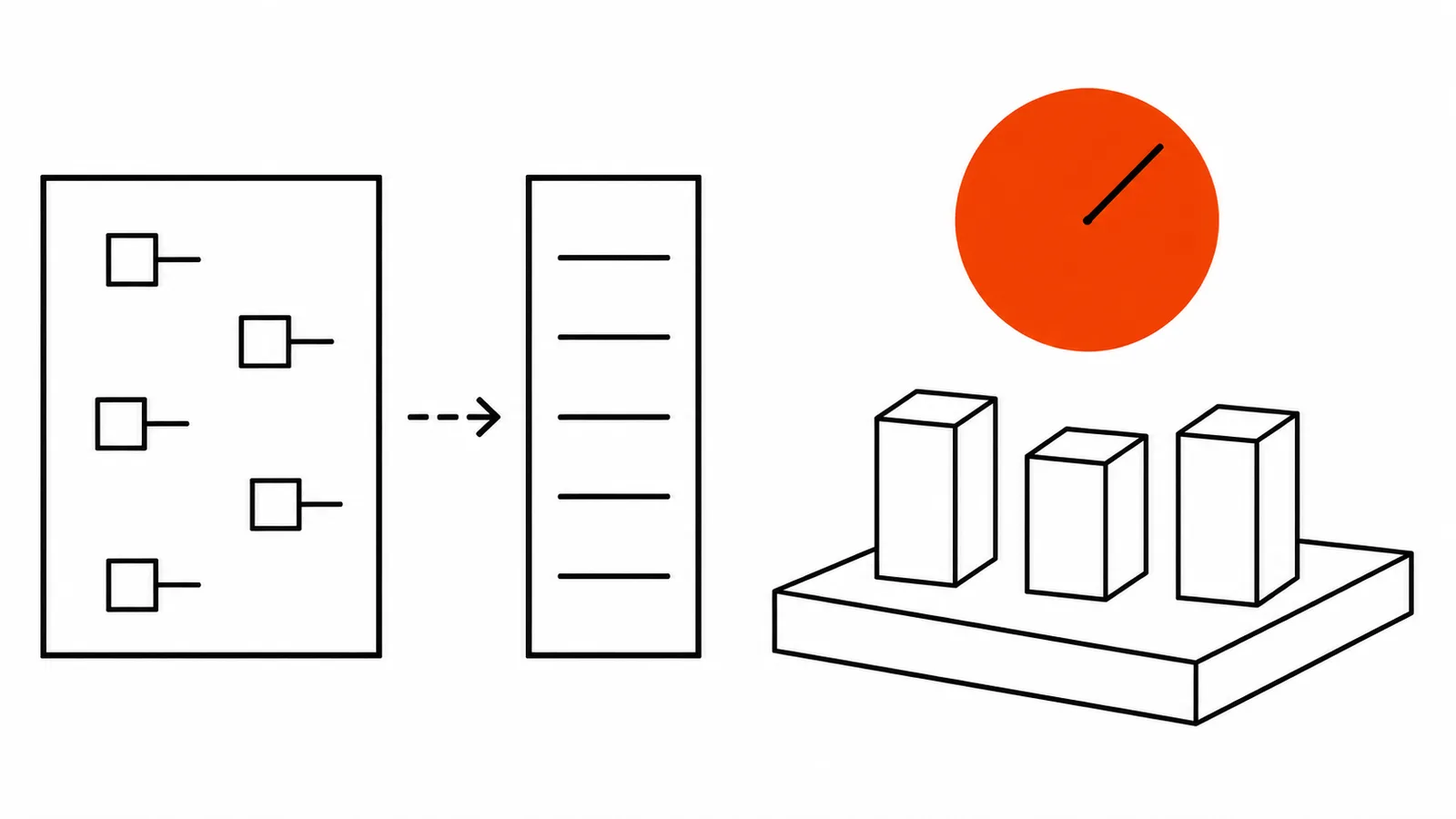
What Epic announced
Unreal Engine 6, Early Access included, ships without Blueprints and without the Actor gameplay framework. Gameplay moves to Verse and a new Scene Graph written in Verse from scratch. UE6 also merges UE5 with the Unreal Editor for Fortnite, so the engine editor and the game editor become one product.
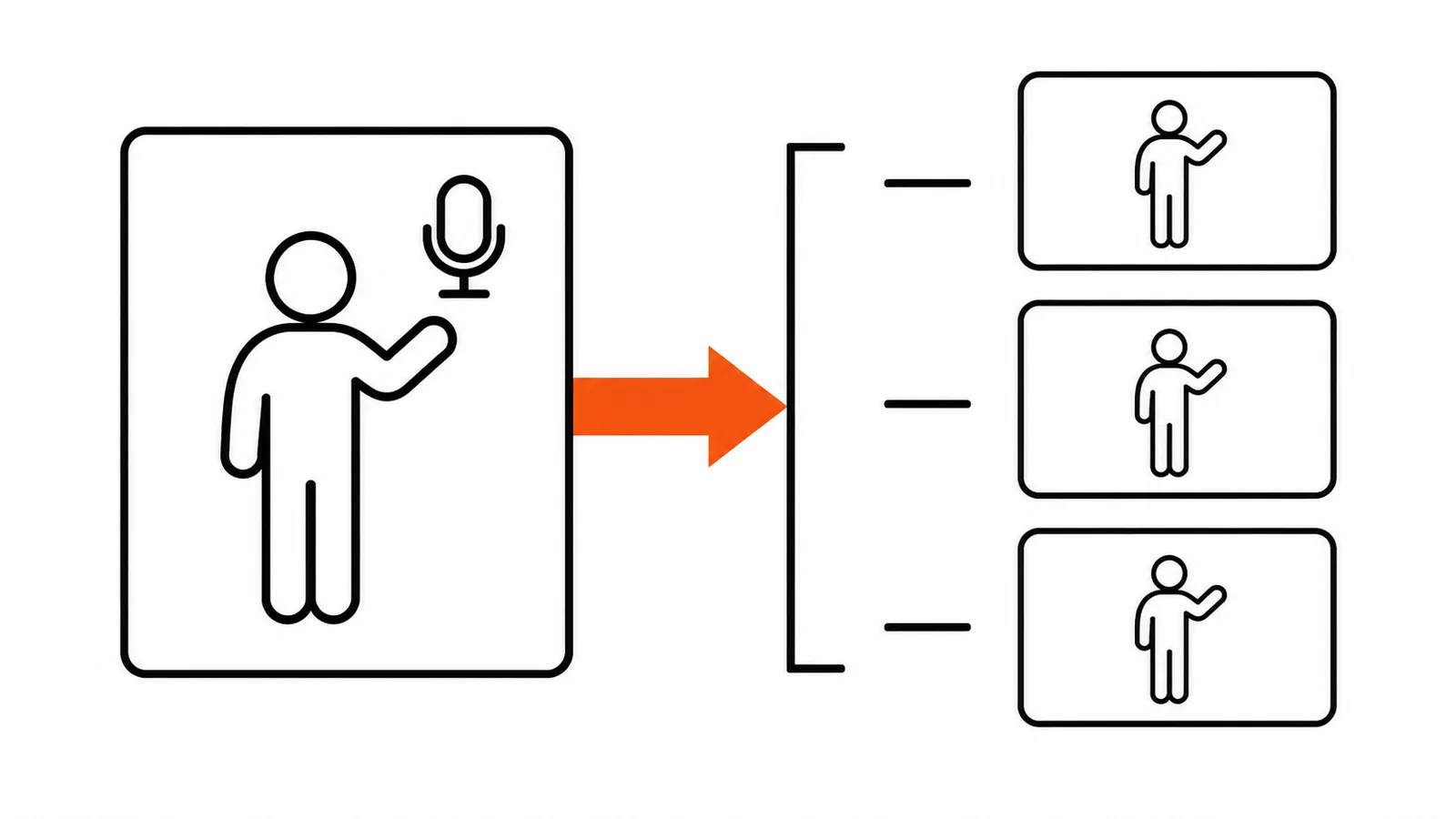
The number worth holding onto is this one. Epic used AI to port more than 20,000 Fortnite Battle Royale blueprints into a working prototype in Verse. Prototype is the operative word, since it is still being checked for performance, memory use and architecture. VP Land ran the breakdown on November 21, and 80.lv published its piece on November 23.
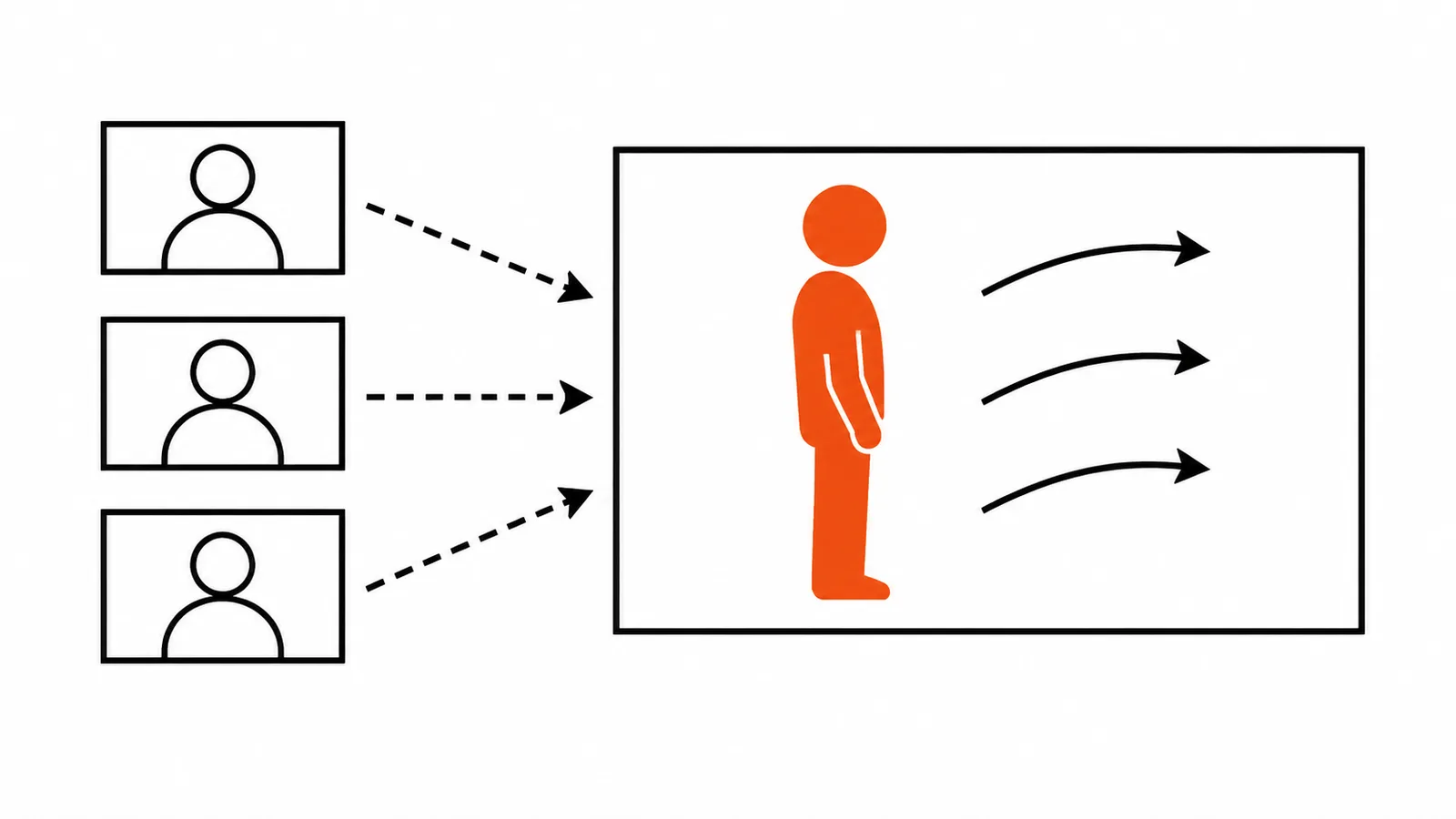
There is one more detail that is easy to skip. Agent tools built for UE6 are landing in UE 5.9 Preview, which means UE5 projects get them before the sixth engine itself arrives. That reshuffles the calendar for teams already building sets.
Why virtual production feels this first
A set built for a commercial is rarely dead geometry. It carries behaviour: the camera runs along a curve, the light switches on a specific beat, a door opens, a material swaps at second two. In UE5 that behaviour is assembled with blueprints, visual nodes on a canvas. Nodes are read by eye and edited by dragging, so someone without programming experience can still adjust the set.
Scene Graph on Verse works differently. Verse is a language, and scene behaviour gets written as text. Text is easy to diff, easy to move and easy to hand to an agent. The entry point shifts accordingly: whoever sits at the machine needs to read code at least well enough to follow what happens where.
Epic previously planned a gentler transition, with Actors and Blueprints coexisting alongside Scene Graph in Early Access and in version 6.0. That plan is gone. Executive vice president Marcus Wasmer frames the change as a consequence of AI progress, saying it makes moving a project from UE5 to UE6 practical and economical, with part of the process potentially fully automatic.
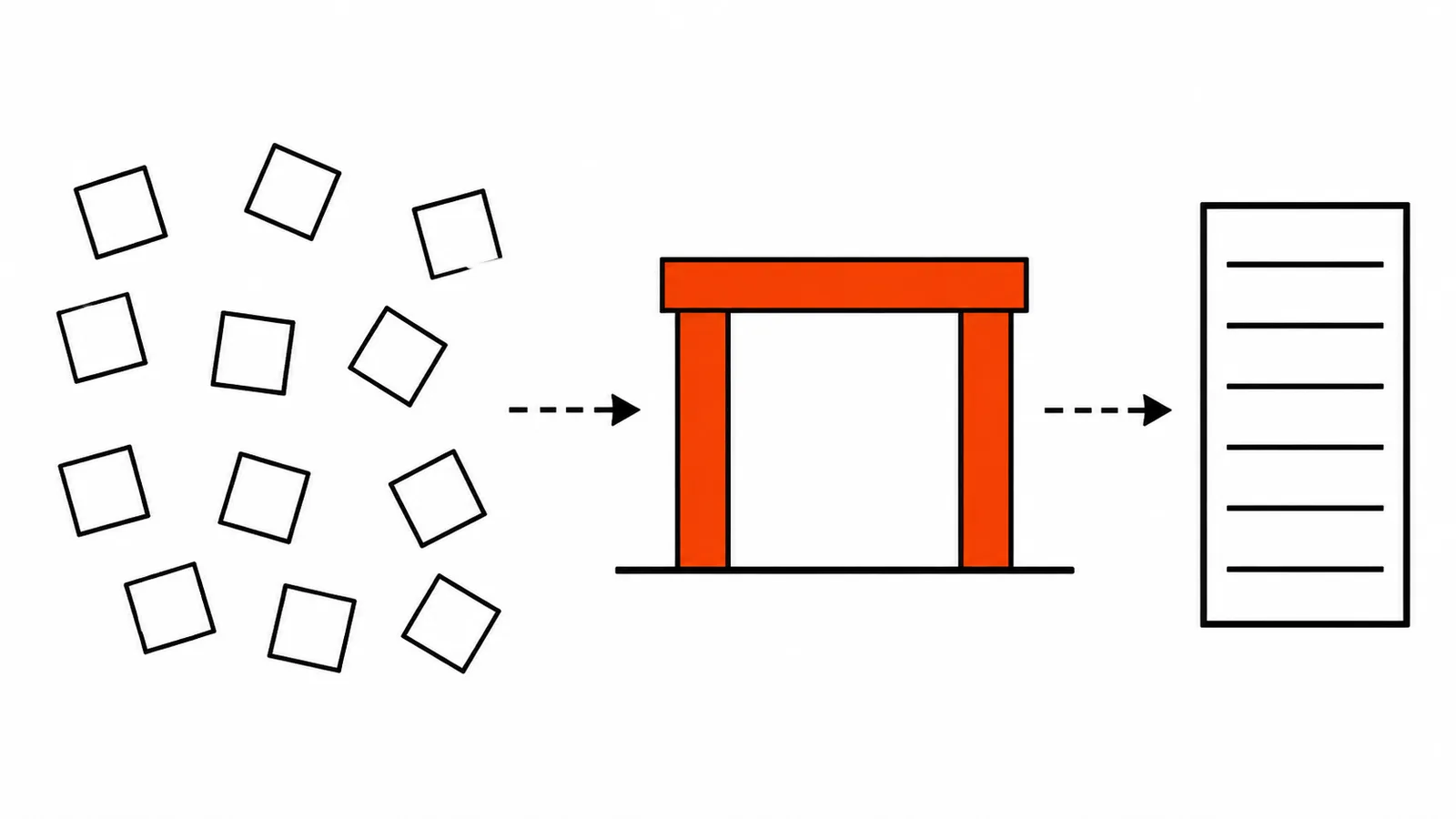
Three numbers holding up the decision
The first one already landed: 20,000 Fortnite blueprints went through AI. The second explains why Epic moved at all. The cost of any AI task is falling roughly 13x year over year, while the complexity of porting a game stays roughly constant. That is Wasmer's figure, and the logic of the bet is visible immediately: at that rate of decline, waiting for a convenient moment costs more than starting the port.
The third number is quieter and more useful. Agent tools for UE6 arrive in UE 5.9 Preview, so UE5 sets get them ahead of the engine. For a studio that means part of the work, reading and rewriting the logic, can start before version six exists.
This is where I part ways with the optimistic reading. A 20,000-blueprint prototype is a strong argument, and it is still being checked for memory and performance. Until that check closes, full automation is a promise. I would not plan a port as a free operation.
3D animation work: what to do with a set on UE5
Here is what I would build into the plan.
First, document the set while it is alive. A list of blueprints, what each one does, where the light-switching logic sits, which node drives the camera. In a year that list will be worth more than the set itself, because nobody enjoys reverse-engineering someone else's canvas.
Second, keep sets portable. Lean on stock engine features and go light on hand-built contraptions. A native node gets ported automatically with high probability, while a custom chain of twenty nodes probably gets rewritten by hand.
Third, treat the port as its own budget line. In animated video work a set rarely serves one project. If a piece ships quarterly in the same location, the port gets paid once for all of them. If the project is a one-off, build it so no port is needed.
Fourth, avoid locking a long-lived set to a single editor version, and keep the project in version control. It sounds dull, and it decides how many days it takes to get the set back in production after the engine changes.
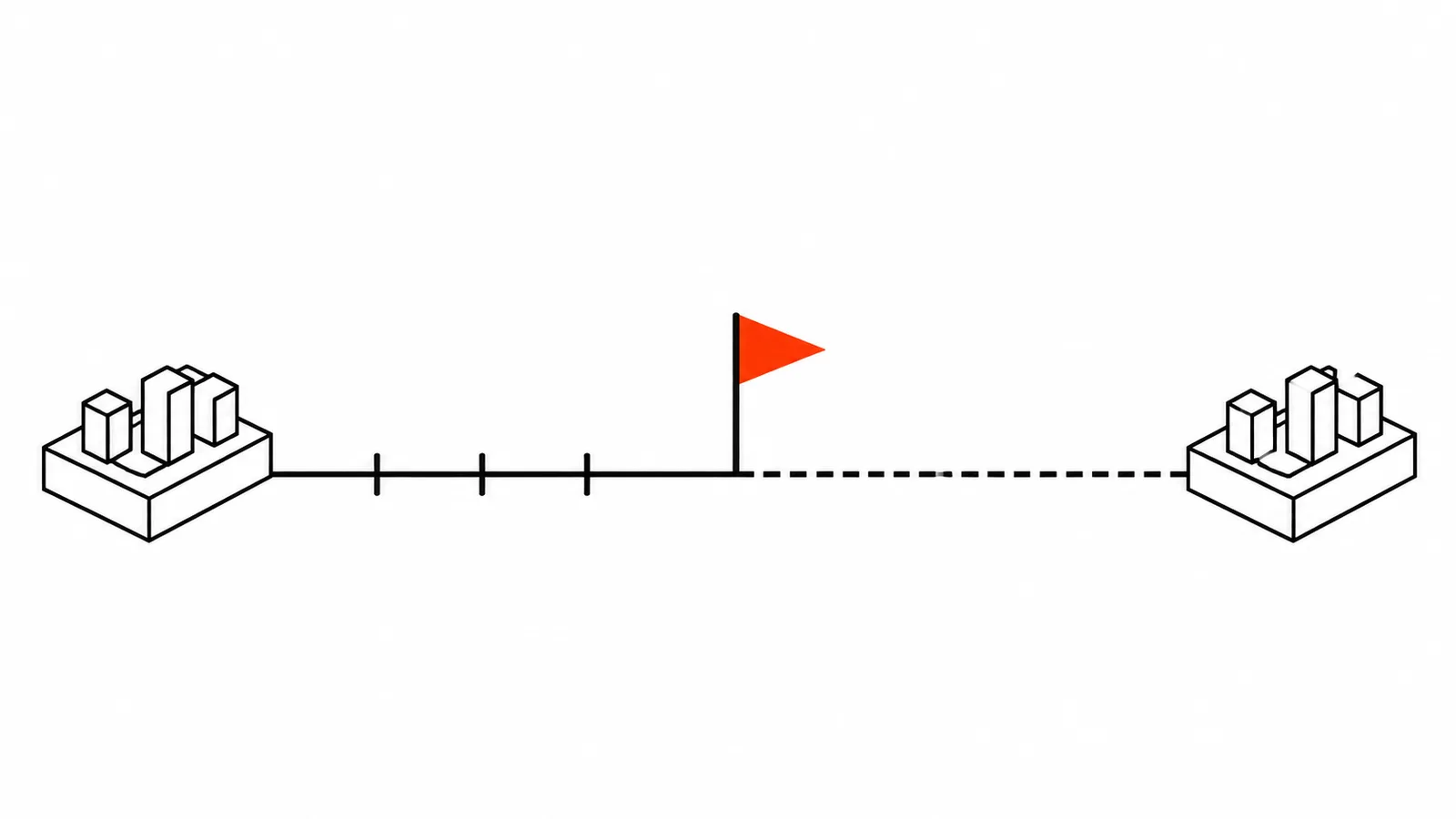
Where the risk sits and where it is just noise
The planning risk is in one place. The lifespan of a 3D set stops being a technical detail and becomes a variable in the estimate. Sets used to be built once and reused for years. Now their fate depends on how an automatic port performs, and that port has not been proven on a large project.
The second risk is softer. Verse is text, and text is easy for an agent to enter. Some of the revising therefore moves away from the set artist toward someone who reads code. For an AI commercial that changes the cast during assembly, even though the frame on screen looks the same.
The noise starts where the engine change gets framed as the end of visual production. Nothing of the kind: geometry, materials and light stay, and what changes is how behaviour gets described. The same shift already ran through editing, where agents inside Premiere and After Effects take over layer and preset chores while the editing decision stays with a person.
A useful comparison sits next door. Snowglobe builds a 3D set before the shoot and holds one world across every shot. The logic rhymes: a set exists as a project with versions and a lifespan. There the question is how many worlds a piece needs, and here it is how long your world survives.
For teams producing AI video, the short version is this. An engine change leaves the 3D set in place and assigns it an expiry date. The cleaner the documentation, the cheaper that date is to push back.