What Picsart opened on November 23
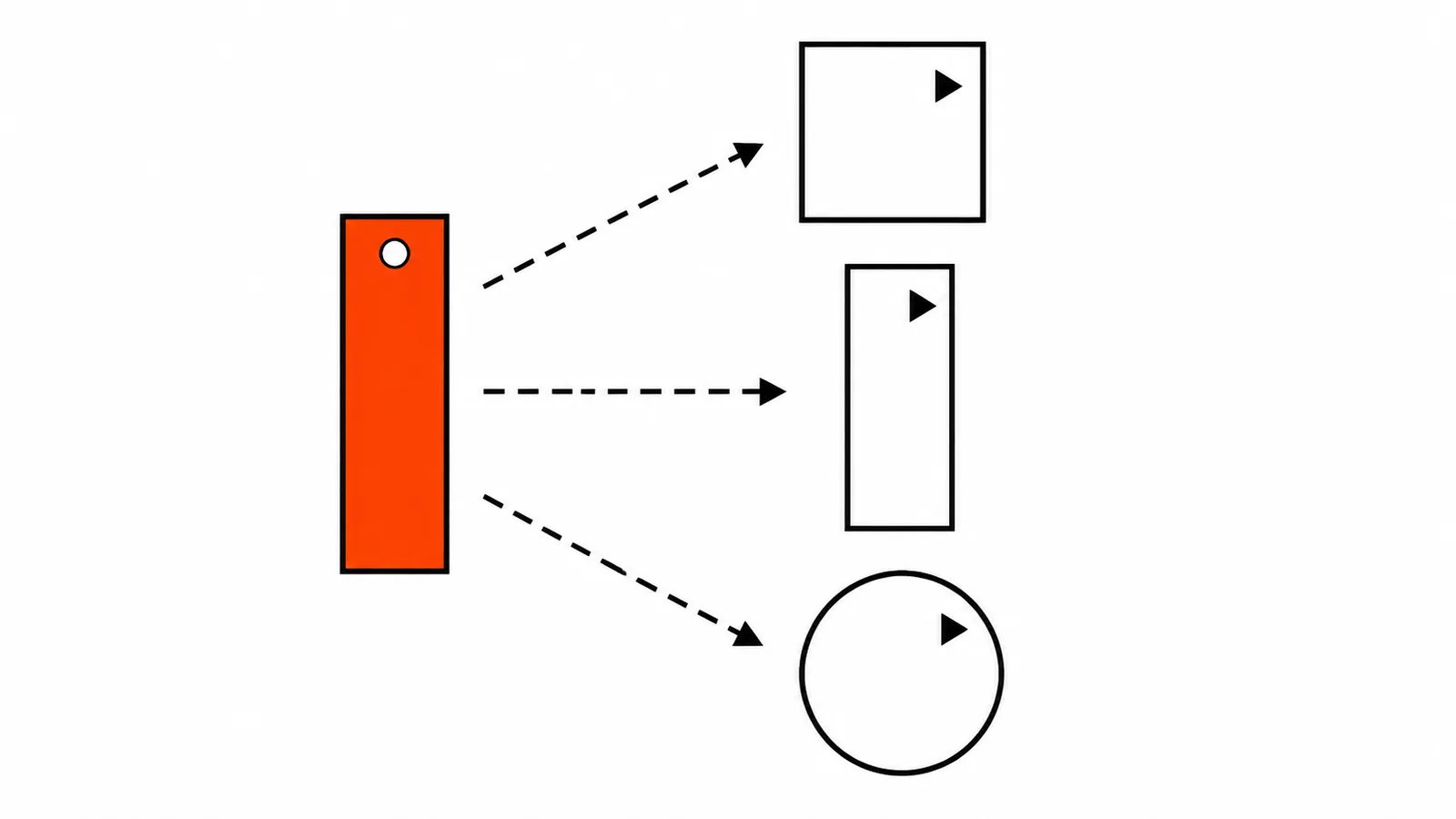
The launch is described on the platform page at picsart.io/api-platform, and SMBtech reported it on November 23. The developer platform holds more than 250 AI models, and video is one of the categories. Access runs over an API, so a clip can be requested from your own code and pipeline without opening the Picsart web editor.
The models used to be reachable through the web editor, and now the same access is sold as an API. A developer gets the models as a service and builds a process on top. The line between a tool for a person and a tool for code keeps getting thinner, and that is the part worth noticing.
A video model over API: what changes in the build
Every model maker already runs its own API. Genie 4 sits in the Gemini API, Kling 4 has its own access, and BytePlus publishes Seedance 2.5 Flash pricing in the open. That is three keys, three invoices and three sets of limits, each with its own paperwork.
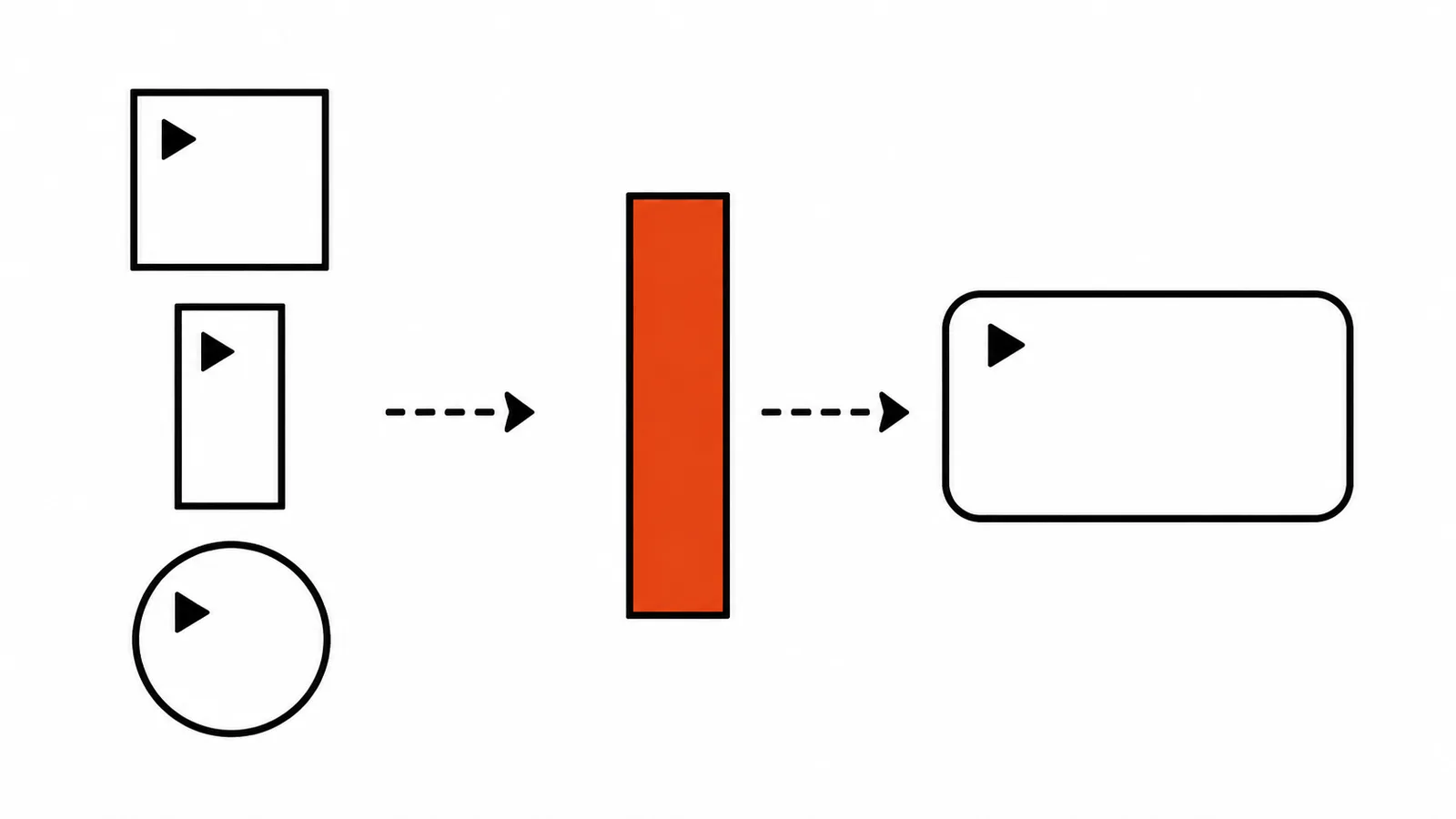
An aggregator pulls that into one place. Picsart puts 250 models behind a single entry point, and switching between them stops being an integration project. For a contractor this saves engineering days: a stack for a client gets assembled from ready models without a separate integration for each model and a separate agreement for each one.
The platform page also promises parallel video generations across several models and early access to new features. That is a description of what the platform intends to offer. There are no published comparison tests, so a single launch is not enough to judge output quality.
Where the middleman risk sits
The models on the platform are the same ones the vendors ship. The terms around them belong to the platform: prices, limits, which version is available and when a promo ends. The free Wan 3.0 window is exactly that case. The platform set the end date, and after November 23 the terms for that model are the platform's call.
The pattern that follows is simple. A vendor ships a new version, and it shows up on the platform later. Or the vendor changes a price, and the middleman reprices on its own schedule. In a project where the model version is written into the contract, that layer becomes a source of uncertainty: what was predictable with the vendor now depends on someone else's calendar.
There is a second side to it. A direct vendor integration is work you own: keys, billing, error handling and an update every time something changes. When the job is a stream of small runs across different models, that work eats the saving that one platform is supposed to bring.
Wan 3.0 is free until November 23
Picsart tied the promo to the platform launch, and Wan 3.0 is free there until November 23. What the model does and how to configure it has its own piece. The detail that matters here is different: a short free window shows who controls the price. A day later the same model can be repriced by one party, and the developer finds out from the invoice.
What it changes for a buyer
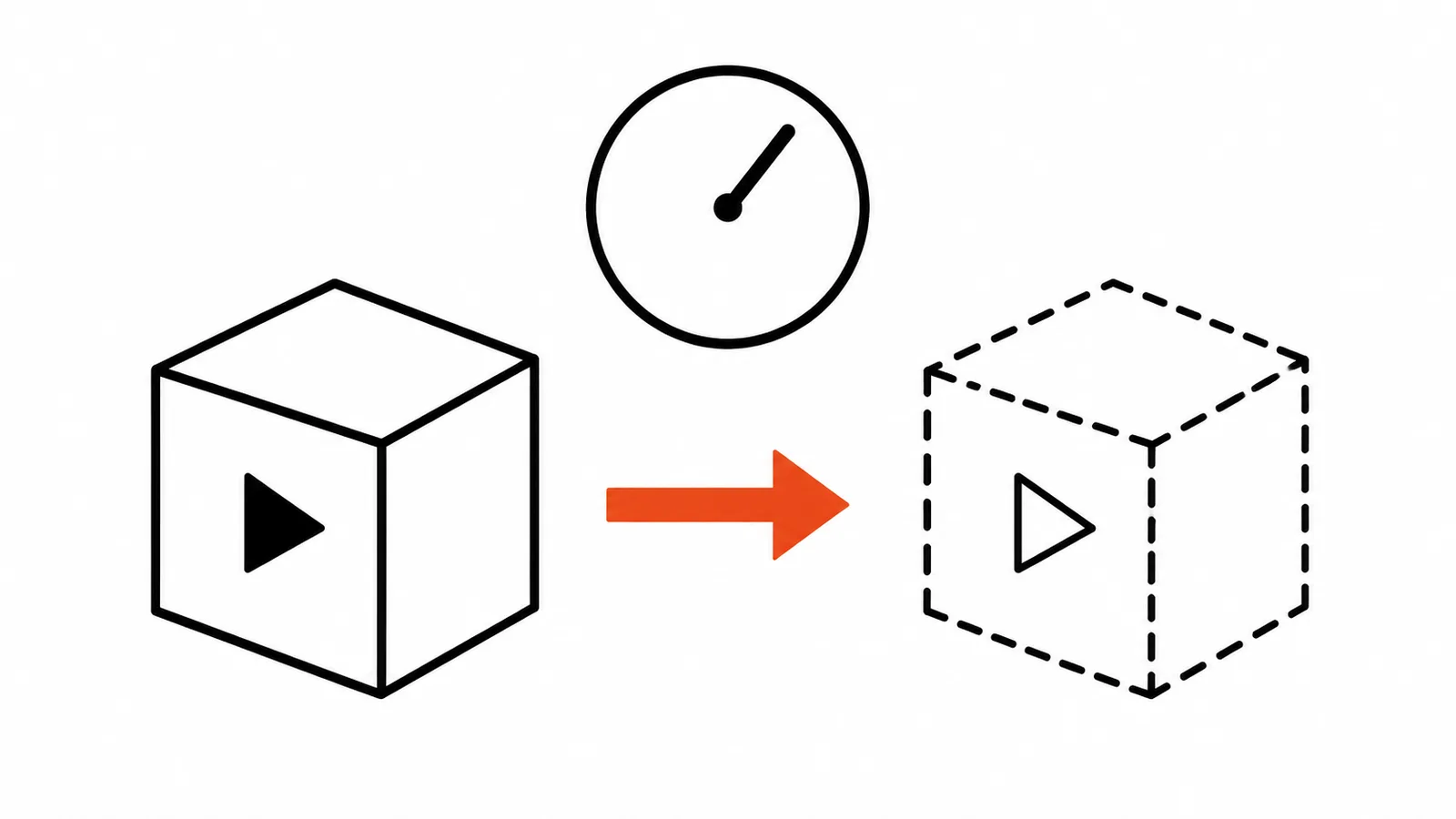
My practical read is this. For a stream of similar jobs the platform saves time, since holding one integration is easier than holding several. For a fixed-scope project on a fixed model, a direct vendor line is more predictable, because the terms change less often and the vendor is the one who answers for them.
The budget reflects the same split. High-volume vertical output is priced by views, where engineering time barely moves the number, and AI video production runs up to $2.40 per 1000 views. When a job needs an exact model and a check on every transition, that is craft work: handcrafted videos from $190, and the saving on integration disappears next to the cost of the work itself. A one-off vertical ad creative is built for a single campaign, where the same logic holds.
The third case is a channel on a schedule. Running a YouTube channel from $200 per month needs a steady release rhythm, and platform limits turn into missed dates inside that rhythm. Where the calendar is fixed, predictable access matters more than a long model list.